
Booking is simple. Send your name, number and a short message, and someone will get back to you about Wood Stove Repair New Westminster
A hazy room after the last fire, a campfire smell on a warm afternoon, a brick that wobbles when you touch it: small things like these send many homeowners in New Westminster looking for “wood stove repair”. Sometimes they mean nothing serious, and sometimes they are an early warning. The answers on this page explain wood-burning stove repair clearly, so you can tell the difference and decide what your wood stove needs.

That depends on where the crack is and what the stove is made of. Cracked firebricks, glass and baffles are routine replacements. A crack in a replaceable cast iron panel may be fixable by swapping the panel, if parts are still available. A crack through the main body of a steel or cast iron stove is more serious, since it can leak smoke and air, and repair is often not practical. A technician can assess the crack and tell you honestly whether repair or replacement makes more sense. If you searched for “wood stove repair” after spotting a crack, stop using the stove until it is checked.
The main warning signs are smoke escaping into the room, a fire that is hard to control and visible damage to the stove. Watch for smoke leaking around the door or glass, a door that closes without a snug feel, glass that blackens within a single fire and a fire that keeps roaring even with the air control turned down. Cracked or crumbling firebricks, a warped baffle near the top of the firebox and rusted or loose stovepipe sections are also red flags. Because a leaking stove can release carbon monoxide, keep alarms working and stop using the stove until it is checked.
The old rope gasket is pulled out of its channel, and the channel is scraped clean of old cement. A new fiberglass rope of the correct diameter and density is set into a bead of high-temperature gasket cement, pressed into place and trimmed so the ends meet without overlapping. The door is then closed to seat the rope, and the stove is run with small fires at first while the cement cures. A simple test afterward is closing the door on a strip of paper: it should be hard to pull out at several points around the door.
The most common wood stove repairs involve parts designed to wear: door and glass gaskets, firebricks, baffles, glass and stovepipe. Gaskets are fiberglass rope seals that flatten over time and let air leak in, so they are replaced in the correct size with a high-heat cement. Cracked firebricks are swapped out, warped baffles or burn tubes are replaced, and broken glass is replaced with heat-rated ceramic glass, never ordinary window glass. Rusted or loose stovepipe is renewed and secured. Some stoves also have a catalytic combustor that wears out with use and needs replacing to keep burning cleanly.
Cleaning a wood stove covers the stove itself, the stovepipe that connects it to the chimney and the chimney flue. The technician typically removes the ash, lifts or takes out the baffle near the top of the firebox so the deposits behind it can be cleared, and brushes or removes the stovepipe sections, where creosote often collects at elbows. The chimney is then brushed from the top or bottom while a vacuum contains the dust. Door and glass gaskets get a quick check, and the glass is cleaned. Everything is reassembled with the joints snug before the next fire.

There is no need to clean the fireplace or stove before the visit, although clearing out a deep pile of completely cold ash is helpful. Technicians empty the firebox as part of the job and can learn something from what is there, such as how much creosote is falling or whether bricks are flaking. What matters most is that the ashes are cold, which can take several days after the last fire, since buried embers stay hot far longer than they look. Do take out unburned logs, kindling and decorations so the firebox is easy to reach.
It depends on the chimney, and the decision is made on the day. Plenty of flues are swept from the firebox upward with rods, which keeps us off delicate roofing. We still like to see the top, because the cap, the crown and the last few feet of flue are where weather and animals cause trouble. On steep or slippery roofs, we may set a ladder at the eave and use a camera instead of walking the surface. Rain, ice and strong wind mean the roof portion waits for a better day. Either way, you should hear what the top looks like, not just the bottom.
Everyday upkeep is a homeowner job, but sweeping and inspecting the chimney are better left to a professional. Safe tasks include removing cold ashes, cleaning glass doors with a product made for fireplace or stove glass, keeping the hearth area clear, checking that the damper opens and closes and testing smoke and carbon monoxide alarms. Brush kits are sold, but they cannot tell you whether the liner is cracked, the smoke chamber is coated or the cap is damaged, and climbing onto a roof brings its own risk. A professional visit includes a look at the parts you cannot see.
Evidence is how you tell: a repair that is truly needed can be shown in photos or footage and explained in plain words. We never mind being the second opinion, and we are happy when homeowners get one on our own quotes. A solid quote breaks the job into steps, lists materials and says what happens if more damage turns up once work begins. When a recommendation feels like a lot, ask what would happen if you waited a season. A straight answer to that question, with the risks spelled out, is one of the clearest signs of a trustworthy quote.

Our technicians work in homes across New Westminster and the surrounding area. When you reach out, we confirm a convenient arrival window, explain what the visit includes and answer any last questions before anyone arrives. Pick a time that suits you and we will take it from there.
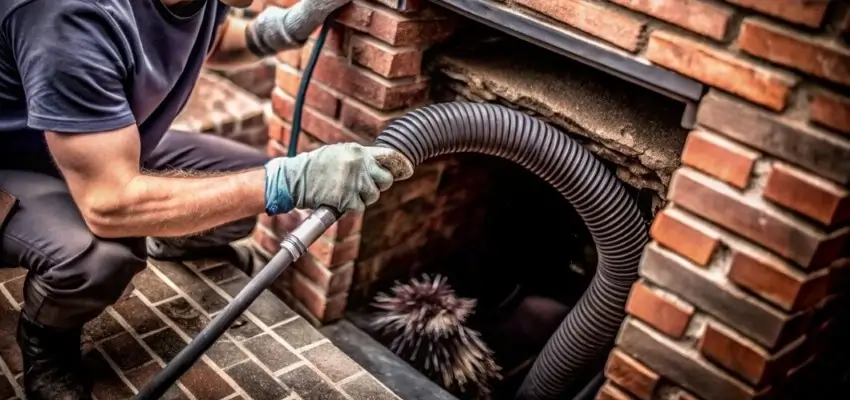
Less smoky smell, steadier flames: Chimney Cleaning around New Westminster
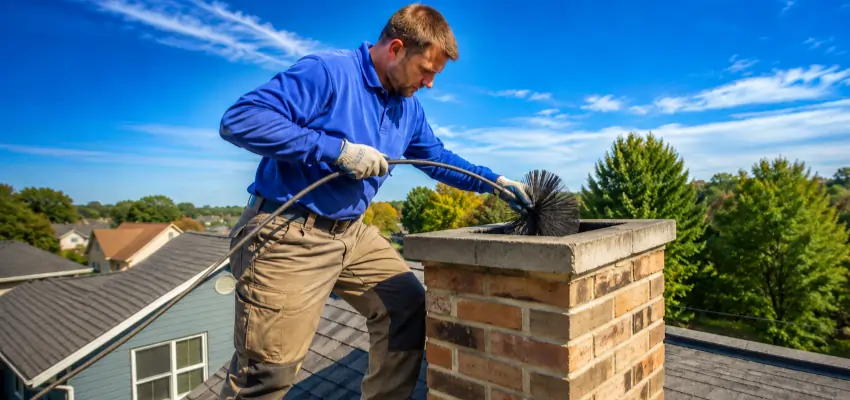
Your New Westminster fireplace, swept and checked: Chimney Sweep
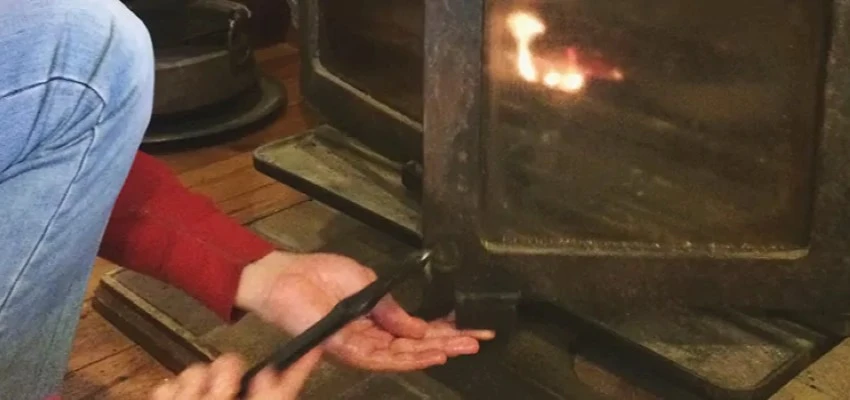
Swept and checked: Chimney Sweep Services in New Westminster
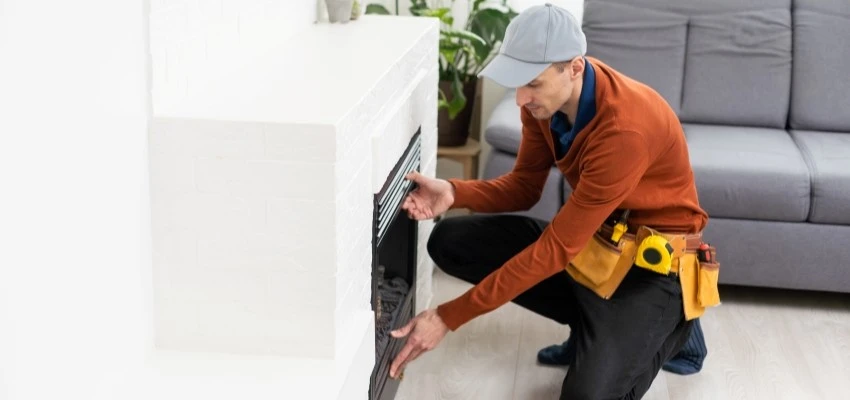
Wood units, stoves and inserts: Fireplace Experts serving New Westminster
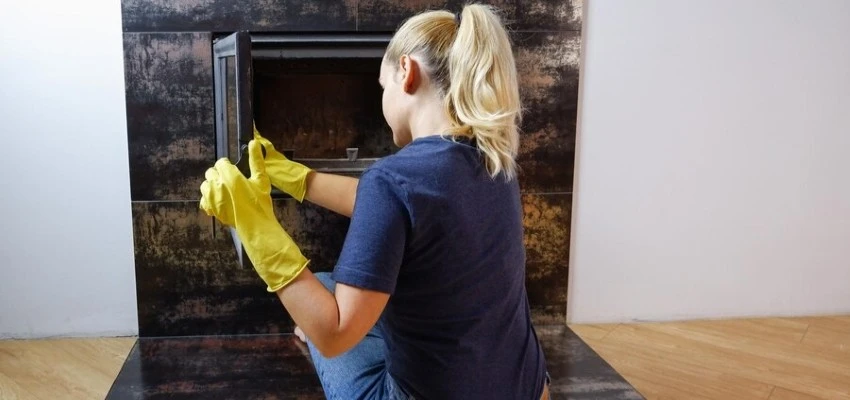
Fireplace smell at startup? Gas Fireplace Cleaning in New Westminster
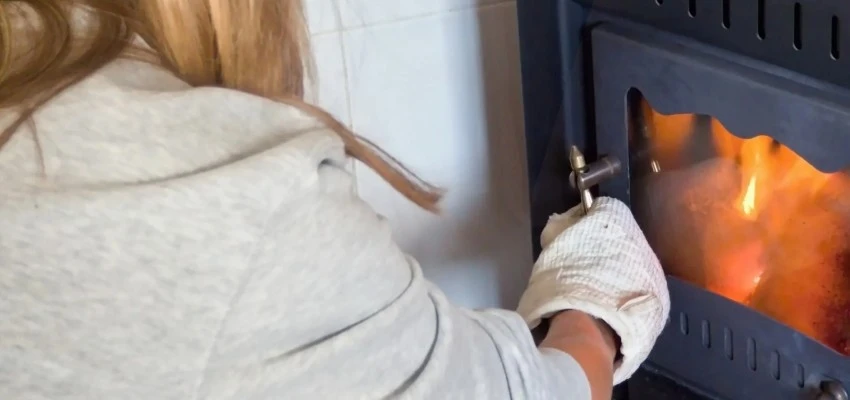
Slow to light? Gas Fireplace Maintenance near New Westminster

