
Booking is simple. Send your name, number and a short message, and someone will get back to you about Wood Stove Cleaning New Westminster
Before the next fire, it helps to know what is happening above the flames. Every load of wood leaves a little residue in the chimney, and every season of heating and cooling tests the mortar, metal and seals that keep smoke where it belongs. People in New Westminster who look up “wood stove cleaning” usually want to know whether their own wood stove needs attention. The answers on this page explain wood stove sweeping plainly, without scare tactics.

A wood-burning fireplace or stove needs regular care because every fire leaves residue behind, and that residue builds up where you cannot see it. Smoke cools as it rises and coats the flue with soot and creosote, which narrows the passage and can catch fire. Heat also slowly wears down mortar, firebrick, door seals and metal parts. Left alone for years, those small changes add up to poor drafts, smoky rooms and costly repairs. A yearly check, plus a sweep when buildup calls for it, keeps the fire drawing well and catches problems while they are still minor. Working smoke and carbon monoxide alarms complete the picture.
Most warning signs trace back to air leaks or heat damage, and those are what we look for first. A stove controls its fire by controlling air. When the door gasket flattens, the glass rope loosens or a seam opens up, extra air sneaks in, the fire runs hotter than intended and parts start to warp. A smoke smell, sooty streaks around the door and a stovepipe that glows or discolors are other clues. We also look for gaps between firebricks, which let heat reach the metal shell behind them. Caught early, these are routine fixes; left alone, they turn into bigger jobs.
A smoky odor is handled by removing the creosote and soot that cause it, then stopping air from carrying what remains into the room. A thorough sweep of the flue and firebox is the first step and takes care of most of the smell. After that, a damper that seals properly, a cap that keeps rain off the deposits and glass doors on an open fireplace all help. Some homeowners leave a tray of baking soda or activated charcoal in the cold firebox during warm months to absorb lingering odor. A sharp or rotten smell points to an animal in the flue instead.
A careful sweep should leave little or no mess, because the soot is contained and vacuumed as the work happens. Expect drop cloths around the hearth, the fireplace opening or stove door sealed off and a vacuum running for much of the visit. A little fine dust can still escape when the damper is opened or stovepipe comes apart, so clear the mantel and move rugs and furniture back a few feet. If you have light carpet or upholstery nearby, mention it when booking. A good crew leaves the hearth cleaner than they found it.
Usually not. The stove normally stays where it is while the chimney is cleaned through its connection, and only the pipe or internal parts are handled. Moving a heavy stove risks scratching the floor, cracking the hearth pad and loosening joints, so technicians avoid it unless the layout leaves no other way, as with some rear-vented stoves tucked into tight alcoves. In those cases the stove is eased forward on protective pads, then set back, reconnected and checked for level and clearance. Mention your stove’s venting setup when booking, so the visit is planned properly.

Start with a cold firebox and clear floor space; those two things make the biggest difference on the day. Ashes need to be cool enough to handle safely, so skip the fire the evening before, and we need room in front of the hearth to lay down covers and set up a vacuum. Fragile pieces on the mantel are better moved by you than by us. Outside, we look for a level spot for a ladder and an easy route to it. A dog that dislikes visitors, an alarm code or a sticky gate are all worth mentioning ahead of time.
You can keep things tidy between visits, but the flue is where do-it-yourself efforts fall short. We regularly find chimneys that were brushed from below with a kit that missed the smoke shelf, pushed debris onto a closed damper or knocked soot loose without anyone noticing a cracked tile. Any work on the liner or masonry belongs with a professional. A sensible split is simple: ashes, glass, alarms and firewood are yours; sweeping, inspection and anything structural go to a technician. That division keeps you safe and puts experienced eyes on the parts that matter.
Brisk, well-fed fires instead of long, smoky smolders are what keep a stove in good shape between cleanings. Low, choked burns all night are the main source of the heavy creosote we remove. Owners who watch a stove thermometer and stay in the recommended range, reload onto a good bed of coals and open the air for a few minutes after each reload end up with much lighter sweeps. Small checks help too: listening for a whistle at the door, which signals a gasket leak, and looking over the pipe joints now and then. Those habits will not replace cleaning, but they make each visit easier.
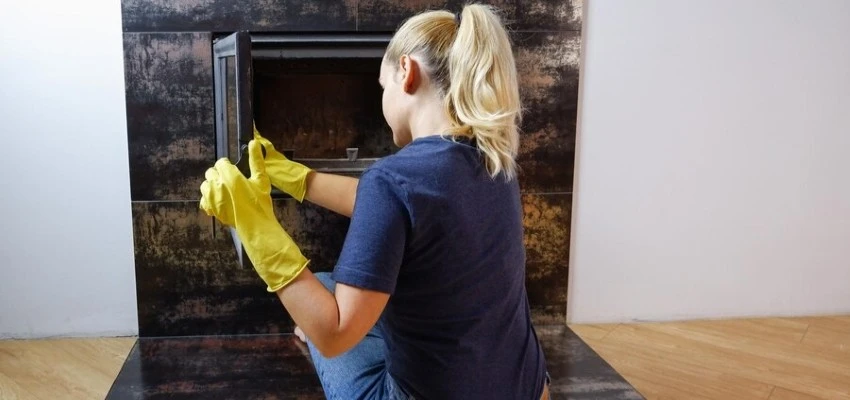
Clean the glass only when the stove is completely cold, using a cleaner made for stove glass or a damp cloth dipped in a little fine wood ash, which works as a gentle polish. Wipe in small circles, then buff with a dry cloth. Avoid abrasive pads, oven cleaners and household glass sprays that are not meant for heat-resistant glass. If the glass blackens quickly after cleaning, the stove is likely running too cool or burning damp wood. Many people who search for “wood stove cleaning” are really after clear glass, and better burning habits keep it that way longer.

The weeks before heavy use are the calmest time to deal with your wood stove. Appointments are easier to find and any repair can be planned without pressure. Book wood stove sweeping in New Westminster while your calendar still has room.
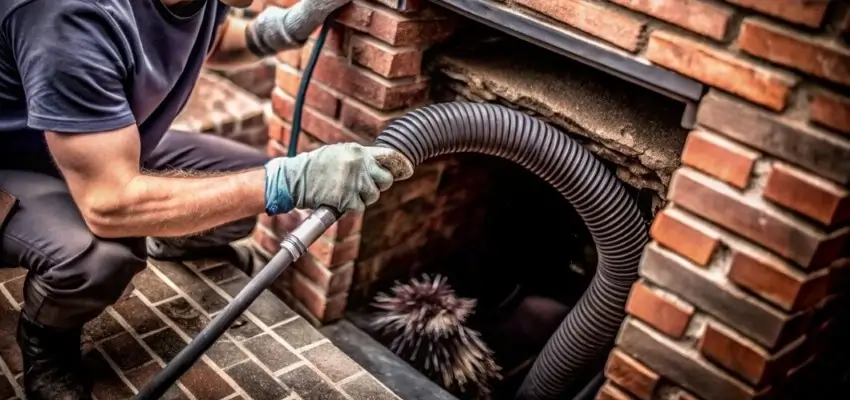
Less smoky smell, steadier flames: Chimney Cleaning around New Westminster
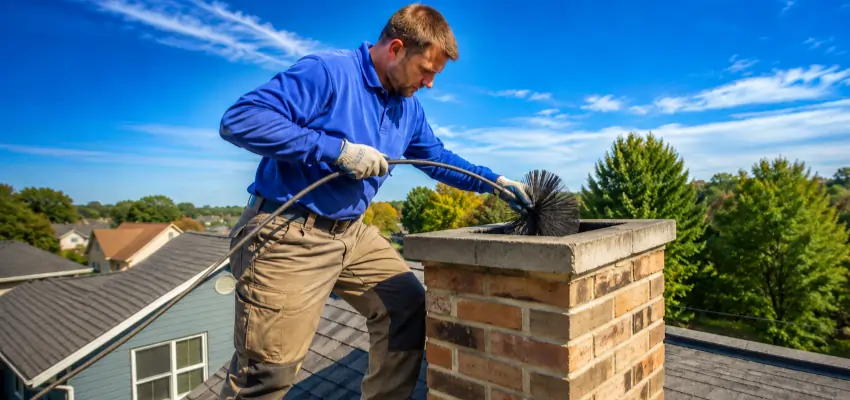
Your New Westminster fireplace, swept and checked: Chimney Sweep
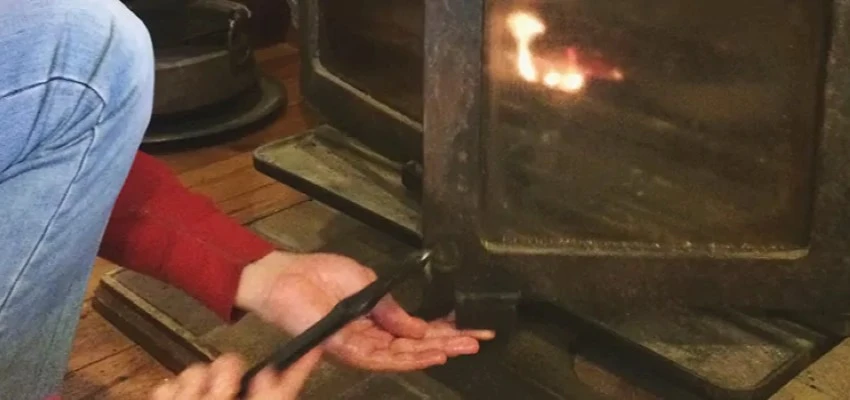
Swept and checked: Chimney Sweep Services in New Westminster
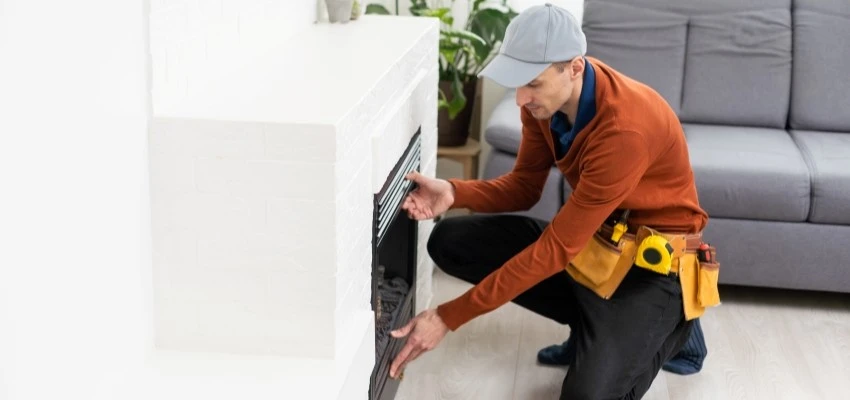
Wood units, stoves and inserts: Fireplace Experts serving New Westminster
Fireplace smell at startup? Gas Fireplace Cleaning in New Westminster
Slow to light? Gas Fireplace Maintenance near New Westminster

