
Quoted before we start
Booking is simple. Send your name, number and a short message, and someone will get back to you about Valor Gas Fireplace Repair New Westminster

Three control families appear on these fireplaces: early standing-pilot systems, the GV60 Plus and GV60 Max remotes, and the newer Valor 10 with its Wi-Fi app. Chimney Sweep New Westminster sends a licensed gas fitter for pilot, valve, burner, and venting work on all of them. Logs, glass, liners, and fronts belong to the appliance page.
Early units used a standing pilot with a Maxitrol-style receiver and handset. Those original parts have since been superseded by the GV60 Plus kit, which replaces both pieces at once. One side effect surprises owners: an older unit converted to the GV60 Plus gains an automatic pilot shutdown after seven days without use, so the pilot is often out when the first cold evening arrives.
Current fireplaces ship with the GV60 Plus or the GV60 Max, and the newest can run the Valor 10 handset and app. Variants exist for specific needs, including a one-hour shutdown version and a non-thermostatic version, along with a separate remote ignition system on some models. Matching the handset, the receiver, and the valve to the generation on the plate is the first step of every gas visit.

No household power is needed to run these fireplaces, which is why so many owners keep one as backup heat. The receiver, powered by its own cells, drives a motor on the valve that raises or lowers the flame, and the handset doubles as a room thermostat. In thermostatic mode it trims the flame as the room nears its setting rather than switching the fire off and on, which keeps radiant output steady. Owners who prefer a fixed flame can switch the handset to manual mode, and many of our calls end with nothing more than that change.
That design moves the most common faults away from the valve. Weak receiver batteries can leave the motor too sluggish to open the valve fully. A handset in thermostatic mode can make a healthy fire look as though it is fading, and a lost link between handset and receiver can stop everything at once. We check all three before suspecting the valve body itself, then confirm the motor travels smoothly from low to high with fresh cells installed.

These five complaints account for most gas-side calls on the brand around New Westminster, each pointing to a likely part.
Flame shrinks as the evening goes on - the handset in thermostatic mode trimming the fire once the set temperature is near, exactly as designed.
Remote beeps but the flame barely moves - tired receiver cells unable to drive the valve motor through its range.
Pilot will not relight after summer - dust in the pilot assembly after the automatic shutdown, cleared before a fresh ignition.
Insert flame lazy and sooting the glass - an exhaust tube slipped off the insert, or a bent cap at the chimney top.
App connects but the fire ignores it - the Valor 10 receiver has lost its pairing with the handset.
A smell of gas with the fire off calls for a different response: close the valve at the appliance, leave lights and switches untouched, and phone from outside.
The inserts in this range, the G3, G3.5, G4, Retrofire, and Portrait, sit in old masonry fireplaces and exhaust through two flexible tubes running up the former chimney. One tube carries combustion products out and the other draws outside air down to the burner. The zero-clearance H5, H6, and linear models use rigid concentric pipe ending at a cap on a wall or roof instead.
Each arrangement has a typical weak point. An insert liner can work loose where it joins the collar, a chimney-top cap can be bent by ice or a falling branch, and a long horizontal run can sag between supports. All three show up in the flame long before anyone spots them outside, so we follow the exhaust from the appliance to the open air during gas fireplace repair. Outdoor-rated units get their burner and pilot area cleared of leaves and insects before ignition is tested. Indoors, a tested CO detector close to the room is sensible; if it sounds, turn the fire off and open windows before calling.
Before you ring, check the model name on the plate, look at which handset sits on your coffee table, and note whether a small pilot flame is visible behind the glass. Those details tell us which receiver, handset, or pilot parts to carry. Each fitter on our team is gas-licensed, and the work is covered by Chimney Sweep New Westminster's insurance. The visit ends with fresh cells in the receiver, pressures recorded at the valve, and a short note on anything we would watch before next season.
Ring (778) 488-0837 to arrange gas fireplace repair, or tell us about your model through the contact us form. Chimney Sweep New Westminster confirms a time and the parts we expect to need.
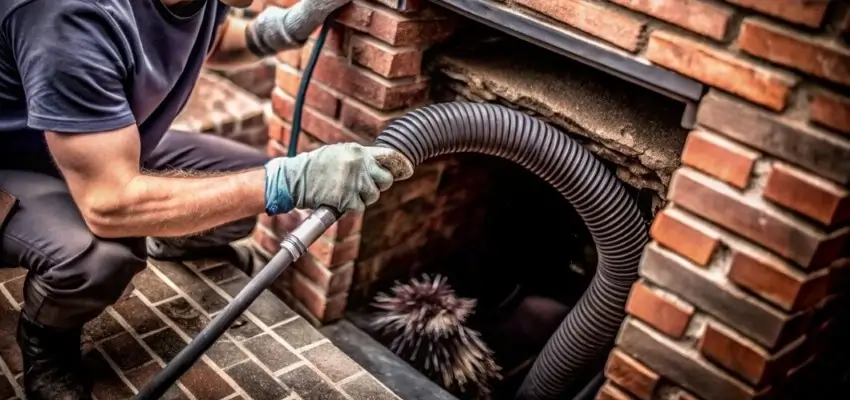
Less smoky smell, steadier flames: Chimney Cleaning around New Westminster
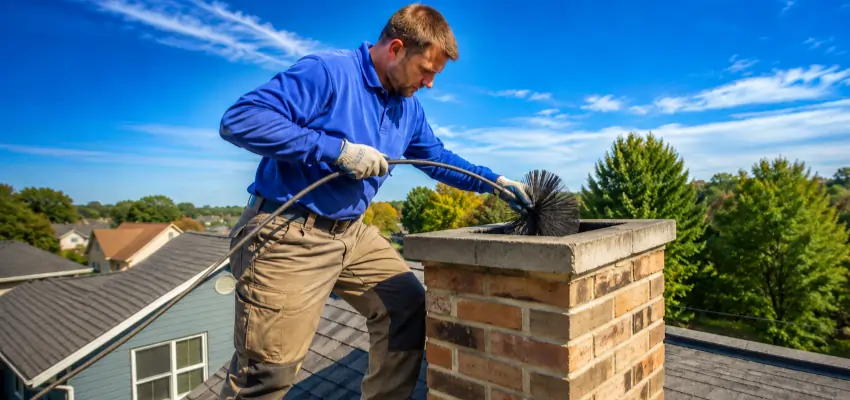
Your New Westminster fireplace, swept and checked: Chimney Sweep
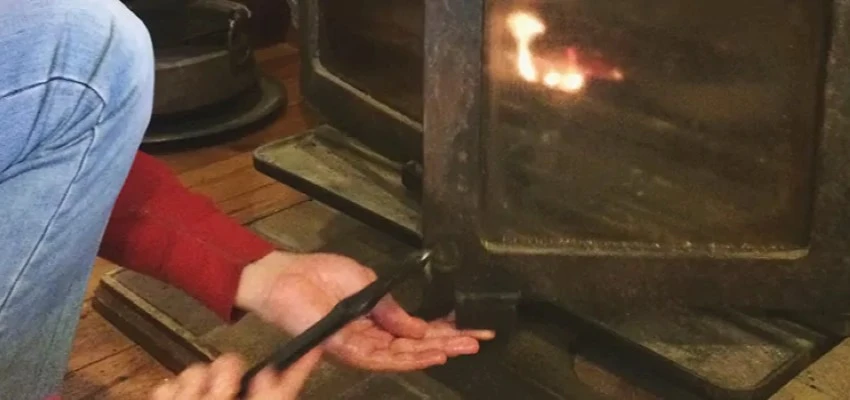
Swept and checked: Chimney Sweep Services in New Westminster
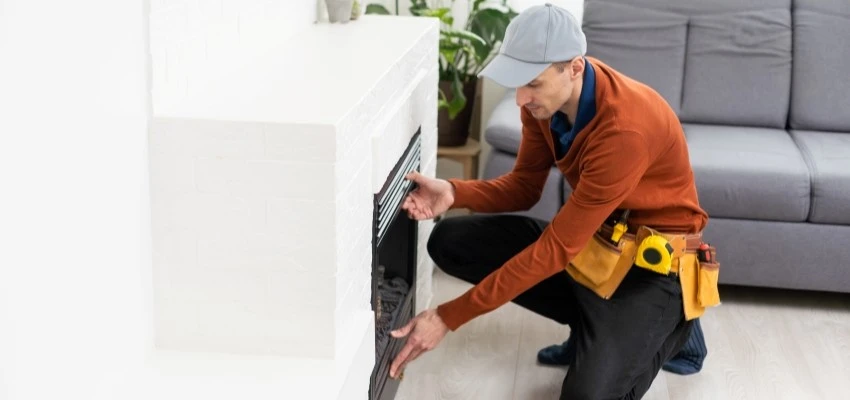
Wood units, stoves and inserts: Fireplace Experts serving New Westminster
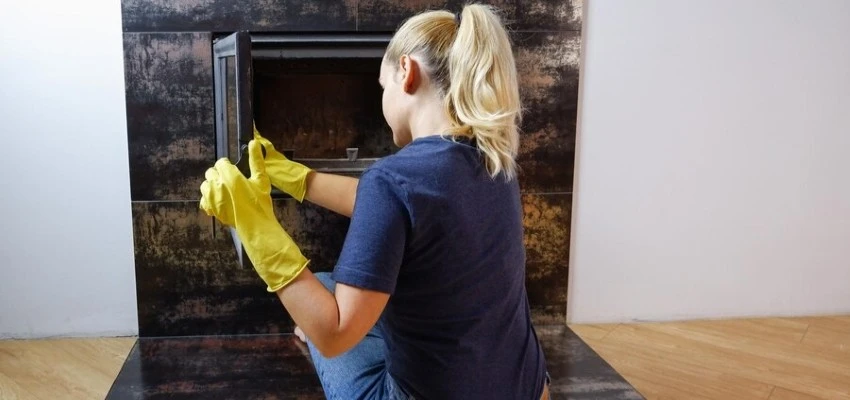
Fireplace smell at startup? Gas Fireplace Cleaning in New Westminster
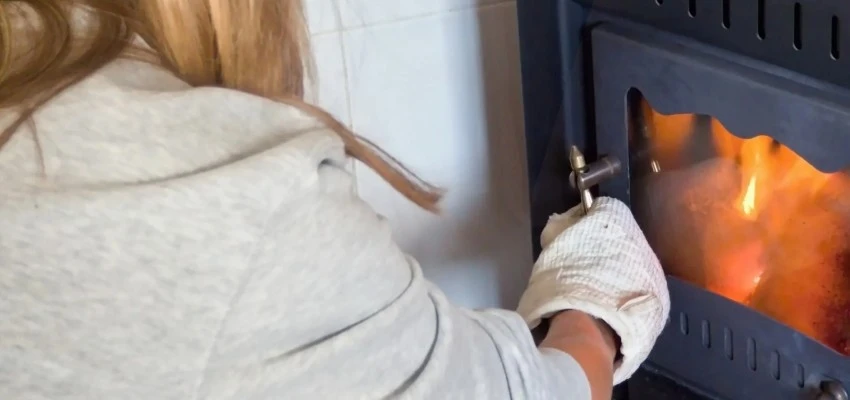
Slow to light? Gas Fireplace Maintenance near New Westminster

