
Surround and hearth repairs made simple
Booking is simple. Send your name, number and a short message, and someone will get back to you about Repairing Cracked Fireplace Tiles New Westminster
A fireplace or wood stove is part heater, part centerpiece and part exhaust system, and each part needs its own kind of attention. Homeowners in New Westminster who search for “repairing cracked fireplace tiles” often start with one problem and discover that the whole picture matters. Here you will find straightforward answers about fireplace tile repair, from the basics of creosote and drafts to choosing who works on your home. Dip into whichever answers match your situation.

Our rule of thumb is to repair what is wearing and replace what is failing. Worn parts are expected after many fires: joints that need repointing, a damper handle that seized, a door rope that no longer seals. Failing parts are another matter. A stove top cracked from overfiring, a prefabricated firebox with burned-through panels and no parts available, or a chimney that needs rebuilding along with the fireplace all push the math toward replacement. Some owners of old masonry fireplaces choose a wood insert instead, which reuses the chimney while giving a tighter, more controllable fire.
Smoke comes into the room when the chimney is not pulling air upward strongly enough, and the cause is usually one of a few things. The damper may be partly closed, the flue may be cold when the fire is lit, or a nest, debris or heavy creosote may be blocking the path. Strong kitchen or bathroom fans and very airtight homes can also pull air down the chimney. Open the damper fully and crack a nearby window when lighting the fire. If smoke keeps spilling, stop using the fireplace, have it checked and make sure your carbon monoxide alarms work.
A chimney fire often announces itself with a loud roaring or rumbling sound, popping and cracking noises, thick smoke and a strong, hot smell, sometimes with flames or sparks shooting from the top. If you notice these, get everyone out of the house and call the fire department from outside. Not every chimney fire is dramatic, though. Slow-burning ones can go unnoticed and leave quieter clues: flaky, puffed-up creosote, a warped damper or cap, cracked flue tiles and debris on the roof or ground. After any suspected chimney fire, have the system inspected before it is used again.
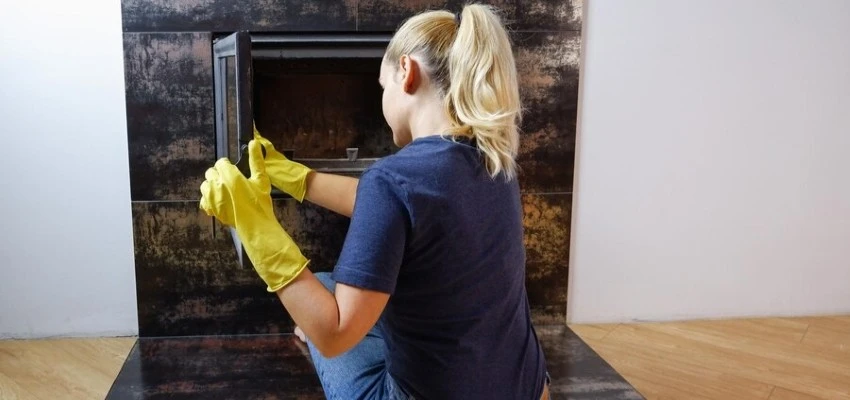
Cracked tiles are replaced one at a time when the base underneath is sound, and that base is the first thing we check. A single crack from a dropped log is a simple swap: we cut out the grout, lift the broken pieces, clean the bed and set a replacement using materials rated for the heat near a fire. Several cracks running in a line usually mean the hearth slab has shifted or the substrate is failing, and swapping tiles alone will not hold. Near the opening we avoid ordinary household tile adhesives, which can break down with heat and leave tiles loose again.
Start by checking the garage, basement or attic, since builders and previous owners often left spare tiles behind. If none turn up, a tile supplier may be able to match the size, color and finish from a sample, especially for common styles. Salvage yards and specialty makers can help with older or handmade tiles. When an exact match is impossible, some homeowners place a contrasting tile in a deliberate pattern, or retile the hearth or surround entirely. If you are researching “repairing cracked fireplace tiles”, keep one broken piece to take shopping.

The repairs wood-burning fireplaces need most often are replacing damaged firebrick, repointing worn mortar joints, fixing or replacing the damper and repairing the chimney cap or crown. Firebrick cracks and joints erode after many fires, which can let heat reach the surrounding structure. Throat dampers rust, warp or seize, and many are replaced with a damper mounted at the top of the chimney. Caps blow off, and crowns crack and let water in. Hearth tiles, glass doors and screens need attention now and then as well. Most of these jobs are fixed in a single visit.
Repair quotes differ mostly because of scope, materials and access. Scope is the big one: replacing a damper handle and rebuilding a back wall are very different jobs. Materials matter because refractory mortar, firebrick and heat-rated tile are not the same as everyday masonry supplies, and matching a decades-old surround takes searching. Access matters when the problem sits high in the chimney or above a steep roof. When two quotes are far apart, one company is often fixing only the visible symptom while the other also fixes the cause. Asking each to explain what they found usually clears it up.
Fix the cause, then treat the hearth more gently. If the tiles cracked because the base was weak or the hearth settled, that needs repair before new tiles go down. Day to day, set logs down rather than dropping them, avoid banging heavy tools against the hearth and keep grates and andirons from scraping across tile. Very large fires that push heat toward the hearth can stress tiles near the opening, so moderate fire sizes help. Grout with gaps or cracks should be resealed with a heat-resistant product before moisture and stress loosen nearby tiles.
Ask for evidence and a written scope, and get a second opinion when the work is large, such as a new liner, major masonry or chimney work, or replacing a stove. The first company should provide photos or camera footage, a plain description of the problem and a list of what will be removed, rebuilt or replaced. A clear quote names the materials, explains how the cause of the damage will be addressed and states what is not included. If two companies disagree, ask each to explain its reasoning; the one that can show you the problem usually deserves more weight.

That is a common place to start. A short conversation usually sorts out what kind of visit makes sense, from a focused check to a full service. Reach Chimney Sweep New Westminster at (778) 488-0837 and we will give you a straight answer for your home in New Westminster.
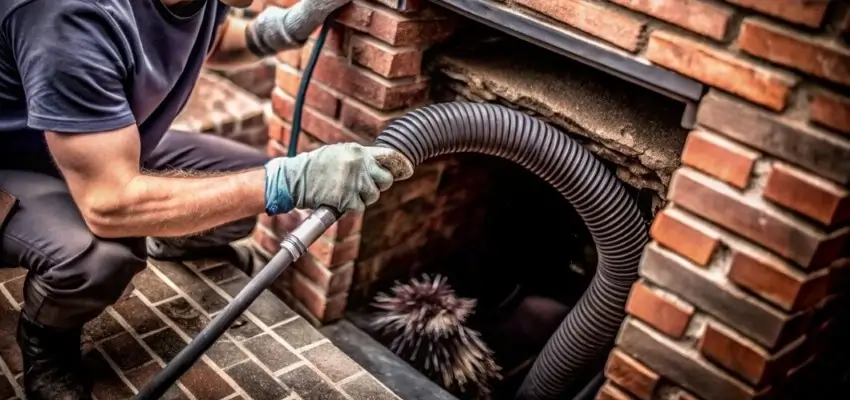
Less smoky smell, steadier flames: Chimney Cleaning around New Westminster
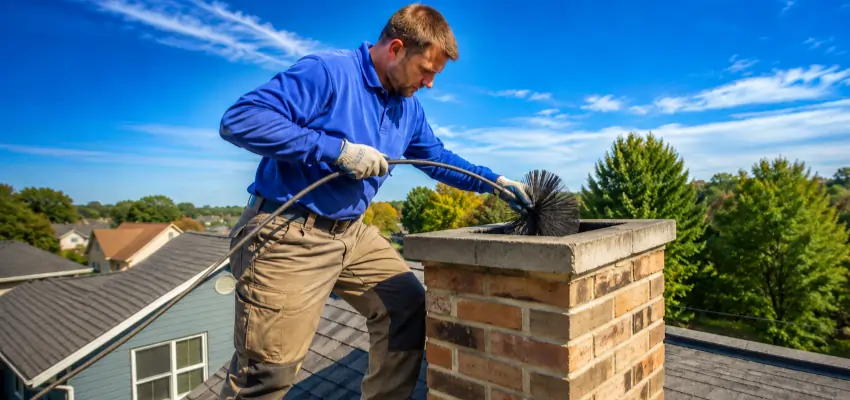
Your New Westminster fireplace, swept and checked: Chimney Sweep
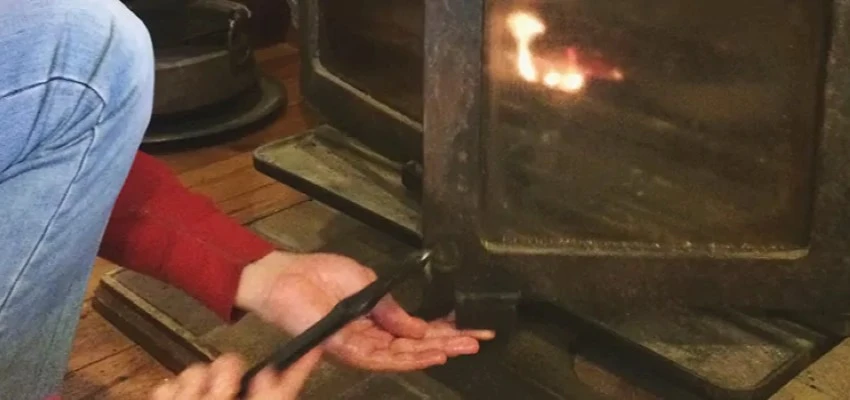
Swept and checked: Chimney Sweep Services in New Westminster
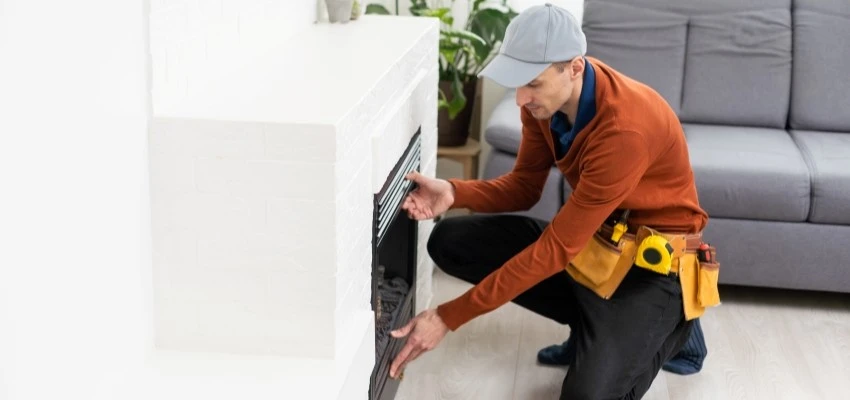
Wood units, stoves and inserts: Fireplace Experts serving New Westminster
Fireplace smell at startup? Gas Fireplace Cleaning in New Westminster
Slow to light? Gas Fireplace Maintenance near New Westminster

