
Booking is simple. Send your name, number and a short message, and someone will get back to you about Regency Fireplace Products New Westminster
Every fireplace has two jobs: keep the fire where it belongs and carry the exhaust safely outdoors. Any sound repair starts by making sure both still happen, and the answers on this page approach Regency fireplace and stove service the same way. They respond to what homeowners around New Westminster ask after looking up “regency fireplace products”, with clear notes on warning signs, the checks you can safely make yourself and the work that belongs to a qualified technician.

Regency’s range covers gas and wood-burning fireplaces, inserts and stoves, so the answer depends on your home. People searching for “regency fireplace products” often have one of these types in mind without knowing which. The quickest way to tell is the rating label and a look inside: a burner with logs or stones means gas, while firebricks and an air control mean wood. Knowing the type matters for service, because gas units need ignition and venting checks and wood units need seals, baffles and chimney care. Chimney Sweep New Westminster services both as an independent company.
Often, yes, especially when the body of the unit is sound and parts are still available. Worn gaskets, a tired thermocouple, a cracked firebrick or a noisy blower are routine repairs that can give an older fireplace many more seasons. Replacement deserves a conversation when the firebox is rusted through or cracked, when key parts such as the gas valve or ignition system are no longer made, or when the unit has been damaged by water or overheating. Ask the technician to explain both paths in plain terms, including how long each is likely to last, before you decide.
Cloudy glass can be harmless or a clue, depending on its color. The chalky white film we see on gas fireplaces builds up gradually and mostly affects appearance, though left for years it can bake on for good. Black soot is the one we pay attention to, because carbon forms when the flame is not getting the air or gas mix it needs. That sends us to the burner ports, the log or media layout and the vent. On wood stoves, dark glass after every fire usually points to low air settings or firewood that has not dried long enough.
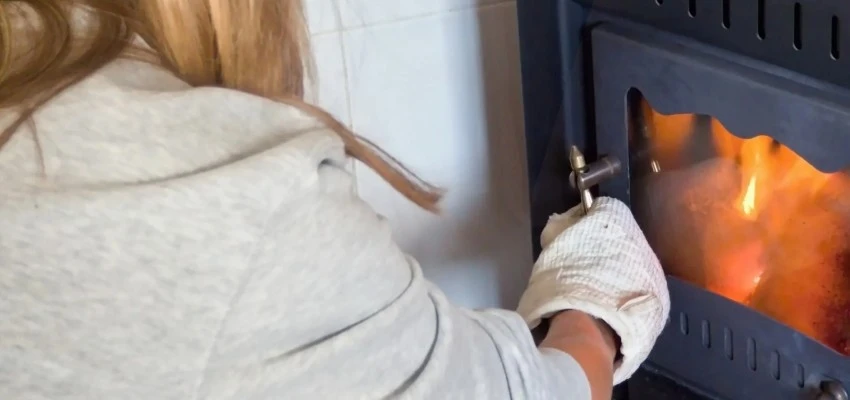
Smoke in the room comes from one of two things: a leak or weak draft. To find a leak, we close the door on a strip of paper at several points; if it slides out easily, the gasket is no longer sealing. We also look at the glass gasket and the seams where plates meet. For draft, we check the flue for creosote or a blocked cap, look at how the stovepipe is routed and ask how fires are started. A cold chimney, a tight house with exhaust fans running and damp wood can each make a perfectly good stove smoke.
Make sure the rating label is still attached and readable, because without it the model, the approved venting and the right parts are hard to confirm. Then inspect the unit itself for cracks in the firebox or glass, a warped baffle, crumbling firebricks, missing air tubes or a door that no longer shuts tight. A gas unit should come with its burner, logs or media and controls complete. Ask whether the manual is included and whether parts are still listed for that model. If you found the unit while looking up “regency fireplace products”, plan for the installation too: it has to follow the manual, and a gas hookup is work for a qualified gas technician.

Give the technician the brand, model and serial number, the fuel type and whether it is a built-in fireplace, an insert or a freestanding stove. Then describe the problem as precisely as you can: what happens, when it started, whether it is constant or comes and goes and anything that changed around that time, such as a power outage, new batteries or renovation work. Mention any blinking lights or sounds, and what you have already tried. Photos of the label, the controls and the flame help a lot. Clear details often mean the right part arrives with the first visit.
Yes, and we often ask for them. A picture of the label tells us the exact model, so we can check the parts list before setting out. A photo of sooty glass, a lazy yellow flame or a cracked firebrick narrows the problem. Video is even better for ignition faults, since the sequence of clicks, sparks and flames says a lot about which part is failing. Pictures also help with quoting, because we can see how the unit is built in and how much access we will have. We still confirm everything in person before recommending a repair.
The biggest advantage shows up on the second visit. Plenty of fireplace jobs go diagnose, order, return, and a crew that works close by fits that return trip in without much delay. Working one area also means we see the same builders’ choices again and again: the same models in a subdivision, similar venting routes and the same weak spots. That familiarity speeds up diagnosis. It also means you are dealing with people you can reach directly if the fireplace acts up after the repair, rather than a booking line that passes the job along.
Ask these before anyone arrives:
Mention anything that worries you, such as a noise, a weak flame or soot on the glass, so the technician arrives prepared. Straight answers here usually mean a straightforward visit.

When you call, you speak with people who know the work and can answer practical questions about your fireplace. Reach Chimney Sweep New Westminster at (778) 488-0837 and we will help you decide on the next step for your home in New Westminster.
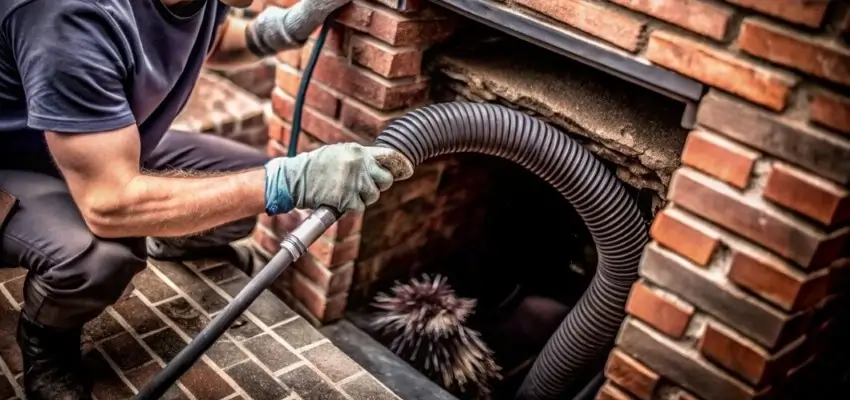
Less smoky smell, steadier flames: Chimney Cleaning around New Westminster

Your New Westminster fireplace, swept and checked: Chimney Sweep
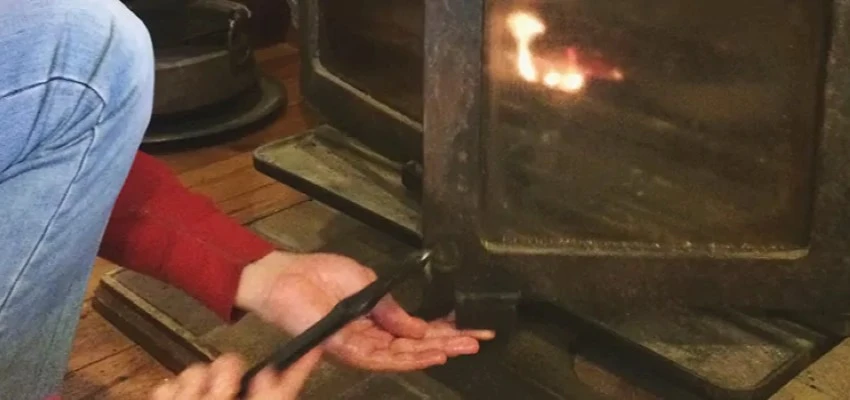
Swept and checked: Chimney Sweep Services in New Westminster
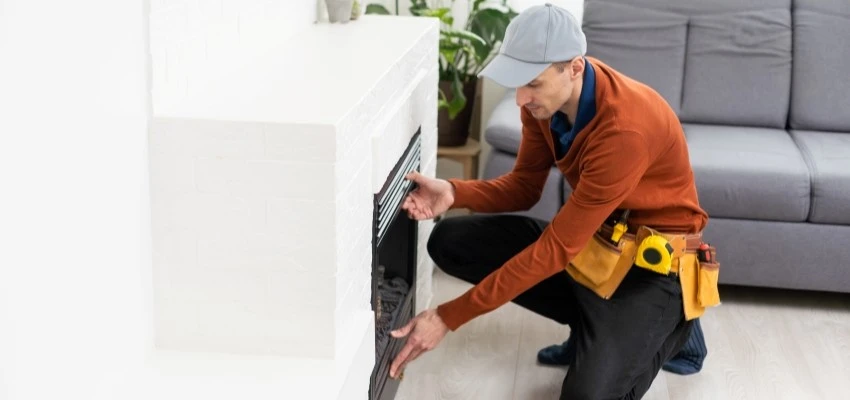
Wood units, stoves and inserts: Fireplace Experts serving New Westminster
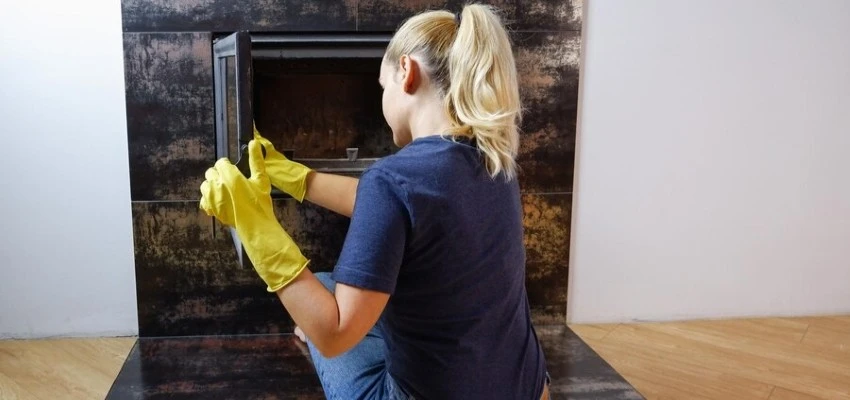
Fireplace smell at startup? Gas Fireplace Cleaning in New Westminster
Slow to light? Gas Fireplace Maintenance near New Westminster

