
Booking is simple. Send your name, number and a short message, and someone will get back to you about Prefab Chimney Installation New Westminster
A chimney has to cope with two hard jobs at once: weather on the outside, and heat and exhaust on the inside. Most specialty chimney work comes down to helping it do one or both of those jobs better. For anyone in New Westminster researching “prefab chimney installation”, this page walks through factory-built chimney installation step by step, from the first signs that something is needed to the care that keeps the result in good shape.

A prefab chimney, also called a factory-built chimney, is a manufactured system of insulated metal pipe sections, supports, firestops and a top termination, designed to vent a fireplace or stove made to work with it. Instead of brick and mortar, it relies on layers of metal and insulation to keep heat away from the surrounding framing. It is often enclosed in a framed chase finished to match the house. Prefab chimneys are lighter and quicker to install, and they are common in newer homes and additions, but they must be used only with compatible parts and appliances.
Usually when a new fireplace or wood stove is being added where there is no chimney, or when an existing prefab chimney has worn out, been damaged or no longer matches the appliance. Common signs of a worn system include rust, separated pipe sections, a damaged cap or chase cover and warped parts after a chimney fire. Factory-built chimneys are also used on additions and basements where a masonry chimney would be impractical. If you are researching “prefab chimney installation”, start by confirming exactly which fireplace or stove the chimney will serve, since that decides which system can be used.
Signs fall into three groups, and the second one is the most urgent. Water clues: stains, a musty smell after rain, bricks that stay dark long after a storm. Heat and smoke clues: draft that has weakened, smoke in the room, an odor in the walls beside the flue, a chimney fire you heard roar. Structural clues: a loose pot, cracked tiles dropping into the firebox, a top that looks out of line. Any of these is reason enough for a closer look, and with heat and smoke clues the appliance should stay cold until the chimney has been checked.
Anywhere from a short visit to several days, and we plan it around the size of the job, the access and the materials. A repellent on a dry, accessible chimney or a single pot swap is quick. A new liner or a prefab chimney through a finished ceiling and roof usually fills a day. A remodel that changes the height or face of a masonry chimney is measured in days, partly because new work has to cure before the next layer goes on. We also watch the forecast, since rain and frost decide when masonry and coatings can be done well.
We recommend once a year for most homes and treat it like any other seasonal service. The yearly visit lets us see how repairs, repellents, pots or new liners are holding up and catch small issues while they are cheap to fix. We suggest an extra look after high winds, hail or lightning nearby, after any chimney fire and when an appliance is added or swapped. Homes that burn a lot of wood may need sweeping more than once a season. Keeping a simple log of dates and findings makes it easy to spot trends over time.

Plan the route and the finish together. Decide where the fireplace or stove will sit, then check what lies above it, such as joists, wiring, plumbing or ducts, because the chimney needs a clear path with the required space to combustible materials. Think about how it will look outside: a metal pipe with a cap, or a framed chase finished to match the siding. Ask whether a permit or inspection is required where you live. Sharing photos of the room and roof when you request quotes for “prefab chimney installation” helps the installer plan accurately.
Tell the company what the chimney is made of, what it serves and what you want done or have noticed. Mention the type of fireplace or appliance, how many stories the house has, how steep the roof is and whether the chimney is brick, stone or a framed chase. Share any history: past repairs, a chimney fire, recent roof work or a new appliance. A few photos of the chimney from the yard and of the fireplace help a lot. These details let the company bring the right parts and give you a realistic estimate.
Follow the crew’s instructions about when the fireplace or stove can be used again, since new mortar, coatings or liners may need time. In the weeks after, watch for any stains, drafts or smoke that seem new. Keep the area around the chimney top clear by trimming branches and cleaning nearby gutters. If you burn wood, use dry, seasoned firewood and have the flue swept regularly, which protects liners and tiles. Book a yearly inspection, and keep receipts and photos from the work so future technicians know what was done.
Choose a chimney contractor that inspects before quoting, explains the cause of the problem and shows you evidence. Look for a company that does the specific work you need, whether flue repair, chimney pots, waterproofing or factory-built chimney installation, and ask to see photos of similar jobs. A clear written quote, a realistic timeline and an explanation of how the home will be protected are good signs. Read recent reviews for comments about communication and tidiness. Be cautious with anyone who pushes a large job without photos or pressures you to decide on the spot.

We agree on the scope and the price before any work begins, and we check in with you if we find something that changes the plan. Request your quote for factory-built chimney installation and see exactly what is included for your home.
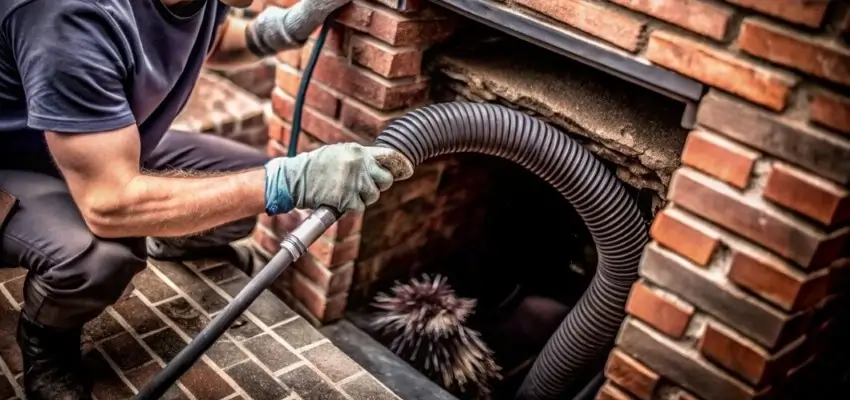
Less smoky smell, steadier flames: Chimney Cleaning around New Westminster

Your New Westminster fireplace, swept and checked: Chimney Sweep
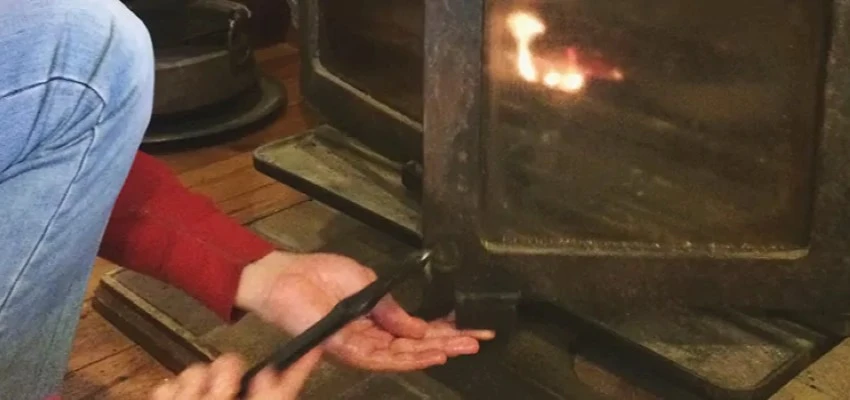
Swept and checked: Chimney Sweep Services in New Westminster
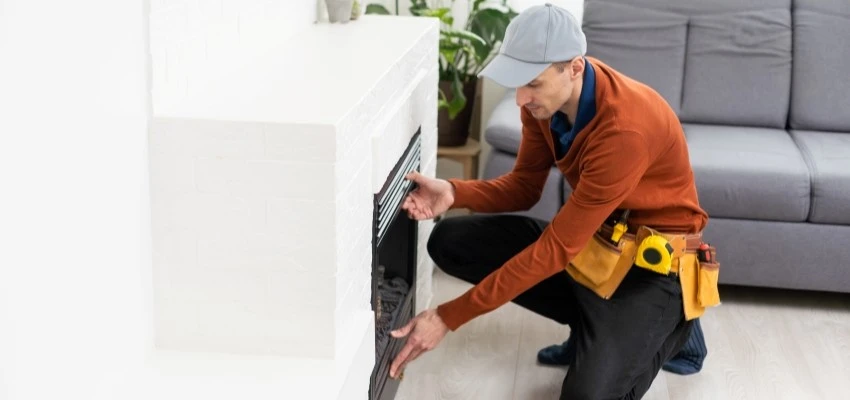
Wood units, stoves and inserts: Fireplace Experts serving New Westminster
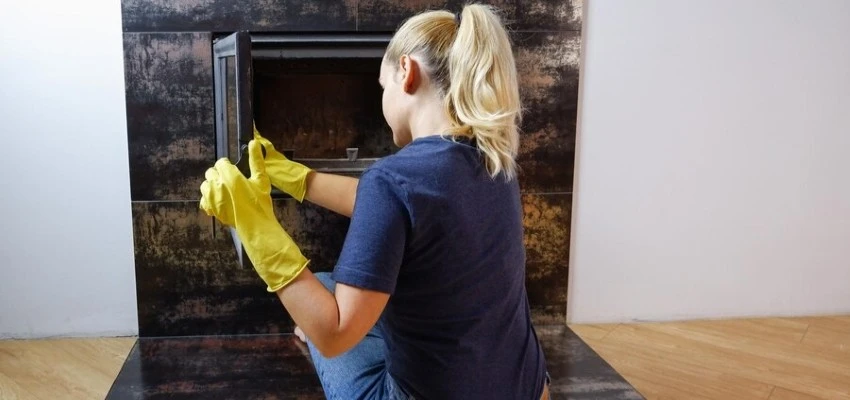
Fireplace smell at startup? Gas Fireplace Cleaning in New Westminster
Slow to light? Gas Fireplace Maintenance near New Westminster

