
Booking is simple. Send your name, number and a short message, and someone will get back to you about Pacific Energy Fireplace Repair New Westminster
Knowing how your fireplace works, and what usually goes wrong with it, makes any visit easier to plan. The questions collected here are a shortcut to both. They are the ones homeowners in New Westminster raise most often after a search for “pacific energy fireplace repair”, from tracking down the serial number to judging whether an older unit deserves a repair. Pick out whatever matches your situation and keep the rest as background for your decisions about Pacific Energy stove and insert repair.

Not fundamentally. The stoves and inserts behind a search for “pacific energy fireplace repair” are built around the same clean-burning principles as many others: a sealed door, a baffle above the fire and secondary air that burns off the smoke. What differs from model to model is the shape of the baffle, how the air tubes are fixed and which gaskets and firebricks fit. A technician reads the rating label and works from the manual for that exact stove. Chimney Sweep New Westminster is an independent service company, so our job is to follow those instructions carefully rather than represent the manufacturer.
No, an experienced fireplace technician can usually take on the job, dealer or not. On site, the badge on the front matters less than what sits behind the access panel: the valve and ignition design on a gas unit, or the baffle, air controls and gaskets on a wood stove. We read the label, pull up the manual for that model and check its parts list before ordering anything. When a repair calls for a component only the manufacturer supplies, we order that component rather than improvising. Asking a technician which brands and fuel types they see most often is a fair question before you book.
Thumping ignition, grinding fans, electrical burning smells and lingering smoke are the warning signs; ticking metal and a brief new-part smell usually are not. Telling them apart is a big part of our job. A delayed light-off that rolls flame out of the firebox suggests a dirty burner or a weak igniter. A fan that squeals has worn bearings. A sharp, plastic smell can come from wiring touching something hot. On gas units, the smell of gas means leaving the house and calling the gas utility from outside before calling anyone else, us included.
The repairs we make most often follow the way each unit is used. Gas fireplaces that cycle on and off all winter wear out their ignition parts: thermocouples and thermopiles weaken, spark electrodes corrode and control modules eventually give up. Blower motors collect dust and start to rattle. Wood stoves take more physical punishment, so we replace door gaskets, firebricks and baffle boards that have cracked or sagged from heat. Glass gets attention on both types. None of this points to a bad brand; it is ordinary wear on equipment that works hard for months at a time.
Servicing a wood stove is mostly about restoring a tight, predictable burn. We start with the seals, because a stove that leaks air burns too hot and too fast. Then we lower the baffle where the design allows, which lets us inspect the top of the firebox and the flue collar for creosote and corrosion. Firebricks are swapped if they are cracked through, and loose air tubes are reseated. If the stove uses a catalytic combustor, we check whether it is still doing its job. We finish at the stovepipe or liner and recommend a sweep if the deposits call for one.

Once a year suits most households, and we adjust from there. A gas fireplace that runs every evening through the colder months collects more dust in the burner and more wear on its ignition than one lit a few times a season. A wood stove used as a main heat source may need its flue swept more than once in a winter. We note what we find at each visit, such as how dirty the burner was or how much creosote came out, and suggest the next date from that. Your manual’s recommendation is the baseline; your usage fine-tunes it.
The most helpful thing is a cold, clear fireplace. We cannot safely open a unit that is still hot, so a gas fireplace switched off a few hours early and a stove left unlit since the day before save real time. We also need room to lay down drop cloths and set out tools, which means moving furniture, mantel décor and anything on the hearth. Outside, a clear route to the vent cap helps. If your fireplace has a wall switch, remote or thermostat, keep it handy. Pets tend to be happier in another room while panels come off.
Clean it out and let it breathe. Once the last fire is out and the stove is cold, remove all ashes, since ash left in the firebox over a humid summer draws moisture and can corrode steel. Leave the air control slightly open and the door unlatched, if your manual allows, so air keeps moving through. Spring is also a sensible time to have the chimney swept, because deposits can smell in warm, damp weather. Note anything you noticed during the season, such as gasket or glass issues, and book the “pacific energy fireplace repair” work over the summer while schedules are lighter.
Burning habits have a big effect on how long a wood stove’s parts last. Dry, seasoned firewood burns hotter and cleaner, which keeps glass clear and slows creosote buildup. Avoid overfiring: a stove packed full with the air wide open can warp baffles, crack firebricks and stress welds. Never burn trash, painted or treated wood, or large amounts of cardboard. Use the air control as the manual describes, remove ashes before they crowd the firebox and close the door gently so the gasket lasts. These habits stretch the time between repairs noticeably.

When we know what to expect, we can usually plan everything for a single appointment. Share a few details about your home and your stove ahead of time. Plan Pacific Energy stove and insert repair with Chimney Sweep New Westminster and keep the disruption small.
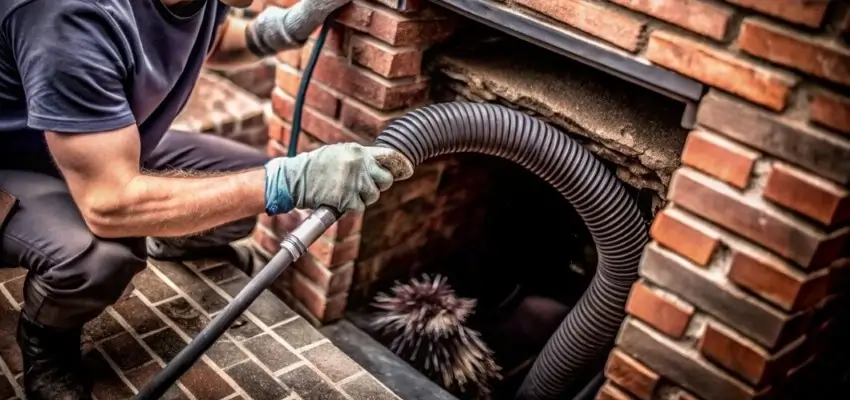
Less smoky smell, steadier flames: Chimney Cleaning around New Westminster
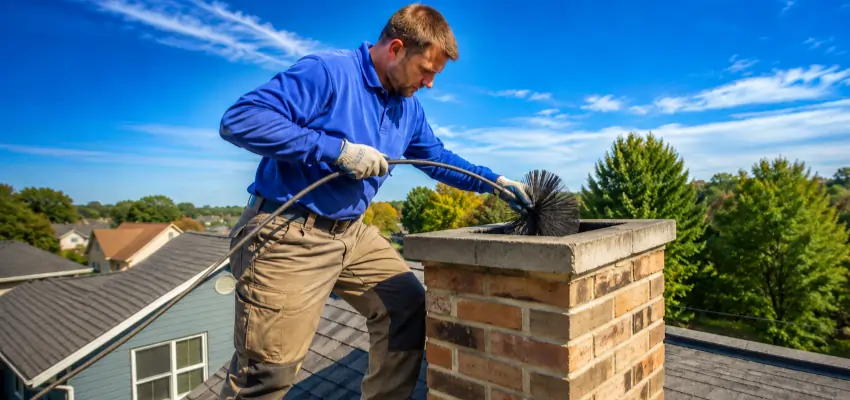
Your New Westminster fireplace, swept and checked: Chimney Sweep
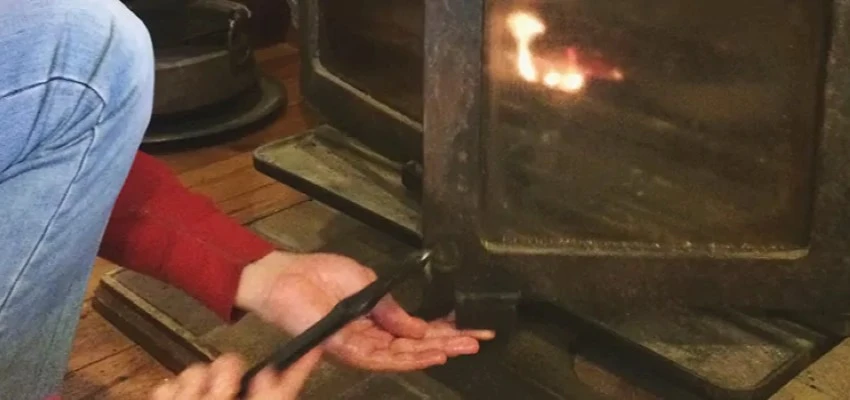
Swept and checked: Chimney Sweep Services in New Westminster
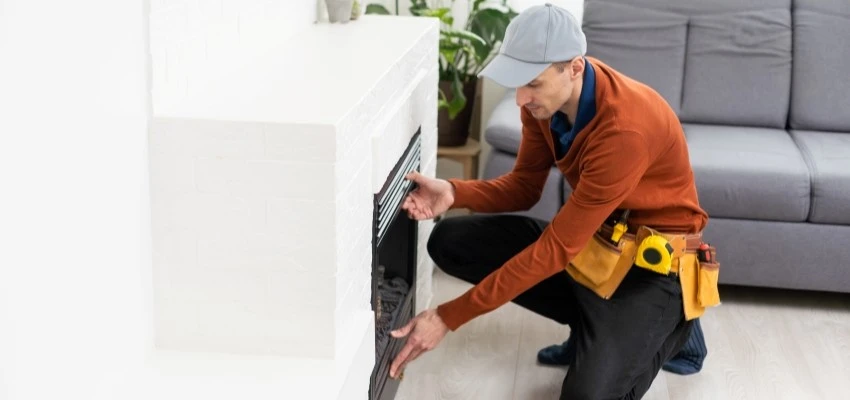
Wood units, stoves and inserts: Fireplace Experts serving New Westminster
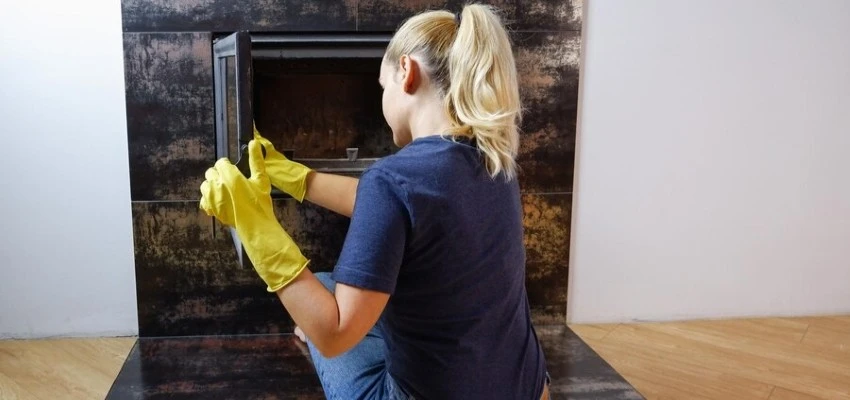
Fireplace smell at startup? Gas Fireplace Cleaning in New Westminster
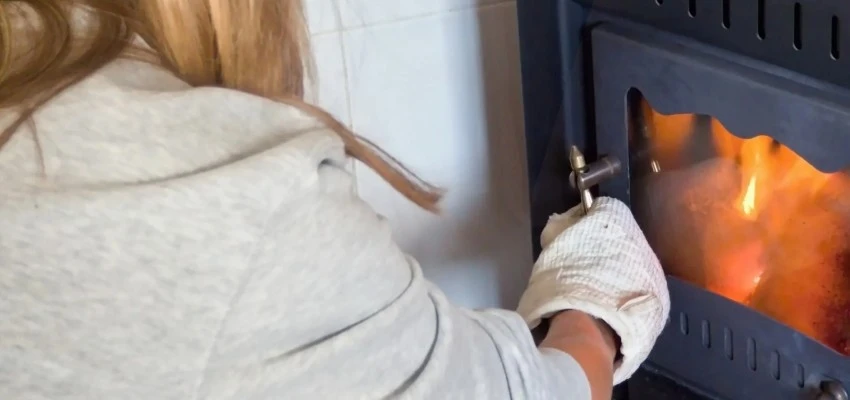
Slow to light? Gas Fireplace Maintenance near New Westminster

