
Booking is simple. Send your name, number and a short message, and someone will get back to you about Ortal Fireplace Repair New Westminster
The name on the front of a fireplace tells you who built it, not who is allowed to fix it. Homeowners around New Westminster who search for “ortal fireplace repair” usually want to know whether a local technician can handle their unit, what a repair visit involves and how the right parts are found. This page answers those questions in plain language for gas fireplaces, inserts and wood stoves alike, so you can approach Ortal gas fireplace repair with a clear picture of what lies ahead.

Corner, three-sided, see-through and island fireplaces have more glass, more seals and more ways for air to leak than a single-front unit. Ortal is a name many people connect with these open, architectural designs. During a repair, each glass panel may need to come off to reach the burner or clean the inside, and every gasket has to seat properly when it goes back so the sealed combustion chamber stays sealed. If your “ortal fireplace repair” search involves a unit with two or more glass sides, ask how the technician handles the glass and whether replacement gaskets will be on hand.
No, a dealer is not the only option. Independent technicians repair most major brands of gas fireplaces, inserts and wood stoves, because the core systems are similar from one maker to the next. What matters is that the technician identifies your exact unit from its rating label, follows the manufacturer’s installation and service instructions and uses the replacement parts those instructions call for. Dealers mainly sell and install new equipment, and some also offer service, but the choice of who works on your fireplace is yours. Ask anyone you call which types of units they handle and how they source parts.
Fireplace glass gets hot enough to burn skin because it sits right in front of the flame, and on wide, frameless designs there is a lot of it within reach. Newer gas fireplaces usually come with a fine mesh barrier screen in front of the glass to reduce the risk of touching it. If your screen is missing or damaged, ask for a replacement made for your model rather than leaving the glass exposed, especially with children or pets at home. Glass that seems hotter than it used to, or a frame that discolors, is worth reporting during your next Ortal gas fireplace repair visit.
A pilot that will not stay lit usually points to a weak flame sensor, a pilot assembly clogged with dust or a draft problem in the venting. On many fireplaces, a small sensor called a thermocouple or thermopile sits in the pilot flame and holds the gas valve open; when it wears out or the flame no longer reaches it, the valve shuts. Low gas supply and a blocked vent can cause the same symptom. Leave the unit off rather than relighting it again and again, and book a technician. If you ever smell gas, leave the home and call your gas utility from outside.
A rotten-egg smell, a strong smoky odor in the room, a bang or whoosh when the burner lights and a grinding blower are the ones to take seriously. If you smell gas, do not touch switches or the fireplace controls; leave the home and call your gas utility from outside. For a delayed, booming ignition or smoke that keeps escaping, stop using the unit and book a check. Some sounds and smells are normal, though: light ticking as metal heats and cools, and a paint or oil smell during the first fires after new parts are fitted. Working carbon monoxide alarms add an extra layer of protection.

Usually, yes, at least for the parts that wear out most. Thermocouples, igniters, gaskets, glass, firebricks and blowers are widely available, either as the original part or as a replacement the manufacturer lists as suitable for that model. Harder cases involve control boards, valves and decorative pieces from designs that were dropped long ago. When a part is discontinued, a technician looks for an approved substitute before considering anything else, and gas components in particular should never be swapped for something the manual does not allow. If no safe option exists, that is the moment to talk about replacing the unit.
Plan on an hour or two for most visits, with exceptions we can usually predict. The unit needs to be cold before we open it, so a fireplace that was running that morning adds waiting time. Diagnosis is quick when the fault happens on demand and slower when it only shows up after the unit has been running a while. Parts are the other variable: if we carry the part, the repair usually happens on the spot; if it has to be ordered, we schedule a return trip and share what we know about delivery.
Most of the difference comes down to three things: the part, the access and the time it takes to find the fault. Parts vary widely, and an electronic module or valve costs far more than a gasket kit. Access matters because an insert boxed in by stone, or a stove squeezed into a tight alcove, takes longer to open up than a unit with room around it. Intermittent faults take the most diagnosis, since we may need to run the fireplace through several cycles to catch the problem. We explain those factors before starting and price parts and labor separately.
The model and serial number are printed on a rating label or metal plate attached to the unit. On many gas fireplaces and inserts, it sits behind the lower louver or grille near the controls, sometimes on a chain or tag that pulls out. On freestanding stoves, it is often on the back or underneath. Wait until the unit is completely cool, use a flashlight and take a clear photo rather than copying it by hand. Do not remove panels or touch gas parts to find it. If you cannot locate the label, photos of the front and the controls still help.

If you already know the work needs doing, booking early gives you more choice of dates and less to think about later. Tell us roughly when you would like the visit in New Westminster and we will hold a time for you. Reserve your visit.
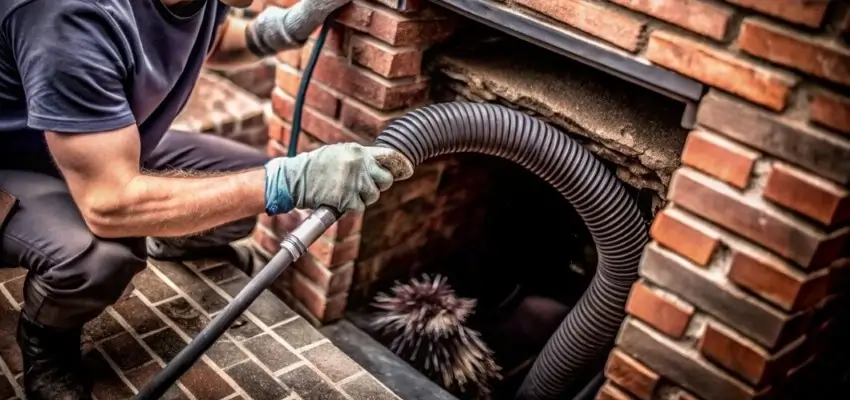
Less smoky smell, steadier flames: Chimney Cleaning around New Westminster
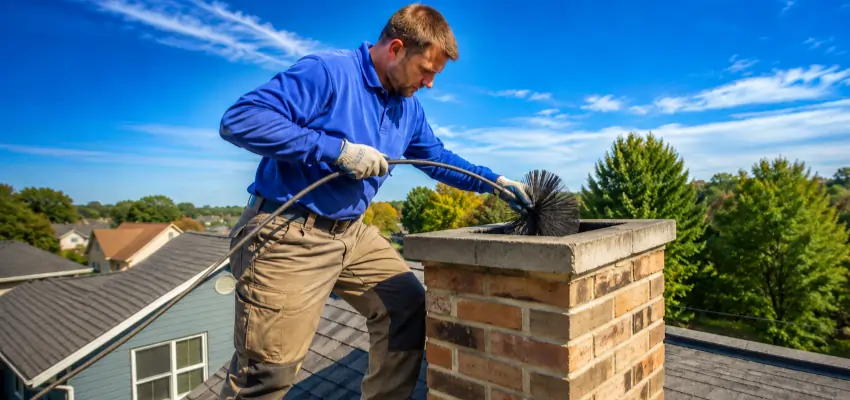
Your New Westminster fireplace, swept and checked: Chimney Sweep
Swept and checked: Chimney Sweep Services in New Westminster
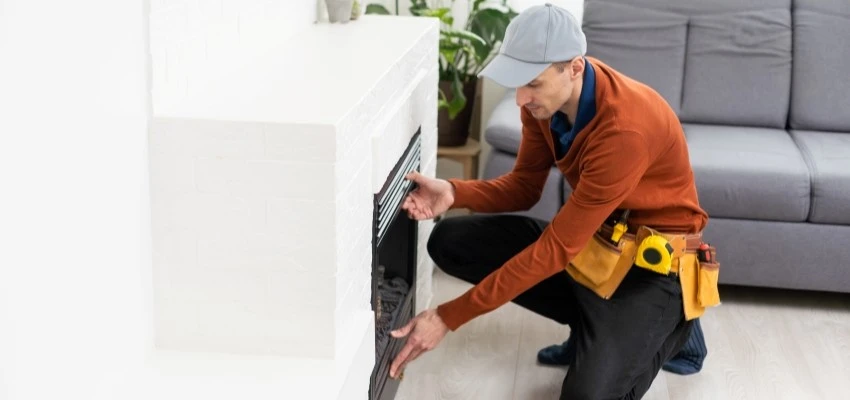
Wood units, stoves and inserts: Fireplace Experts serving New Westminster
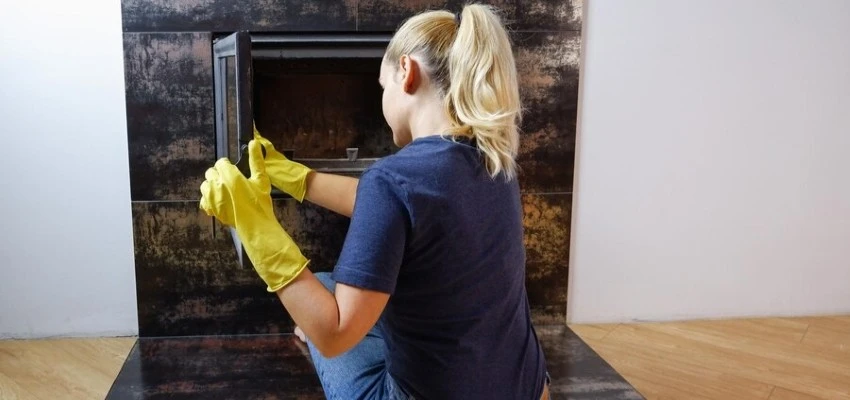
Fireplace smell at startup? Gas Fireplace Cleaning in New Westminster
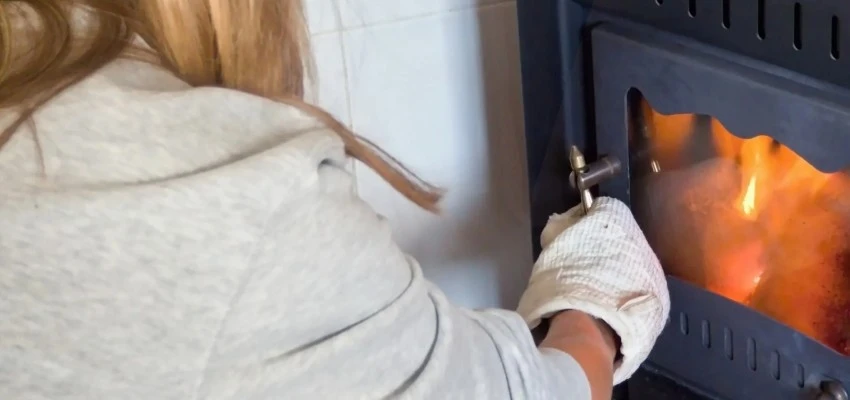
Slow to light? Gas Fireplace Maintenance near New Westminster

