
Booking is simple. Send your name, number and a short message, and someone will get back to you about Kingsman Fireplaces Repair New Westminster
Bought a house with a fireplace you have never lit? Inherited a stove with a name you do not recognize? Searching for “kingsman fireplaces repair” is a reasonable first move, and this guide picks up from there. It walks through the everyday questions about Kingsman gas fireplace repair that homeowners in New Westminster bring to our technicians, including how often a unit should be looked at, how long repairs take and what to have on hand when you call.

Partly. The basic systems are shared across brands: a gas unit needs a working valve, ignition, burner and vent, while a wood stove depends on tight seals, a sound firebox and a clear flue. What changes is the detail. Manufacturers place controls in different spots, use different ignition designs and specify their own replacement parts, and a single brand also changes its designs over time. That is why a careful technician starts with the model label and manual rather than guesswork. For you, the takeaway is simple: the repair approach is familiar, but the parts and steps are specific to your unit.
The Kingsman units found in homes are usually gas appliances: built-in fireplaces, inserts that fit an existing opening and freestanding stoves, typically direct vent, which means they draw combustion air from outside and send exhaust back out through a sealed pipe. That sealed design is why the glass, its gasket and the vent connections matter so much during a repair. If your search for “kingsman fireplaces repair” started with a unit you inherited with the house, the rating label tells you which type you have. Our technicians are independent of the manufacturer and work from that label and the published manual.
Thumping ignition, grinding fans, electrical burning smells and lingering smoke are the warning signs; ticking metal and a brief new-part smell usually are not. Telling them apart is a big part of our job. A delayed light-off that rolls flame out of the firebox suggests a dirty burner or a weak igniter. A fan that squeals has worn bearings. A sharp, plastic smell can come from wiring touching something hot. On gas units, the smell of gas means leaving the house and calling the gas utility from outside before calling anyone else, us included.
A lazy, yellow or sooty flame usually means the burner is not getting the air mix it was designed for. In a direct vent unit, common causes are logs or media shifted out of position, dust and debris in the burner ports, a vent pipe that has separated or a termination outside that is partly blocked by plants, snow or a nest. Soot on the glass is the visible sign. Turn the fireplace off, keep your carbon monoxide alarms working and book a check, mentioning when the change began. Venting faults on a sealed system need a qualified gas technician, not a quick adjustment.
A thorough gas fireplace check covers the parts that keep the flame clean and the exhaust moving outdoors. Typical steps include cleaning the pilot assembly and burner, testing the ignition and flame sensor, checking gas connections for leaks and confirming the flame looks right. On sealed units, the glass is removed, cleaned and its gasket inspected. Logs or decorative media are set back in the layout the manual shows, since misplaced pieces cause soot. Outside, the vent termination should be clear of nests, plants and debris. Ask for a short summary of what was found and anything that needs attention.

We work from the symptom backward. If a gas fireplace will not light, we watch what it does when you press the button or flip the switch: is there a spark, does the pilot form, does the main burner try? Each step narrows the problem to the ignition, the sensor, the valve or the supply. With a wood stove, the questions are about draft, sealing and wear, and the answers come from the gaskets, the baffle and how the fire behaves. Testing comes before replacing anything, so you are not paying for parts that were never the problem.
Most of the difference comes down to three things: the part, the access and the time it takes to find the fault. Parts vary widely, and an electronic module or valve costs far more than a gasket kit. Access matters because an insert boxed in by stone, or a stove squeezed into a tight alcove, takes longer to open up than a unit with room around it. Intermittent faults take the most diagnosis, since we may need to run the fireplace through several cycles to catch the problem. We explain those factors before starting and price parts and labor separately.
Give the technician the brand, model and serial number, the fuel type and whether it is a built-in fireplace, an insert or a freestanding stove. Then describe the problem as precisely as you can: what happens, when it started, whether it is constant or comes and goes and anything that changed around that time, such as a power outage, new batteries or renovation work. Mention any blinking lights or sounds, and what you have already tried. Photos of the label, the controls and the flame help a lot. Clear details often mean the right part arrives with the first visit.
It should work the way it did when it was healthy, and we check that before leaving. We run the fireplace through a full start, watch the flame pattern and confirm the controls respond, or for a stove, make sure new gaskets seat properly when the door latches. Fresh paint, adhesives and new gaskets can give off a smell for the first few burns; that is expected and fades quickly with some ventilation. What is not expected is the same fault coming back. If it does, let us know, because an intermittent problem sometimes has a second cause hiding behind the first.

Whether you want to book now or just gather information first, we are glad to help. Ask your questions about Kingsman gas fireplace repair, your fireplace or the timing that suits you. Contact Chimney Sweep New Westminster for homes across New Westminster.
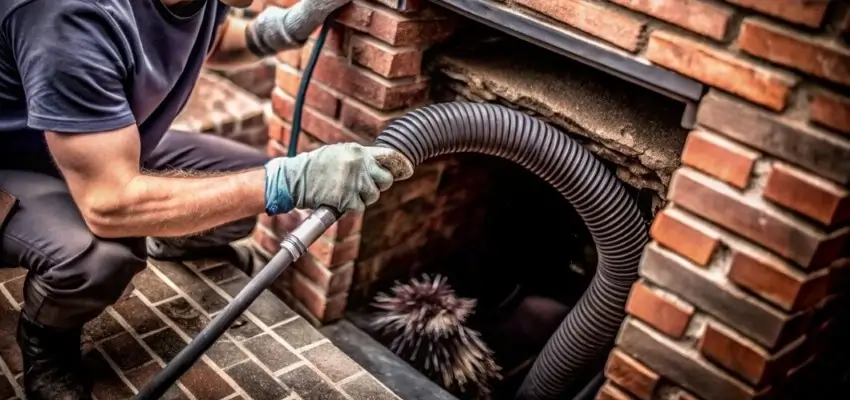
Less smoky smell, steadier flames: Chimney Cleaning around New Westminster

Your New Westminster fireplace, swept and checked: Chimney Sweep
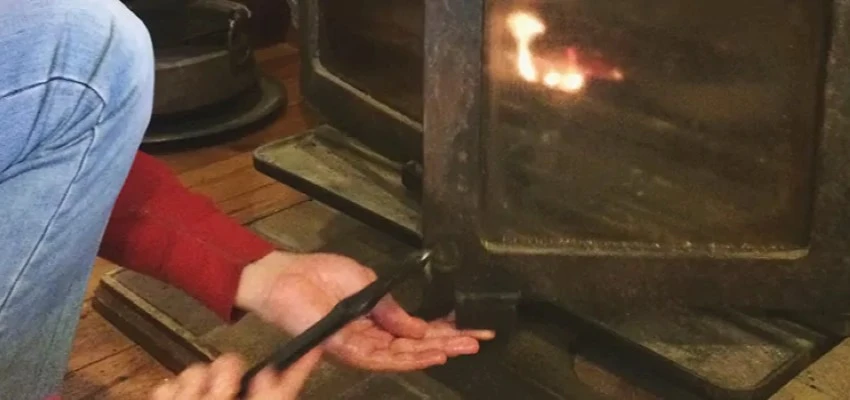
Swept and checked: Chimney Sweep Services in New Westminster
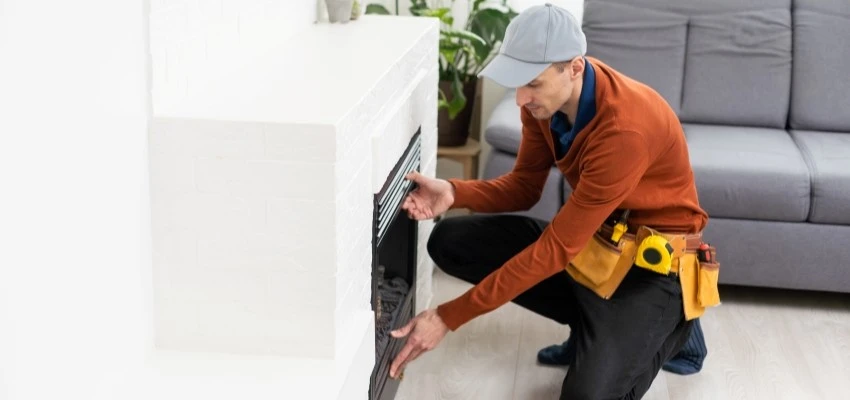
Wood units, stoves and inserts: Fireplace Experts serving New Westminster
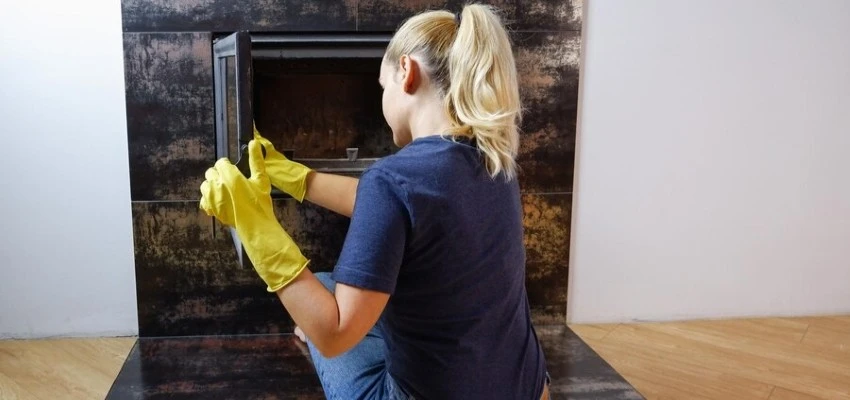
Fireplace smell at startup? Gas Fireplace Cleaning in New Westminster
Slow to light? Gas Fireplace Maintenance near New Westminster

