
Booking is simple. Send your name, number and a short message, and someone will get back to you about Industrial Chimney Services New Westminster
A smoky smell on a humid afternoon, scratching above the damper, a fire that refuses to draw: chimneys tend to announce trouble in small ways first. If one of those moments led you to search for “industrial chimney services”, you are in a good place to start. This page walks through industrial chimney maintenance for buildings around New Westminster, explaining what usually causes problems, what a visit involves and which simple checks you can make safely on your own.

Commercial chimney services usually cover sweeping, inspection and routine upkeep of every flue that serves a business, from wood-fired ovens and hotel fireplaces to boiler and furnace chimneys. Apartment and condo buildings with many fireplaces, places of worship, schools and offices in New Westminster fall into the same category. A typical service includes cleaning, a camera check of each flue, cap and damper checks and a written summary of the findings. Tall stacks or hard-to-reach roofs may call for lifts or other access equipment, so ask early what the company handles itself. A clear written scope keeps quotes comparable between providers.
Industrial chimneys are usually the tall masonry, concrete or steel stacks that vent large boilers, heating plants, kilns, incinerators and process equipment at factories, plants and institutions. They are bigger, hotter and harder to reach than residential or restaurant flues, and they often run for long periods without a break. Work on them can require heavy access equipment, specialist crews and close coordination with plant staff. Some companies offering “industrial chimney services” focus on smaller commercial flues, so ask early what heights, materials and equipment types a provider actually handles.
During a chimney sweep, the technician scrubs the inside of the flue from top to bottom and removes the loosened buildup without spreading it through the room. A typical visit starts with drop cloths around the hearth and a powerful vacuum set up at the fireplace or stove opening. Brushes sized to the flue are run through on flexible rods, from below, from the roof or both. The smoke chamber, damper and firebox are cleaned as well. Most sweeps finish by checking the cap and the visible parts of the chimney and telling you what they saw, including anything that needs attention later.
Anywhere from monthly for a busy wood-fired oven to yearly for a boiler flue, and we set the exact schedule from what we measure. A pizza oven burning from lunch to close can coat its flue faster than a house fireplace does in a whole winter, so those kitchens often start on a monthly or every-other-month rotation. After two or three visits we know the real rate and can adjust. Boiler stacks and gas-fired equipment produce little creosote, but their flues still need a yearly look for corrosion, debris and draft. Fireplaces in common areas sit somewhere in between. A written log of each visit keeps staff and owners on the same page.
A chimney quote is mostly time, access and materials, in that order. A single-story house with a gentle roof pitch and one lightly coated flue is quick. A three-story chimney, a slate or tile roof that needs extra care, or a cluster of flues on an apartment building calls for more equipment and more hands. Condition matters too: a flue we can brush in one pass costs less than one that needs rotary tools or several trips. Parts such as caps, dampers or liner sections are separate from labor. We would rather explain those factors up front than surprise anyone later.

The equipment the chimney serves must be shut down, isolated and allowed to cool, and the site’s own safety rules have to be agreed in advance. That usually means a planning meeting covering shutdown timing, lockout procedures, access routes, work zones on the ground and who has authority to stop the job. Weather limits for work at height should be set too. Your safety officer may require orientation for the crew. Choosing a provider of “industrial chimney services” that asks about these details unprompted is a good sign it has worked on similar sites.
A cold firebox and a bare hearth help us more than anything else. Clear a few feet of floor for the vacuum and drop cloths, and lift screens and ornaments off the hearth itself. Warm ash is the most common reason a job starts late, since we cannot clean safely until it has cooled. Outside, we need a stable spot near the chimney for the ladder, so mention soft ground, flower beds or a deck that might be in the way. Tell us about alarm systems, a dog that dislikes visitors or a roof that is easier to reach from the back. Those small details save time on the day.
You can handle simple upkeep yourself, but the sweeping is usually a job for a professional, and creosote sweeping logs only loosen some deposits rather than replacing a real cleaning. Safe tasks include removing cold ashes, keeping the hearth clear, looking up the flue with a flashlight when the fire is out and checking the cap from the ground with binoculars. Full sweeping means roof work, brushes matched to the liner and a way to contain soot indoors, and it skips the inspection a trained technician does at the same time. Leave anything involving the liner, masonry or gas parts to professionals.
If the sweep finds damage, ask to see it, ask what it means for safety and get a written quote before you agree to anything, since a sound recommendation can always be shown and explained. Photos or camera footage should make the problem clear. Ask whether the fireplace or stove can be used in the meantime, and which repairs are urgent and which can be planned. Common findings include a cracked crown, loose flashing, a rusted damper, a missing cap or cracked flue tiles. For larger jobs, such as relining, a second opinion is reasonable. Avoid deciding under pressure on the doorstep.

Parts of a home that have been in place for decades, from chimneys to ductwork, often hide earlier fixes and pieces that are no longer made. We check what is really there first, then talk through realistic options with you. Ask about industrial chimney maintenance for your setup in New Westminster.
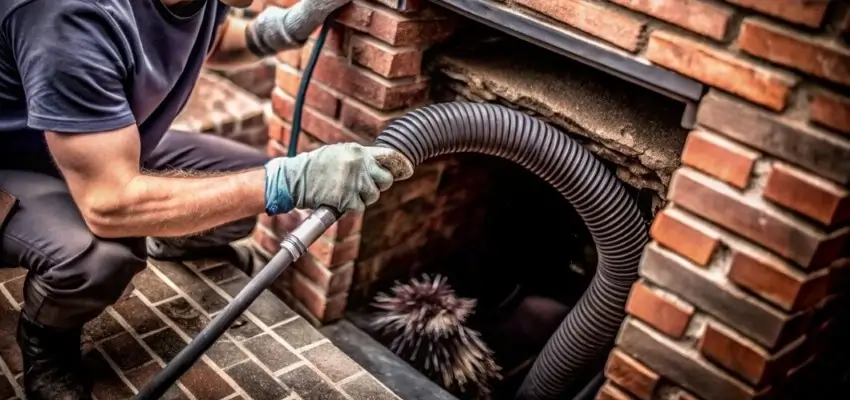
Less smoky smell, steadier flames: Chimney Cleaning around New Westminster
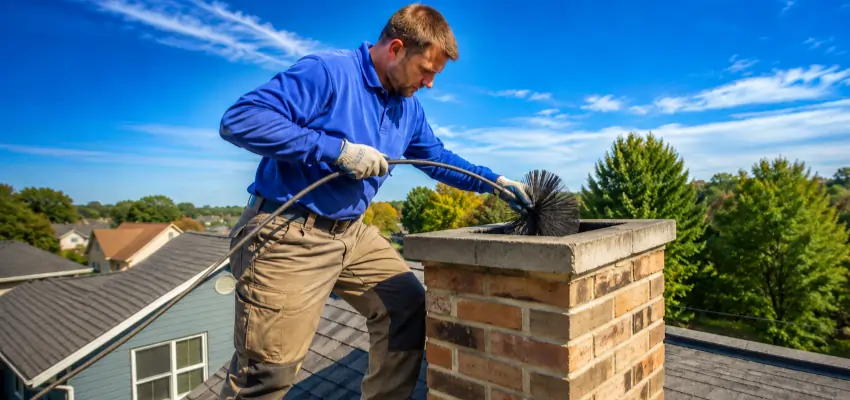
Your New Westminster fireplace, swept and checked: Chimney Sweep
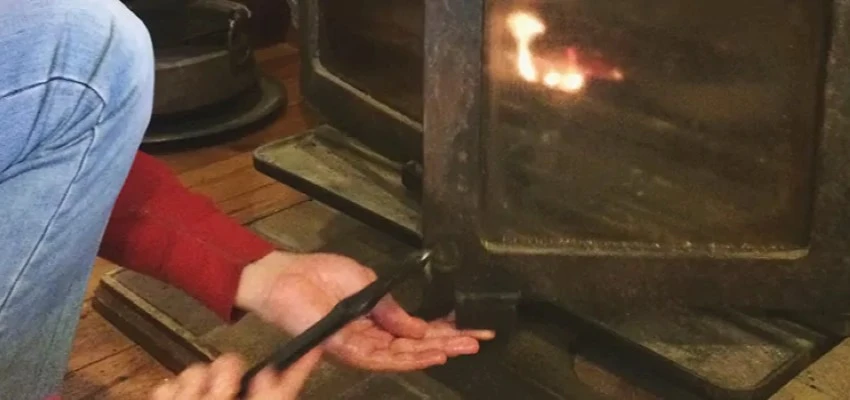
Swept and checked: Chimney Sweep Services in New Westminster
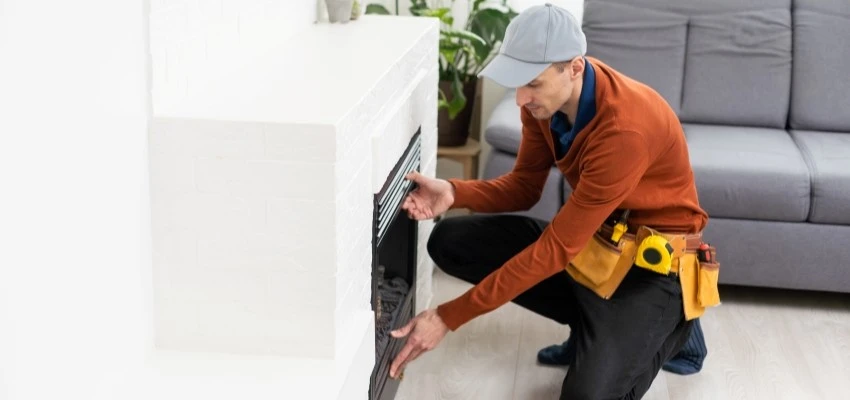
Wood units, stoves and inserts: Fireplace Experts serving New Westminster
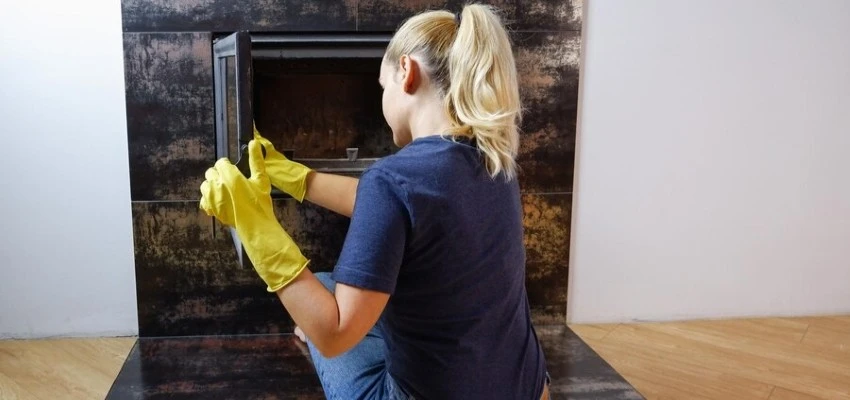
Fireplace smell at startup? Gas Fireplace Cleaning in New Westminster
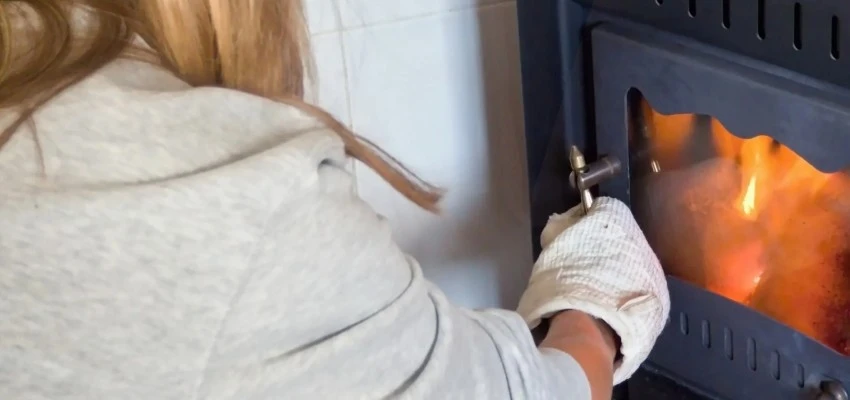
Slow to light? Gas Fireplace Maintenance near New Westminster

