
Booking is simple. Send your name, number and a short message, and someone will get back to you about Heatilator Fireplace Repair New Westminster
Fireplaces and stoves tend to show their faults when they go back to work after a long rest: a pilot that will not catch, glass that clouds over or, on a wood unit, smoke that puffs out when the door opens. If that sent you looking for “heatilator fireplace repair”, you are in good company, and most of these problems have ordinary explanations. Below, households in New Westminster will find practical answers about Heatilator fireplace and insert repair: what tends to wear out, what a technician checks and what you can safely look at yourself.

Only in the details; the principles carry over. A thermocouple on one gas fireplace does the same job as on another, yet the mounting, length and connection can differ, and an electronic ignition board from one generation rarely fits the next. Wood stoves are similar, since baffles, air tubes and door latches vary by model even inside one product line. In practice, the first few minutes of every visit go to confirming exactly what we are looking at. After that, the diagnosis follows a routine any trained technician would recognize, and parts are matched to the model, not to the brand in general.
A factory-built fireplace is a metal firebox designed and tested as a complete system with its own chimney pipe, instead of being built from brick on site. Many builders install them, and the name on yours may be the one you searched for with “heatilator fireplace repair”. For repairs, the system idea matters: refractory panels, glass doors, the chimney pipe and the cap are all specified for that model, and mixing in parts from elsewhere can change how it performs. A technician should identify the model from its label before replacing panels or venting parts, and cracked or warped components should be replaced, not patched.
Smoke in the room comes from one of two things: a leak or weak draft. To find a leak, we close the door on a strip of paper at several points; if it slides out easily, the gasket is no longer sealing. We also look at the glass gasket and the seams where plates meet. For draft, we check the flue for creosote or a blocked cap, look at how the stovepipe is routed and ask how fires are started. A cold chimney, a tight house with exhaust fans running and damp wood can each make a perfectly good stove smoke.
Film on fireplace glass usually tells you something about how the fire is burning. On gas units, a white haze is common and builds up from minerals and byproducts in the combustion gases; it can be cleaned with a product made for fireplace glass, since ordinary cleaners may etch it, ideally during a service visit on sealed units. Black soot on gas glass is different and suggests the flame is not burning cleanly, often because of misplaced logs, dirt in the burner or a venting issue. On wood stoves, brown or black staining usually comes from smoldering fires or damp wood.
Hairline cracks in the refractory panels that line a factory-built wood fireplace are common and often cosmetic, but wider cracks, missing pieces or metal showing through are a different matter. Those panels protect the steel firebox behind them from direct heat. Once they crumble, the metal can warp or burn through, which turns a modest repair into a much bigger one. Many manuals describe how wide a crack can be before a panel must be replaced, so the technician checks your model’s guidance. If you can see bare metal behind a panel, stop using the fireplace until it has been looked at.

Our gas fireplace checklist starts with safety and ends with appearance. First come the gas connections, tested for leaks, and the venting, inspected inside and at the outside cap. Then the ignition: pilot or spark, sensor output and how quickly the main burner lights. We clean dust and lint from the burner ports and the control area, since blockages cause lazy flames and soot. Logs, rocks or glass media go back exactly as the manufacturer drew them. Finally, we run the unit long enough to watch a steady flame and confirm the blower and controls respond.
Servicing a wood stove is mostly about restoring a tight, predictable burn. We start with the seals, because a stove that leaks air burns too hot and too fast. Then we lower the baffle where the design allows, which lets us inspect the top of the firebox and the flue collar for creosote and corrosion. Firebricks are swapped if they are cracked through, and loose air tubes are reseated. If the stove uses a catalytic combustor, we check whether it is still doing its job. We finish at the stovepipe or liner and recommend a sweep if the deposits call for one.
Plan on an hour or two for most visits, with exceptions we can usually predict. The unit needs to be cold before we open it, so a fireplace that was running that morning adds waiting time. Diagnosis is quick when the fault happens on demand and slower when it only shows up after the unit has been running a while. Parts are the other variable: if we carry the part, the repair usually happens on the spot; if it has to be ordered, we schedule a return trip and share what we know about delivery.
Batteries are the usual cause, followed by pairing and then the electronics. On many units, the receiver near the valve runs on its own batteries, and homeowners often change the handset without realizing the receiver is the weak link. Power surges, outages and dropped remotes can also break the pairing between the two. If fresh batteries and re-pairing do not help, we test the receiver output and the valve’s response to it directly, which shows quickly whether the fault is in the remote system or in the fireplace. Replacing a remote kit is usually straightforward once the model is known.

We would rather explain one thing clearly than list ten things you do not need. Ask us what matters for your home in New Westminster and we will give you a straight reply. Get in touch with Chimney Sweep New Westminster whenever you are ready.
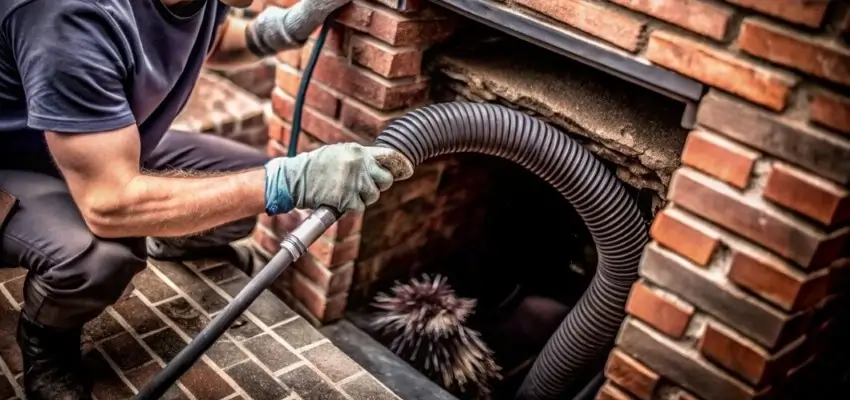
Less smoky smell, steadier flames: Chimney Cleaning around New Westminster
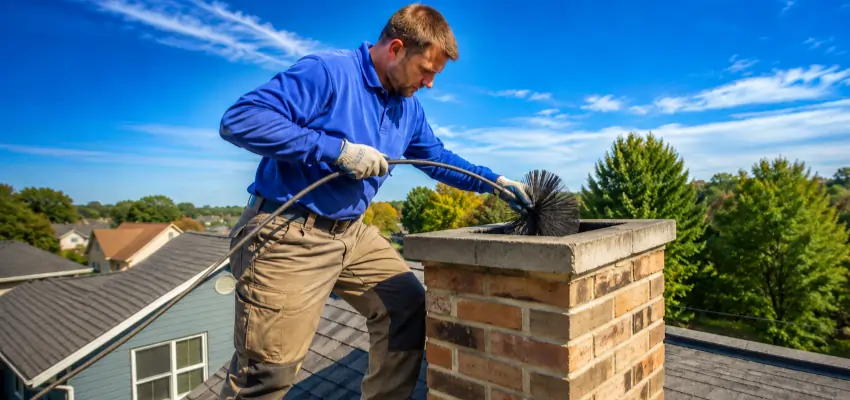
Your New Westminster fireplace, swept and checked: Chimney Sweep
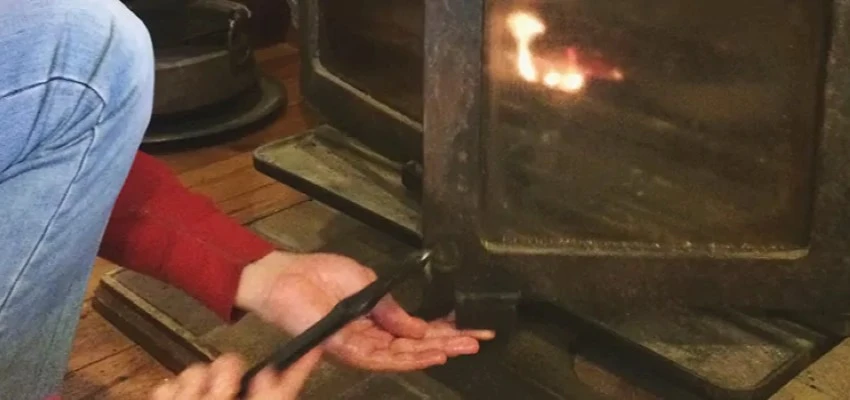
Swept and checked: Chimney Sweep Services in New Westminster
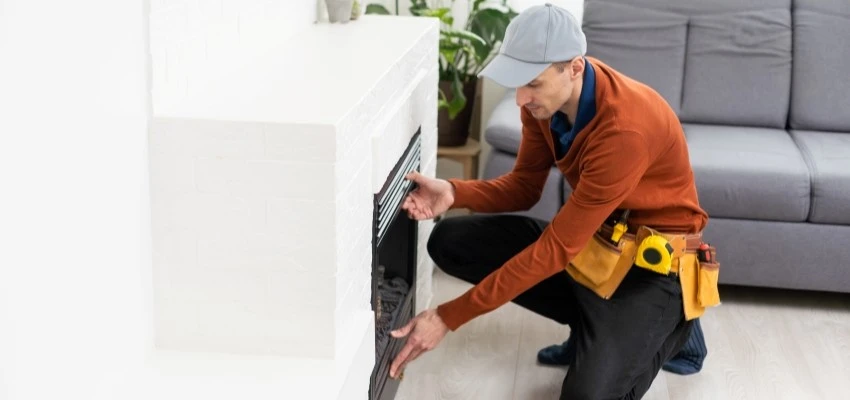
Wood units, stoves and inserts: Fireplace Experts serving New Westminster
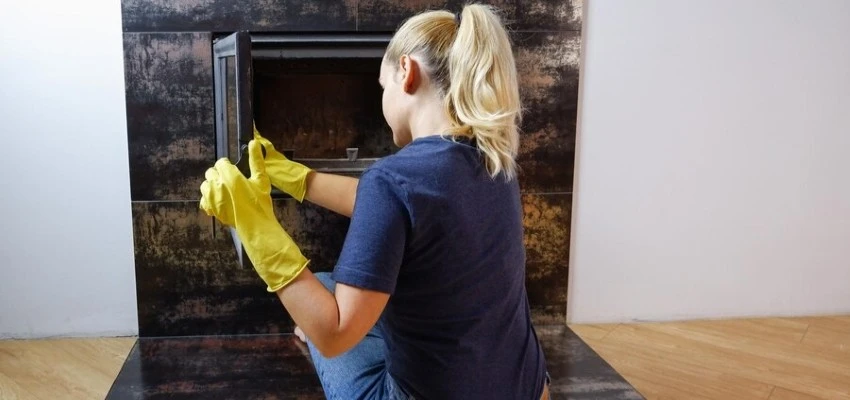
Fireplace smell at startup? Gas Fireplace Cleaning in New Westminster
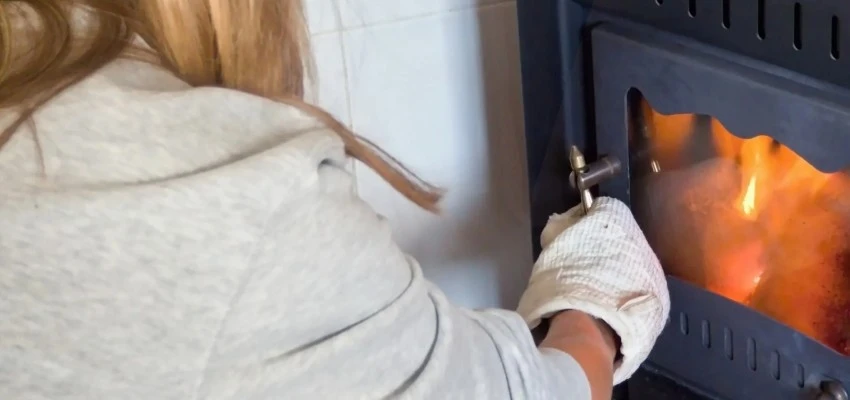
Slow to light? Gas Fireplace Maintenance near New Westminster

