
Booking is simple. Send your name, number and a short message, and someone will get back to you about Heat & Glo Fireplace Repair New Westminster
Plenty of homes rely on a fireplace or stove that a previous owner installed, often with no manual in the drawer and no record of past service. If that describes your house and you typed “heat & glo fireplace repair” to find help, you have come to a sensible starting point. The answers below explain how technicians identify an older unit, where replacement parts come from and when Heat & Glo gas fireplace repair makes more sense than replacing the whole thing, written for homeowners in New Westminster.

Often, yes, especially when the body of the unit is sound and parts are still available. Worn gaskets, a tired thermocouple, a cracked firebrick or a noisy blower are routine repairs that can give an older fireplace many more seasons. Replacement deserves a conversation when the firebox is rusted through or cracked, when key parts such as the gas valve or ignition system are no longer made, or when the unit has been damaged by water or overheating. Ask the technician to explain both paths in plain terms, including how long each is likely to last, before you decide.
Clicking with no flame means the igniter is sparking but the pilot is not catching. Many built-in gas fireplaces, including plenty of the units behind “heat & glo fireplace repair” searches, use electronic ignition that lights the pilot only when heat is called for. The usual suspects are a pilot hood clogged with dust, a worn or misaligned spark electrode, air in the gas line after a long idle spell, a supply valve left closed after other work or a control module that is failing. Let it click for a short while only, then switch it off. Repeated attempts are not a fix, and a qualified gas technician should trace the cause.
A pilot that will not stay lit usually points to a weak flame sensor, a pilot assembly clogged with dust or a draft problem in the venting. On many fireplaces, a small sensor called a thermocouple or thermopile sits in the pilot flame and holds the gas valve open; when it wears out or the flame no longer reaches it, the valve shuts. Low gas supply and a blocked vent can cause the same symptom. Leave the unit off rather than relighting it again and again, and book a technician. If you ever smell gas, leave the home and call your gas utility from outside.
For the parts that wear, generally yes. Manufacturers tend to support their common service parts long after a model leaves the showroom floor, and many older units share components with newer ones. The harder calls come with obsolete control modules, valves and trim. Our routine is to read the rating label, find the parts list for that exact model and look for the original or a substitute the manufacturer approves. We do not adapt gas parts from other units to make something work. If a key safety component simply no longer exists, we will tell you so rather than force a repair.
A common guideline is to have a fireplace or stove serviced once a year, ideally before the heating season. Gas units benefit from a yearly look at the burner, ignition, glass and venting, and many owner’s manuals suggest that interval. Wood stoves and inserts need their chimney or liner inspected yearly and swept as often as buildup requires, which depends on how much you burn and how dry your wood is. Heavy use, a unit that sat idle for a long time or any change in how it behaves are good reasons to book sooner rather than stretch the interval.

That depends on the model. Fireplaces with electronic ignition need power for the spark and controls, and many are designed to accept a battery backup so they can still light when the electricity goes out; your manual says whether yours has one and where the batteries go. Older standing-pilot designs make their own small current from the pilot flame, so they often keep working, although blowers and lights stop. If yours will not light during an outage, do not force it. Note the behavior and mention it when you book Heat & Glo gas fireplace repair, because a backup that has quietly failed is a common find.
The most helpful thing is a cold, clear fireplace. We cannot safely open a unit that is still hot, so a gas fireplace switched off a few hours early and a stove left unlit since the day before save real time. We also need room to lay down drop cloths and set out tools, which means moving furniture, mantel décor and anything on the hearth. Outside, a clear route to the vent cap helps. If your fireplace has a wall switch, remote or thermostat, keep it handy. Pets tend to be happier in another room while panels come off.
Specific symptoms help most, along with the label information and the age of the unit if you know it. “It will not turn on” could mean no spark, a pilot that lights and drops out or a burner that never follows; each points somewhere different. Tell us whether the fireplace runs on a remote, a wall switch or a thermostat, whether it has power to it and when it was last serviced. For wood stoves, mention how the fire behaves and what wood you burn. Short videos of the startup are surprisingly useful, since they let us hear and see the sequence.
Most remote problems come down to batteries, either in the handheld unit or in the receiver that sits near the fireplace controls. With the fireplace off and cool, replace both sets first, since a weak receiver battery can mimic a failed remote. Many systems also need the remote and receiver paired again after a battery change or power outage, and the owner’s manual explains the steps. If the fireplace still does not respond, try the wall switch or manual setting if it has one. When nothing works, the receiver, module or valve may need attention from a qualified gas technician.

After the visit you get a short summary of what we found, what we did and anything worth planning for later. It makes future decisions about your fireplace much easier. Book with Chimney Sweep New Westminster and keep it on file.
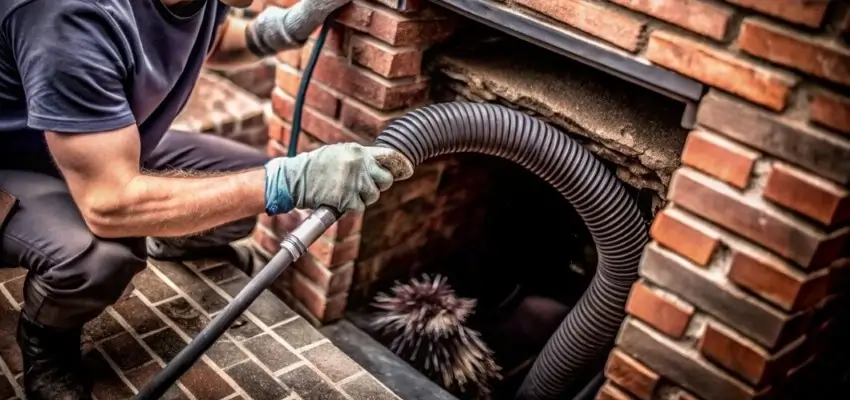
Less smoky smell, steadier flames: Chimney Cleaning around New Westminster
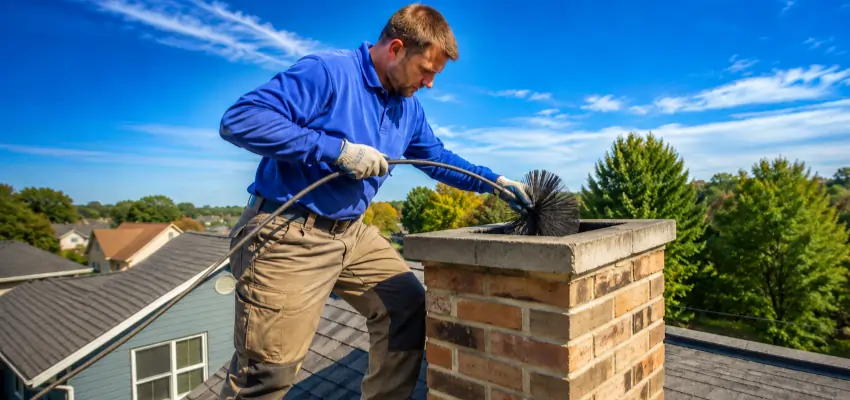
Your New Westminster fireplace, swept and checked: Chimney Sweep
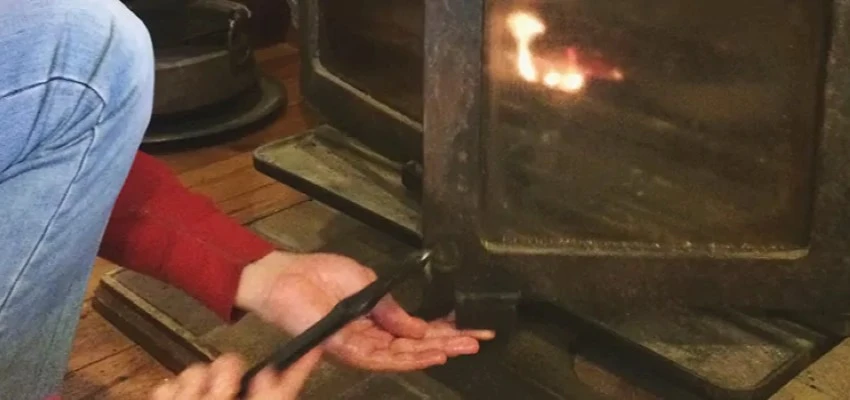
Swept and checked: Chimney Sweep Services in New Westminster
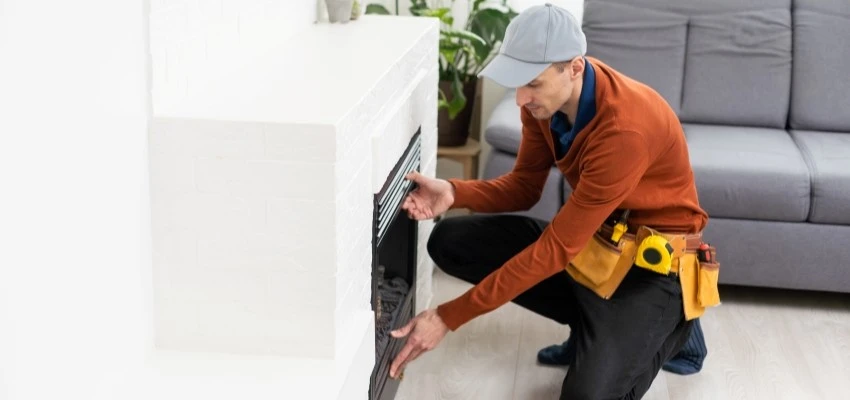
Wood units, stoves and inserts: Fireplace Experts serving New Westminster
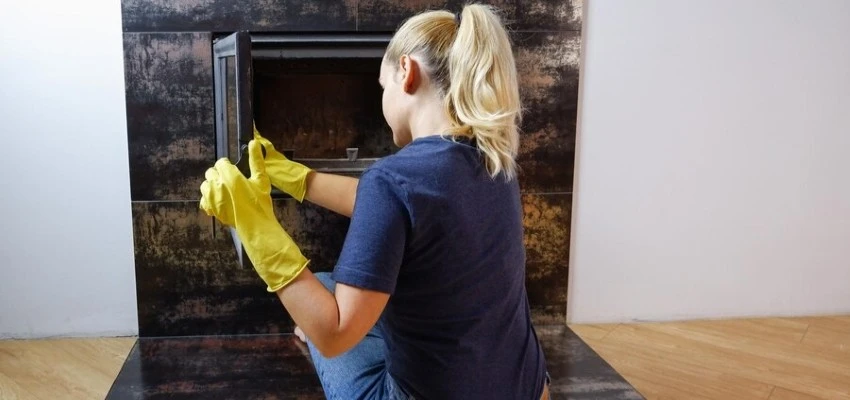
Fireplace smell at startup? Gas Fireplace Cleaning in New Westminster
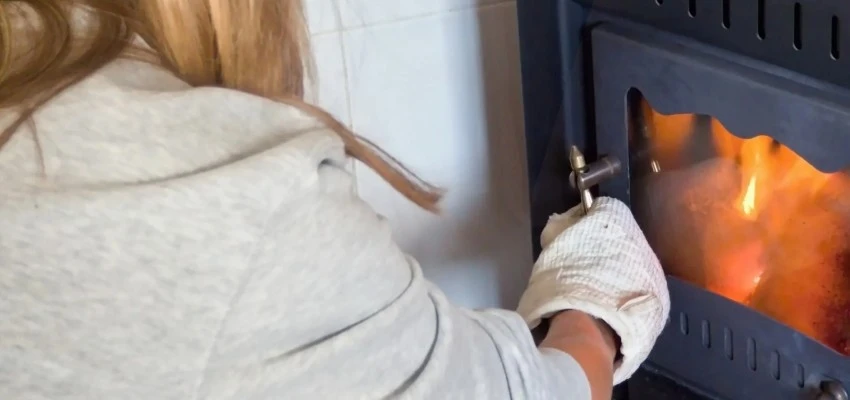
Slow to light? Gas Fireplace Maintenance near New Westminster

