
Booking is simple. Send your name, number and a short message, and someone will get back to you about Hearthstone Stoves Fireplace New Westminster
Clicking without a flame, a stove that will not hold a fire overnight, a smell you never noticed before: fireplace trouble usually starts with one small symptom. People in New Westminster who search for “hearthstone stoves fireplace” tend to have a specific problem in mind and a handful of general questions besides. Both are covered here, explained by technicians who open up gas and wood units every week, together with honest notes on what Hearthstone stove service can and cannot fix.

Usually, yes, provided the structure is healthy. When we assess an older unit, we look past the symptom to the shell: is the firebox intact, is the glass frame straight, are the vent connections solid? If those check out, repairing it is normally the sensible route. The picture changes when a gas control has been discontinued with no approved substitute, when steel has corroded from condensation, or when a stove has been overfired until its plates warped. In those cases we compare what it would take to keep it running with the option of replacing it, and the decision stays with you.
A rotten-egg smell, a strong smoky odor in the room, a bang or whoosh when the burner lights and a grinding blower are the ones to take seriously. If you smell gas, do not touch switches or the fireplace controls; leave the home and call your gas utility from outside. For a delayed, booming ignition or smoke that keeps escaping, stop using the unit and book a check. Some sounds and smells are normal, though: light ticking as metal heats and cools, and a paint or oil smell during the first fires after new parts are fitted. Working carbon monoxide alarms add an extra layer of protection.
Cloudy glass can be harmless or a clue, depending on its color. The chalky white film we see on gas fireplaces builds up gradually and mostly affects appearance, though left for years it can bake on for good. Black soot is the one we pay attention to, because carbon forms when the flame is not getting the air or gas mix it needs. That sends us to the burner ports, the log or media layout and the vent. On wood stoves, dark glass after every fire usually points to low air settings or firewood that has not dried long enough.
A repair visit usually follows a clear sequence, starting with diagnosis. The technician asks what you have noticed, reads the model and serial label and makes sure the unit is cool and safe to open. On a gas fireplace, that means watching the ignition sequence, inspecting the pilot, burner and venting and checking connections for leaks. On a wood unit, it means looking at seals, baffles, firebricks and the flue connection. Once the cause is found, you should hear what failed, what the fix involves and whether a part has to be ordered. Simple repairs are often finished the same visit.
Once a year suits most households, and we adjust from there. A gas fireplace that runs every evening through the colder months collects more dust in the burner and more wear on its ignition than one lit a few times a season. A wood stove used as a main heat source may need its flue swept more than once in a winter. We note what we find at each visit, such as how dirty the burner was or how much creosote came out, and suggest the next date from that. Your manual’s recommendation is the baseline; your usage fine-tunes it.

Prepare by letting the unit cool completely and clearing the space around it. Turn a gas fireplace off several hours before the appointment, and do not light a wood stove that day so the firebox is cold. Remove decorations, screens, rugs and anything stored on the hearth or mantel, and leave a clear path from the door. If the vent ends outside, make sure the technician can reach it. Have the manual and any past service paperwork ready, keep pets in another room and plan to be home to describe the problem and hear what was found.
Stone handles sudden heat less gracefully than steel, because it carries a little moisture and expands as it warms. That is why the manuals for many soapstone stoves describe a break-in routine: a few small fires, each slightly larger than the last, before running the stove hard. The same idea applies after a new panel is fitted or when the stove has sat unused through a damp summer. A roaring first fire can stress the stone and its seams. Once warmed through, the stove settles into the steady, even heat that draws people to soapstone, and ordinary use is fine.
Any experienced stove technician can, and Chimney Sweep New Westminster is one of them: an independent service company with no tie to the manufacturer. What should guide your choice after a “hearthstone stoves fireplace” search is how a company works. Expect questions about the model, whether the stove burns wood or gas and how it is behaving. On the visit, the technician should check gaskets, the stone or cast iron seams, the baffle area and the chimney connection, then explain what needs attention. Parts should match the list for your model, and any repair should be described before it begins.
Choose a company that asks the right questions before it arrives and explains its findings clearly afterward. A good sign is a request for the model and serial number, the fuel type and a description of the symptom. Ask whether they regularly work on units like yours, how they source parts for older models and whether quotes separate parts from labor. Read recent reviews for comments about clear explanations, tidy work and repairs that lasted. Be cautious of anyone who recommends replacing the whole unit without showing you why, or who will not say which parts they plan to use.

A recent look at the parts of a home buyers ask about can make a sale go more smoothly. We can fit Hearthstone stove service around showings, inspections or move-in dates. Tell us your timeline and we will plan around it.
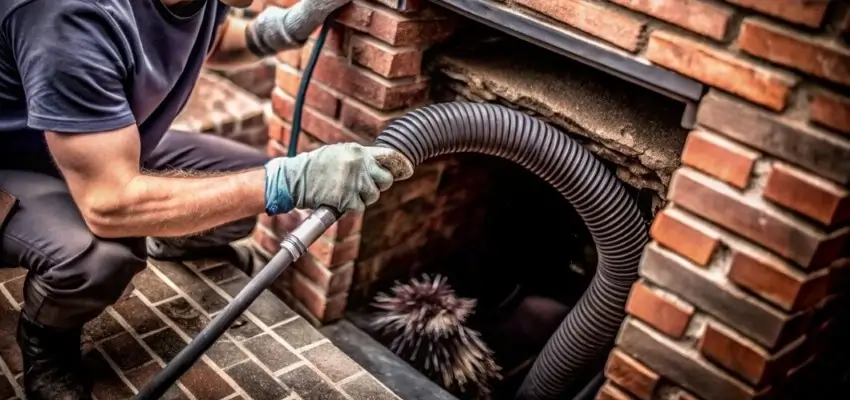
Less smoky smell, steadier flames: Chimney Cleaning around New Westminster
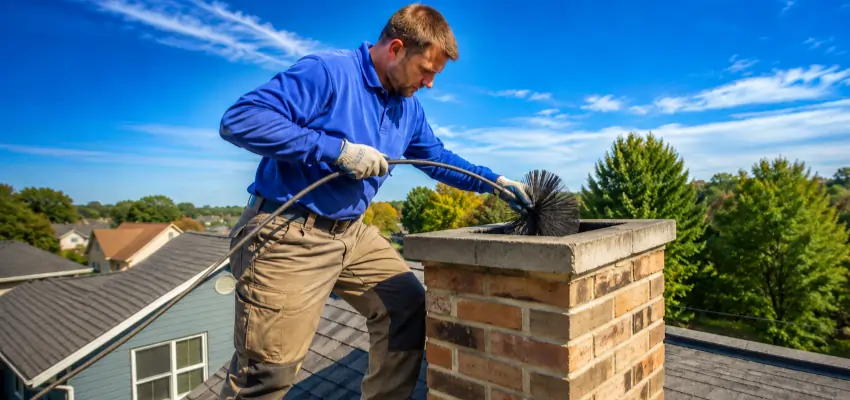
Your New Westminster fireplace, swept and checked: Chimney Sweep
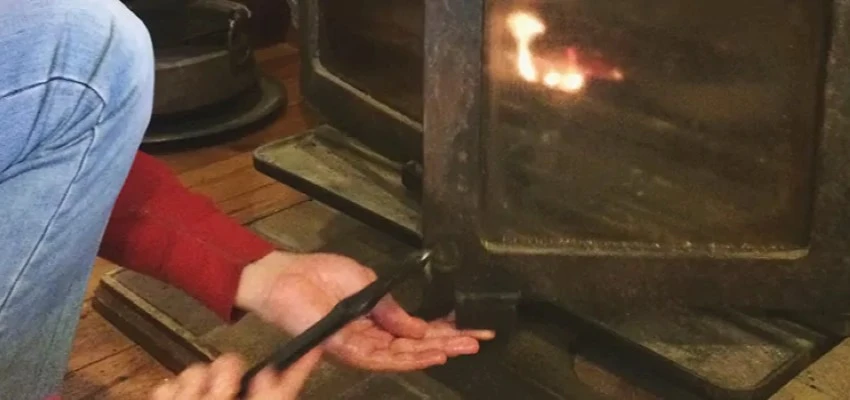
Swept and checked: Chimney Sweep Services in New Westminster
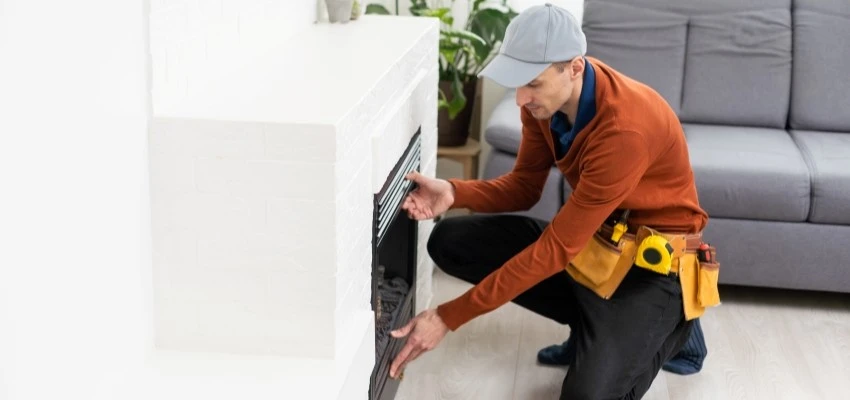
Wood units, stoves and inserts: Fireplace Experts serving New Westminster
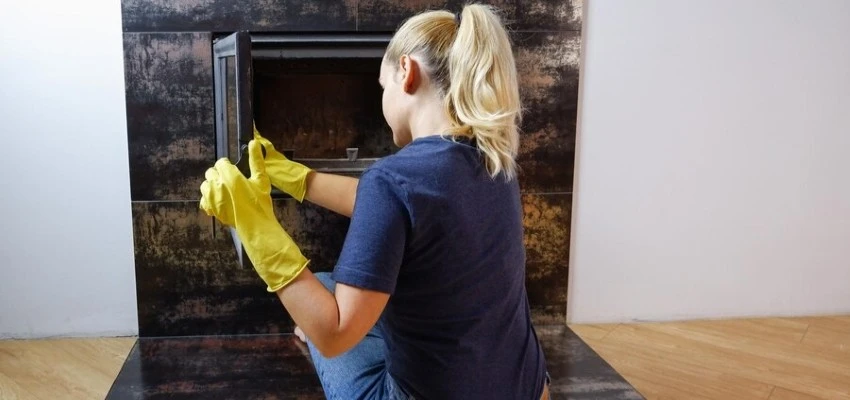
Fireplace smell at startup? Gas Fireplace Cleaning in New Westminster
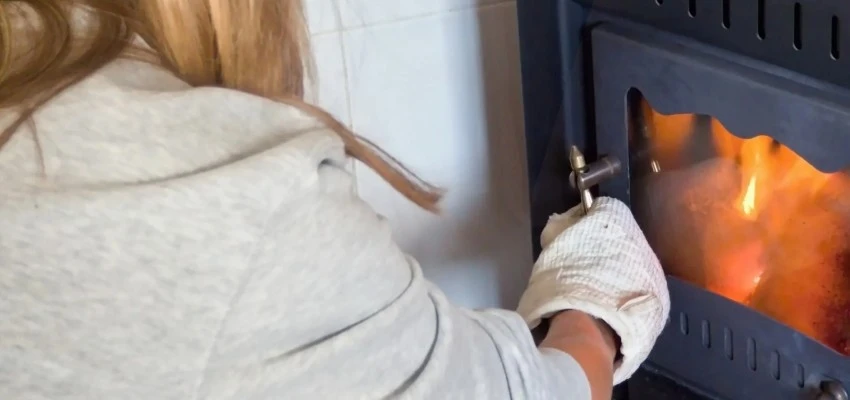
Slow to light? Gas Fireplace Maintenance near New Westminster

