
Quoted before we start
Booking is simple. Send your name, number and a short message, and someone will get back to you about HearthStone Gas Fireplace Repair New Westminster

Chimney Sweep New Westminster assigns a licensed gas technician to gas fireplace repair on this brand. A gas stove from a soapstone maker is still a gas appliance first: a pilot, a thermopile, a valve, a burner, and a sealed vent. What follows is how we test each of those on this brand's gas stoves and inserts, and which symptoms mean the stove should stay off until we arrive.
The visit starts by relighting a pilot that the timeout has closed, and only then does any diagnosis begin, because a stove that has simply timed out has nothing wrong with it. Once the pilot is burning we check that its flame wraps both the thermocouple and the thermopile. A millivolt reading is taken at rest and again with the burner running, since a tired thermopile shows up in the gap between those two numbers. A manometer on the valve's test port confirms inlet and manifold pressure for the fuel on the plate, and leak solution goes on each fitting between the stove's shut-off and the burner.
The second half of the visit is the burner and the enclosure. Ports are cleared and the log set is checked against the layout in the manual so the flame does not impinge on a log and soot it. The glass gasket is then inspected for the compression it needs to keep the firebox sealed. The vent termination outside gets the last look, and the flame is photographed with the stove on high as a reference for next year.
The classic gas stoves from this maker run on the SIT 820 Nova ignition system, which closes the pilot after a week with no call for heat so gas is not burned all summer for nothing. The practical effect is that the first cold evening of the year in New Westminster produces a stove with no pilot and an owner who assumes it has broken. Relighting follows the sequence on the instruction plate, and a pilot that lights and holds needs no further attention.
The feature does shape real repairs, though. A pilot that has been off for months gives dust and insects time to settle in the pilot hood. The first relight of autumn is when a part-blocked pilot shows itself as a small, lazy flame that will not hold the thermocouple hot. A stove that relit fine last year and refuses this year is usually a cleaning rather than a parts job. We ask owners to try the relight before booking and tell us exactly what happened.

Gas fireplace repair complaints on these stoves fall into a short list, and each entry below points to the part we test first. Homeowners across New Westminster describe these more than any others.
Pilot will not relight after the summer - the timeout closed it and the orifice has gathered dust; a relight per the manual usually works, and a pilot that lights but will not hold means the thermocouple is next.
Burner drops out once the stove body is warm - a thermopile that passes a cold test and fails a hot one, which is why both readings are taken.
Flame sits low even with the control on high - manifold pressure under the figure on the plate, or a regulator set up for the other fuel.
Wall thermostat calls but the stove ignores it - a long or corroded millivolt thermostat run dropping the signal below what the valve needs to open.
Blue flame with no yellow tips - a log set lifted off its pins during a cleaning and put back where it no longer shapes the flame.
Gas smell with the stove off - close the shut-off valve, open a window, leave the room, and call; this is never a wait-and-see symptom.

A HearthStone direct-vent gas stove takes its combustion air from outside and returns its exhaust through the same coaxial pipe, so the sealed path from the stove collar to the termination cap is the whole safety system. A horizontal termination near grade is the one that gets buried in a snowbank or blocked by a shrub, and a cap that cannot breathe gives a stove that starts well and then sulks as the firebox starves. We check cap clearance to windows and grade, the seal at the collar, and the condition of the glass gasket on every repair.
Because these stoves share a home with a wood stove more often than not, a carbon monoxide alarm belongs on each floor that has a fuel-burning appliance. An alarm that sounds while the gas stove is running means switch it off and ventilate before calling anyone. A gas stove whose termination is kept clear and whose gasket is renewed when the glass comes off keeps its valve and burner working through many heating seasons.
Autumn is the busy time for this brand's gas stoves in New Westminster because the timeout sends every idle pilot out at once, so a stove that will not relight is worth reporting early rather than on the first cold night. Have the model number from the plate behind the lower access panel and the fuel type ready, and tell us whether the pilot lights at all. We hold the gas licence and insurance the work requires, and a gas fireplace repair on one of these stoves is usually a single visit.
Ring (778) 488-0837 to book a technician. If you would rather write, contact us with the plate photo and a note on the pilot, and Chimney Sweep New Westminster will confirm the date and bring the thermopile and pilot parts for your model.
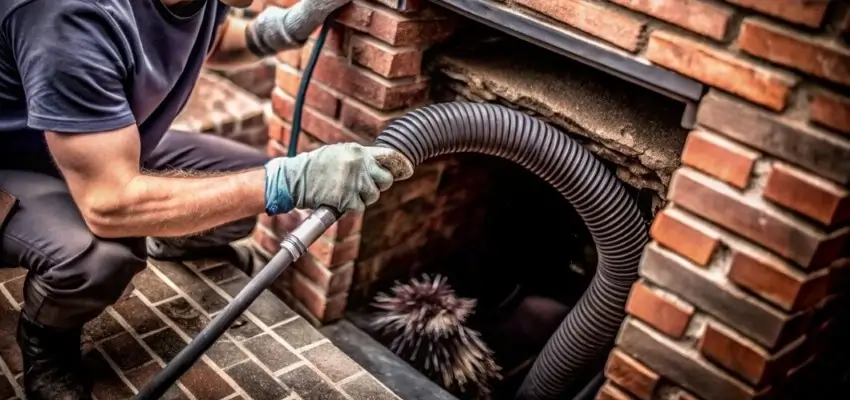
Less smoky smell, steadier flames: Chimney Cleaning around New Westminster
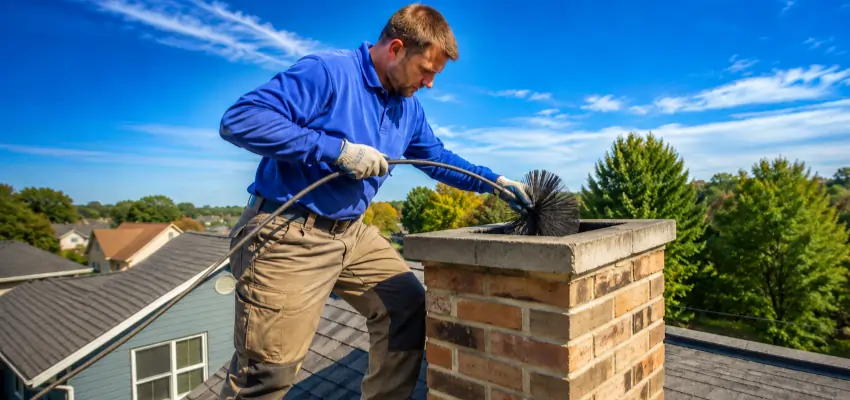
Your New Westminster fireplace, swept and checked: Chimney Sweep
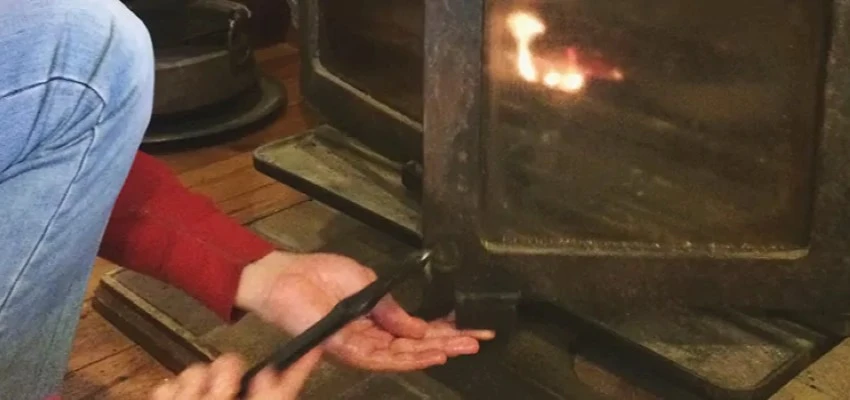
Swept and checked: Chimney Sweep Services in New Westminster
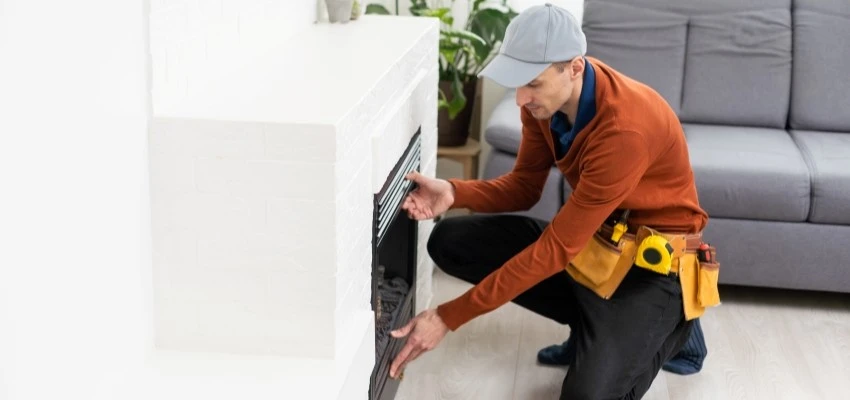
Wood units, stoves and inserts: Fireplace Experts serving New Westminster
Fireplace smell at startup? Gas Fireplace Cleaning in New Westminster
Slow to light? Gas Fireplace Maintenance near New Westminster

