
Booking is simple. Send your name, number and a short message, and someone will get back to you about Gas Fireplace Repair New Westminster
A gas fireplace is supposed to be the easy kind of fire: press a button, enjoy the flame, switch it off. When it hesitates, sputters or refuses to start, the questions pile up quickly. If you searched for “gas fireplace repair”, this page gathers the answers homeowners around New Westminster ask most often, written in plain language. You will find how these units work, what a technician looks at on a typical gas fireplace troubleshooting and repair visit and which simple checks you can make without touching any gas parts.

In our experience, a pilot that will not stay lit is almost always a sensing problem. The thermocouple or thermopile has to sit in the pilot flame and get hot enough to hold the gas valve open. If the flame is small, yellow or bent away by debris, the sensor cools and the valve closes. We also find sensors that have simply worn out, loose connections at the valve and, on propane systems, low supply pressure. Cleaning the pilot head, checking its flame pattern and testing the sensor output usually reveals which it is. Repeated relighting without that check just postpones the repair and is not something we recommend.
A short delay is normal on many fireplaces with electronic ignition, because the system first proves the pilot before opening the main burner valve. That sequence often takes a few seconds and may include clicking. A delay that grows longer over time, many clicks before lighting or a soft whoomp when the burner catches suggests a problem: weak batteries, a dirty igniter or pilot, or a flame sensor that is slow to confirm the flame. On some remote systems, a weak handheld signal adds a pause too. Note how long the delay lasts and whether it has changed, and share that when you book a visit.
Good flames rise evenly from the burner ports, dance a little and stay clear of the glass, and we judge them by shape and steadiness as much as by color. When flames roll toward one corner, the vent may be drawing unevenly or a gasket may be letting air in. Flames that are short and pale often mean the burner is not getting full gas pressure, while tall, dirty-orange flames that leave soot suggest too little air. Comparing what we see with the description in the owner’s manual tells us whether the fire is behaving as intended or needs correction.
Gas fireplace logs should be arranged exactly as the manufacturer’s diagram shows, because each log is shaped and placed to sit clear of specific burner ports. The diagram is usually in the owner’s manual, and many logs have notches or pins that match marks on the grate. Moving a log even slightly can push flames into it, which leads to soot and poor burning. The same goes for embers and decorative media: a thin layer in the right spots looks good, while too much can block the gas flow. If a log is cracked, crumbling or missing, ask for a replacement made for your model.
Repair or replacement comes down to three things we check before recommending either path: the condition of the firebox and burner, whether parts are still available and how the fireplace has behaved over recent seasons. A solid unit with one failed part is almost always worth fixing. A unit with a corroded burner, a warped firebox or a discontinued valve is a different conversation, since each repair may cost more and buy less time. We also consider venting, because a new fireplace may need changes there too. Whatever we find, we lay out both options plainly and leave the decision with you.

For gas control parts, the safest approach is to use the part the manufacturer specifies for that model. Valves, pilot assemblies, burners, glass and gaskets are matched to the design and fuel of the fireplace, and substitutes can affect safety and combustion. Some components, such as universal remotes on simple systems, can be suitable, but a technician should decide where that is acceptable. Older or discontinued models sometimes have approved replacement parts from the maker. Ask any company quoting your “gas fireplace repair” which parts it plans to use and why.
Our advice is simple: if the problem involves flame, gas, glass or exhaust, the fireplace stays off. Those symptoms can mean incomplete combustion, a leak or a breach in the sealed firebox, and none of them are worth the risk. If the issue is purely about convenience, such as a remote that needs a second press or a blower that rattles, careful use until the visit is generally reasonable. Either way, keep children and pets away from the glass, test your carbon monoxide alarms and note what you observe, because those details help us pin down the cause.
Alarms belong near bedrooms and on every floor, and we ask about them at nearly every gas fireplace visit because they are the only reliable way to know if exhaust ends up indoors. A well-kept, properly vented fireplace should not cause a problem, but vents can be blocked by nests and seals can fail without warning. In the homes we visit, the gaps we see most are alarms missing from bedroom hallways, units with dead batteries and alarms well past their replacement date. Pressing the test button once a month takes seconds. Combination smoke and carbon monoxide alarms are a convenient choice where only one device fits.
Compare the diagnosis behind each quote first, since most differences between repair quotes come down to it. One technician may quote a new valve because the fireplace will not light; another may have tested the sensor and found that a far smaller part is the real cause. When you line quotes up, ask each company how it reached its conclusion and what it measured. Check whether the visit fee is credited toward the repair, how long the part will take to arrive and whether the price covers the final leak check and test burn. The quote with the clearest reasoning is usually the one to trust.

We work in the neighborhoods around New Westminster every week, so we know the housing styles and the problems they tend to have. That local experience shapes every visit. Schedule gas fireplace troubleshooting and repair with Chimney Sweep New Westminster at a time that suits you.
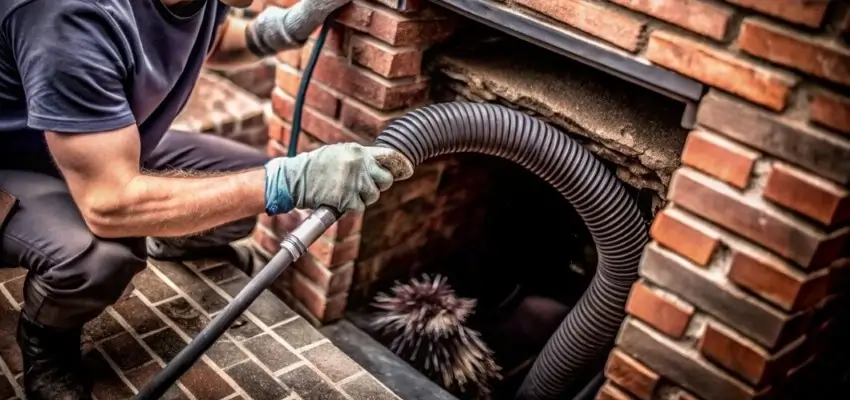
Less smoky smell, steadier flames: Chimney Cleaning around New Westminster
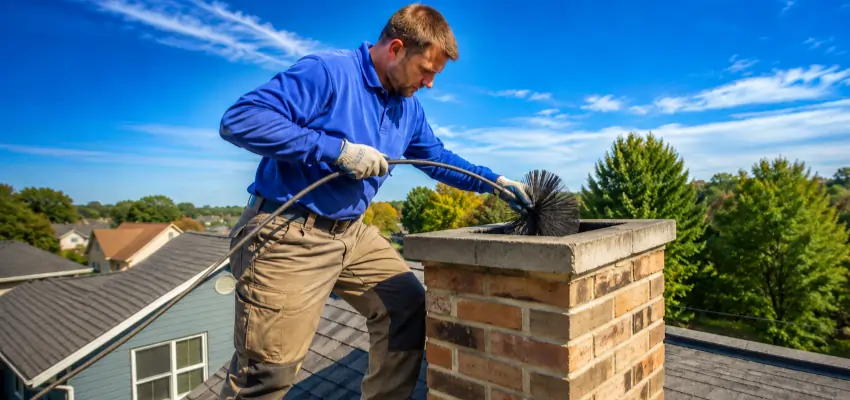
Your New Westminster fireplace, swept and checked: Chimney Sweep
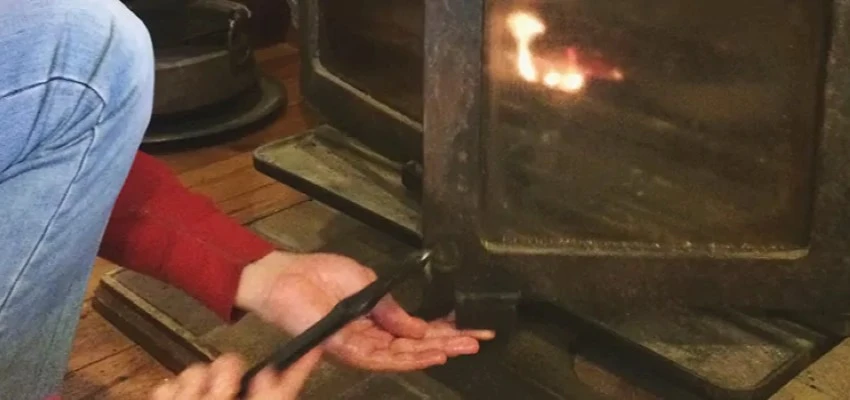
Swept and checked: Chimney Sweep Services in New Westminster
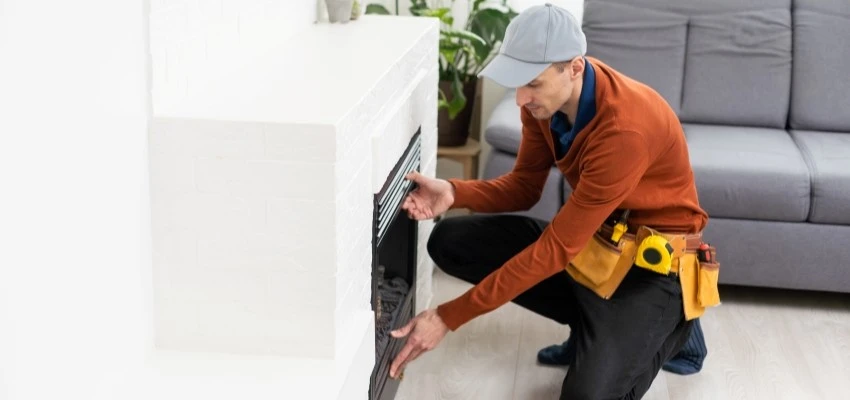
Wood units, stoves and inserts: Fireplace Experts serving New Westminster
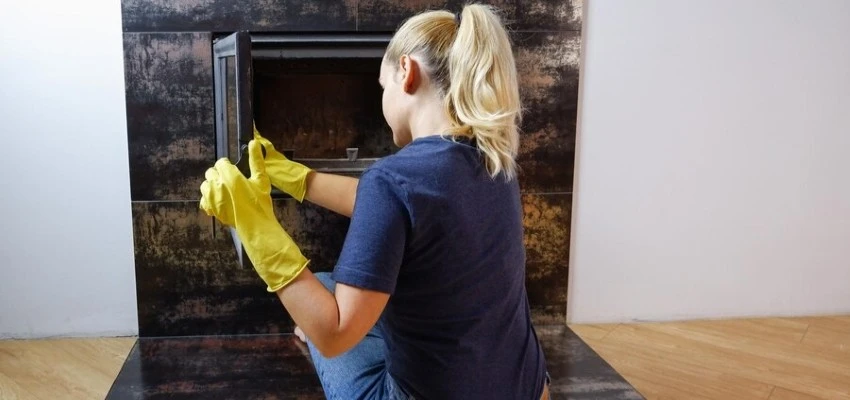
Fireplace smell at startup? Gas Fireplace Cleaning in New Westminster
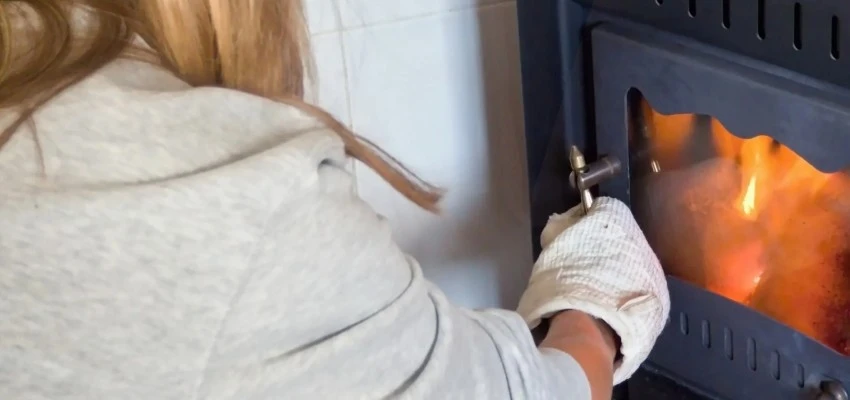
Slow to light? Gas Fireplace Maintenance near New Westminster

