
Booking is simple. Send your name, number and a short message, and someone will get back to you about Gas Fireplace Maintenance New Westminster
Convenience is the reason most people choose gas: no logs to carry, no ashes to scoop and warmth at the touch of a switch. That convenience still depends on a valve, an ignition system, a vent and a handful of small parts that need occasional care. Homeowners in New Westminster who look up “gas fireplace maintenance” usually want to know what is normal, what is not and when to call for help. The answers below cover annual gas fireplace service in practical terms, with safety notes wherever they matter.

Yes, a gas fireplace can produce carbon monoxide if the gas does not burn cleanly or the exhaust cannot leave the house properly. A blocked vent, a damaged gasket, logs knocked out of position or a burner clogged with debris can all contribute. Carbon monoxide has no color or smell, so you will not notice it on your own. Keep working carbon monoxide alarms on each level of the home and near bedrooms, test them regularly and have the fireplace serviced on a schedule. If an alarm sounds, get everyone outside into fresh air and call 911 from there.
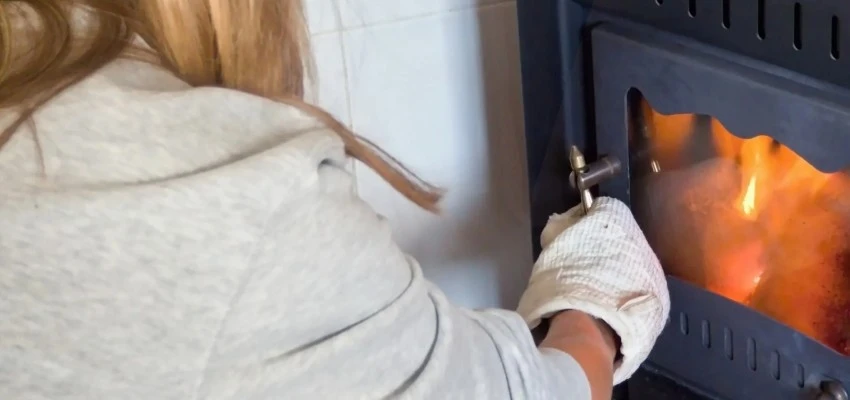
A fireplace that will not light has a break somewhere in the chain of signal, spark, pilot and main burner, so we check those links in that order. A surprising number of no-start calls end with fresh batteries in a receiver hidden behind the lower panel. Next we watch for a spark or a glowing igniter; clicking with no flame often points to a dirty or misaligned igniter, or to gas not reaching the pilot. If the pilot lights but the burner never follows, the sensor or the valve may be at fault. Every step after the remote, the wall switch and the batteries involves gas components, so that part of the checking should be left to a technician.
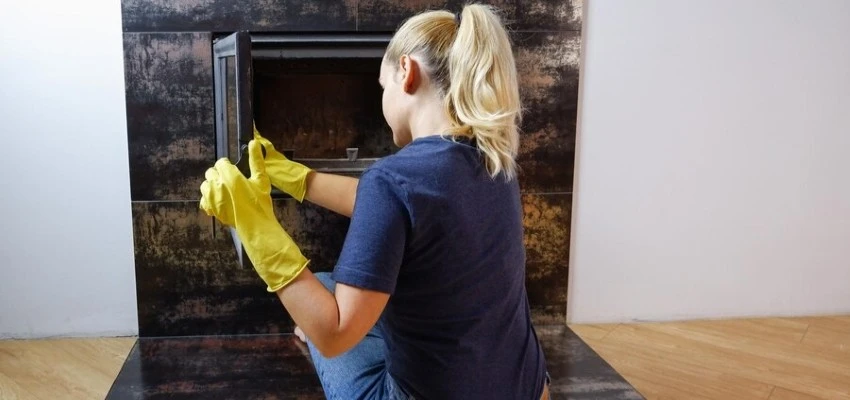
A service includes a running check, a full clean, sensor and leak tests and a final burn, always in the same order so nothing gets skipped. First we look at the fireplace running, because the flame tells us a lot before any tools come out. Then we shut it down, let it cool, lift off the glass and vacuum the firebox, burner tray and control compartment. The pilot assembly gets cleaned, the sensor output is measured and the logs or media are reset to the diagram. We check the glass gasket, test accessible fittings for gas leaks and look at the vent cap from outside. A final burn confirms everything, and then we tell you what we found.
Most gas fireplace repairs involve the pilot assembly, a thermocouple or thermopile, the igniter, a remote receiver, the control valve or the glass and its gasket, and each one starts with confirming the exact fault. The part responsible is then cleaned or replaced and the whole unit is tested afterward. Some faults turn out to be simple, such as dead batteries or a switched-off receiver. Parts should match the make and model, since gas components are not interchangeable from one fireplace to the next. A sound repair ends with a leak test and a full burn cycle.
A routine gas fireplace service usually takes about an hour, sometimes a little longer for a large unit or one that has not been cleaned in years. Repairs vary more. A simple part swap may fit into the same visit, an intermittent fault can take longer to track down, and a part that has to be ordered means a second appointment. The fireplace also needs time to cool before the glass can come off, so if it has been running, switch it off well before the technician arrives. Plan to be home for the whole visit and for the final test run.

Two things drive most of the price we give: time on site and parts. A clean, accessible fireplace that only needs routine service is quick. Diagnosis takes longer when a fault comes and goes, because we may need to run several cycles to catch it in the act. Parts are the other big variable, and they depend entirely on the make and model printed on the rating plate. Some components are widely stocked; others have to be ordered in. We would rather walk you through those factors before starting than surprise anyone afterward, so we ask about the fireplace and its symptoms first.
It depends on the fireplace. Many newer models have electronic ignition and no standing pilot, so the question does not apply, and some electronic systems offer a mode that switches between a continuous pilot and one that lights only when needed. With a standing pilot, some owners keep it lit year-round, which keeps the firebox dry and discourages insects, while others prefer to have it shut off during the warm months to save gas. Turning it off and relighting it correctly is part of the gas controls, so the simplest approach is to have your technician shut it down at a spring visit and relight it during the fall service.
When we finish, the fireplace should behave the way it did when it was new, or close to it: quick ignition, even flames, no soot and a smooth shutdown. We relight it with you present and walk through anything we adjusted or replaced. If we measured a sensor that still works but is getting weak, we say so, since it may be the next part to fail. The glass should be clear, the logs set to the diagram and the access panel secured. If anything about the fire looks different in the following weeks, call and describe it rather than holding off until next year.
A simple routine splits the year into a few small habits and one professional visit. Before the cooler months, book the yearly service, replace remote and receiver batteries and test your carbon monoxide alarms. During the season, glance at the flames and glass now and then, keep the hearth area clear and vacuum the outside louvers once or twice. In spring, look at the outdoor vent cap for nests or overgrown plants and note anything that seemed off during the winter. That rhythm keeps “gas fireplace maintenance” manageable, and most of it takes only minutes.

Every home is a little different, so your situation may raise a question that is not on this page. Call us at (778) 488-0837 and describe what you have noticed. We can talk through the options for your gas fireplace and set up a visit anywhere around New Westminster if it makes sense.
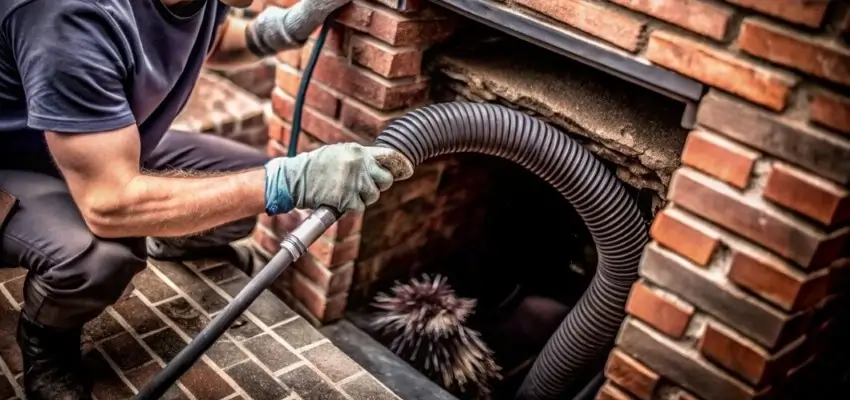
Less smoky smell, steadier flames: Chimney Cleaning around New Westminster
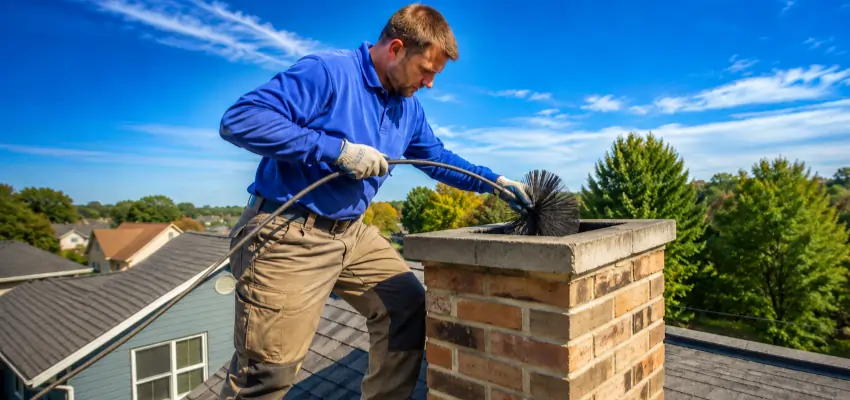
Your New Westminster fireplace, swept and checked: Chimney Sweep
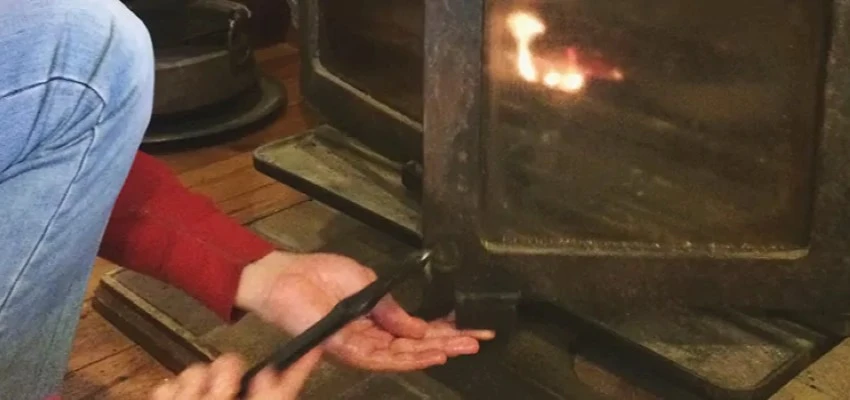
Swept and checked: Chimney Sweep Services in New Westminster
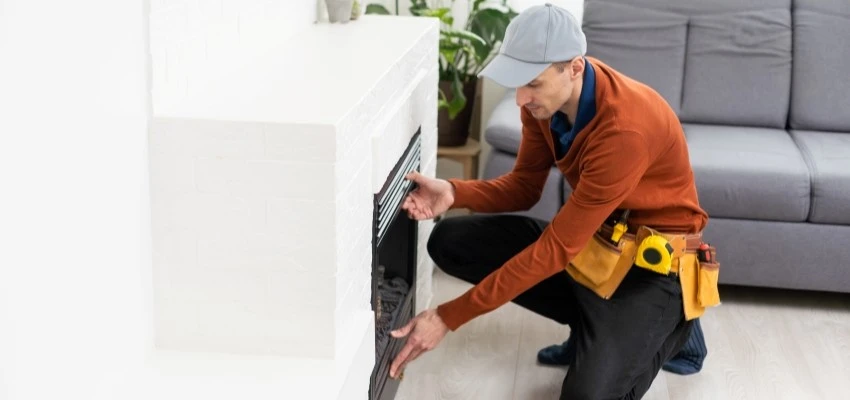
Wood units, stoves and inserts: Fireplace Experts serving New Westminster
Fireplace smell at startup? Gas Fireplace Cleaning in New Westminster
Slow to light? Gas Fireplace Maintenance near New Westminster

