
Booking is simple. Send your name, number and a short message, and someone will get back to you about Gas Fireplace Cleaning New Westminster
Reliable information gets surprisingly hard to find once you start reading about gas fireplaces online. Some advice is really written for wood-burning fireplaces, some covers a single brand and some glosses over safety entirely. For homeowners in New Westminster who looked up “gas fireplace cleaning”, this page sticks to what applies to most gas units: how they work, what tends to wear out and what gas fireplace tune-up and cleaning involves from the first phone call to the final test burn.

It can, and that possibility is why we treat venting and flame quality as safety checks rather than cosmetic ones. A sealed direct-vent unit draws its air from outdoors and pushes exhaust back out, so room air stays separate as long as the glass seal and vent joints are sound. Trouble starts when a vent cap is blocked, a pipe joint separates or the flame is disturbed enough to burn poorly, which often shows up as soot. During service we inspect those points and watch how the fire burns. We also remind every household to keep carbon monoxide alarms working, because they catch what nobody can see.
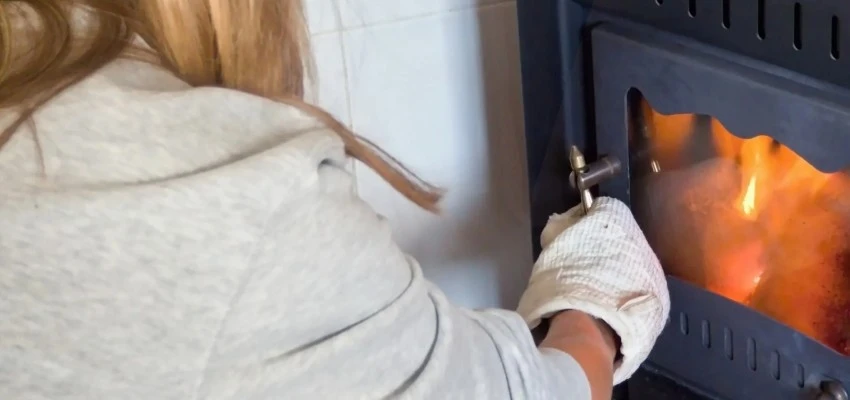
A gas fireplace works by sending a measured flow of gas to a burner, where a pilot flame or an electronic igniter lights it behind a glass front or screen. A control valve decides how much gas reaches the burner, and a safety sensor closes that valve if no flame is detected. On most models, a vent carries exhaust outdoors and brings in fresh air for combustion. Ceramic logs, stones or glass media sit on top of the burner to shape the flames. A wall switch, thermostat or remote tells the valve when to open, which is why the fire responds within seconds of the button being pressed.
Treat any gas smell as real until it is proven otherwise; that is the rule we follow ourselves. Faint or strong, the response stays the same: walk out, take everyone with you and make the call from outside, well away from the house. Switches, doorbells, phones and even the fireplace remote can create a small spark, so leave them alone. Once the utility has checked the home, we can look for the cause at the fireplace, which is often a loose fitting, a worn connector or a valve that no longer seals. The fireplace stays off until that repair is made and a leak test passes.
Most remotes that stop working have a simple cause, usually power or pairing, and remote complaints are among the most frequent calls we get. Receivers are often tucked into the warm space under the firebox, and their batteries drain faster there than people expect. A handheld that was dropped, or fresh batteries inserted the wrong way round, can also lose its link. We check battery voltage at both ends, confirm the receiver switch setting and resynchronize the pair. If that fails, we test whether the valve responds when the receiver is bypassed, which tells us whether the fault lies in the remote system or in the fireplace itself. Sometimes a worn receiver simply needs replacing.
Repairing a gas fireplace starts with diagnosis, which is most of the job. We start by asking what the fireplace did before it failed, then watch it attempt to light while checking voltages, spark and gas flow at each stage. That sequence usually narrows the problem to one component fairly quickly. The culprits we replace most often are pilot sensors, igniters, battery packs and remote receivers, followed by valves and glass gaskets. We note the details from the rating plate so any part we order fits correctly. Once the repair is done, we relight, test the safety shutdown and leak-check every fitting we touched.

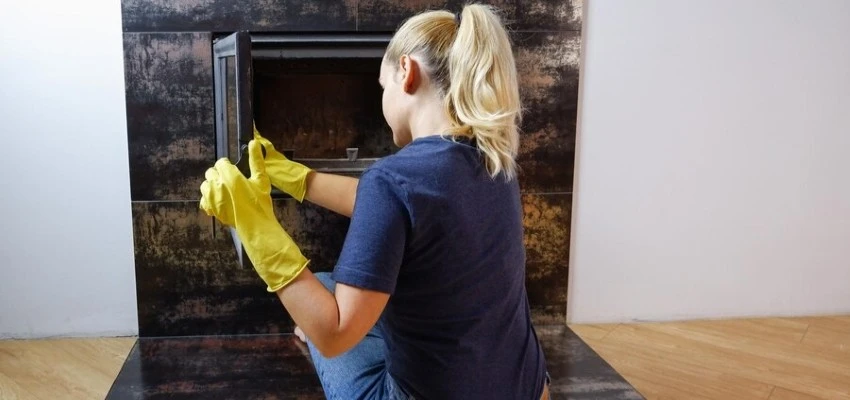
Cleaning usually covers the glass, the firebox interior, the logs or decorative media, the burner surface, the pilot assembly and the area around the controls, plus the louvers and any fan. Other parts are inspected rather than cleaned: the gasket around the glass, the gas connections, the vent and its outdoor cap, the safety sensors and the ignition. That split matters, because a visit described only as “gas fireplace cleaning” may or may not include the testing side. Ask whether the price covers both, since a sparkling fireplace with an untested safety shutdown is only half the job.
Repairing a gas fireplace is usually the sensible choice when the firebox, burner and venting are in good shape and the problem is a replaceable part such as a sensor, igniter or valve. Replacement starts to make sense when parts are no longer available, when repairs keep coming back, or when the firebox is cracked, rusted through or damaged by heat. Some owners also replace an older unit to gain features such as a remote, a thermostat or more heat. Ask the technician to explain the condition of the main components, not only the part that failed, so you can weigh the repair against a new unit.
Wait until the fireplace is off and completely cool, then use a vacuum with a soft brush attachment on the outside louvers and grilles above and below the glass. Many fans draw air through the lower louver, so dust there affects how quietly the fan runs and how well it moves warm air. Wipe painted surfaces with a dry or barely damp cloth. Do not reach into the control compartment, remove panels that expose gas parts or spray cleaners into the openings. If the fan is noisy or the lower area is heavy with pet hair, leave the deeper cleaning for your next service visit.
A local company is often the practical choice for gas fireplace work because it can come back easily if a part has to be ordered or a fault reappears. Many repairs take two visits, one to diagnose and one to install, and a short drive makes that simpler to schedule. Nearby technicians also get to know the fireplace styles common in surrounding neighborhoods, which can speed up diagnosis. Before booking, confirm that the company works in your area itself rather than passing the job along, and ask how follow-up questions are handled once the visit is over.

Once you know the work is due, the next step is simple. Tell us a little about your gas fireplace and the days that suit you, and we will suggest a time that works. Request a quote and the Chimney Sweep New Westminster team will follow up with details.
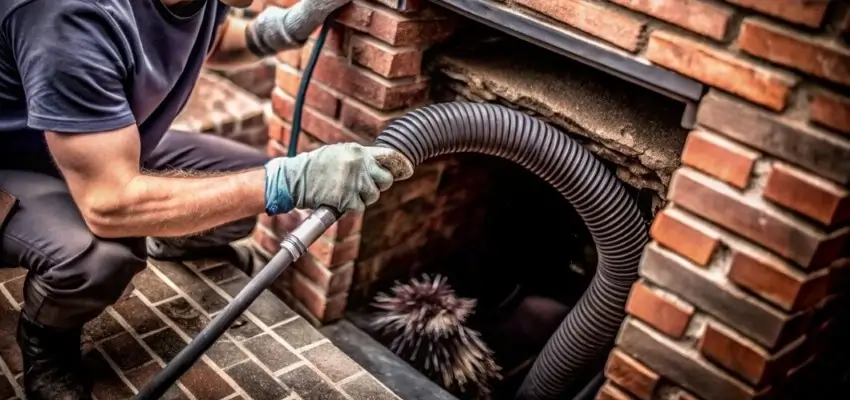
Less smoky smell, steadier flames: Chimney Cleaning around New Westminster
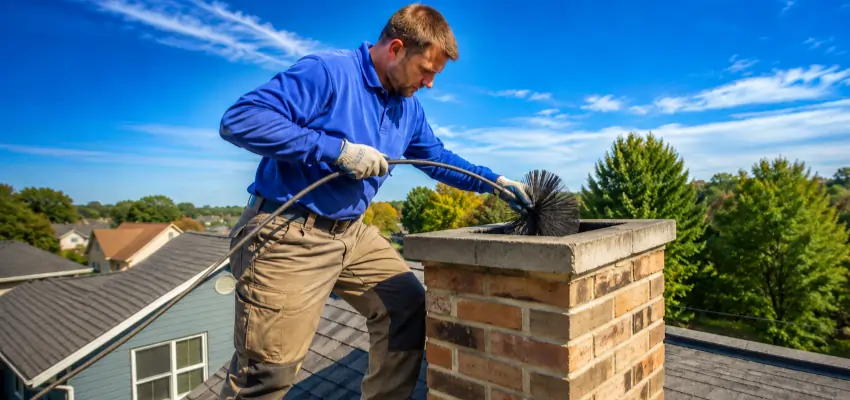
Your New Westminster fireplace, swept and checked: Chimney Sweep
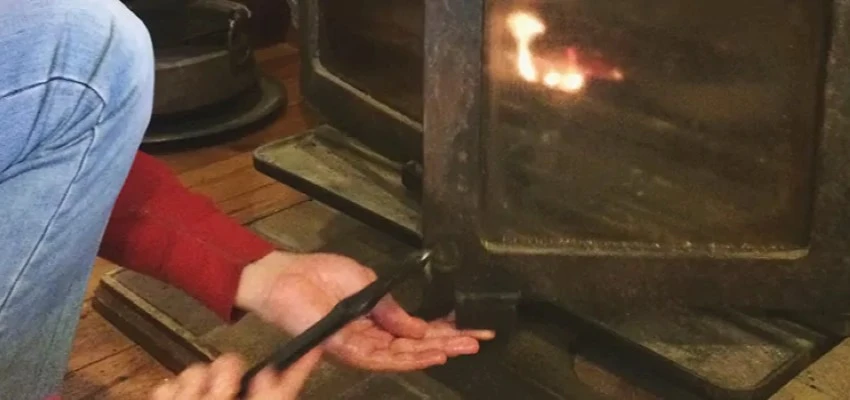
Swept and checked: Chimney Sweep Services in New Westminster
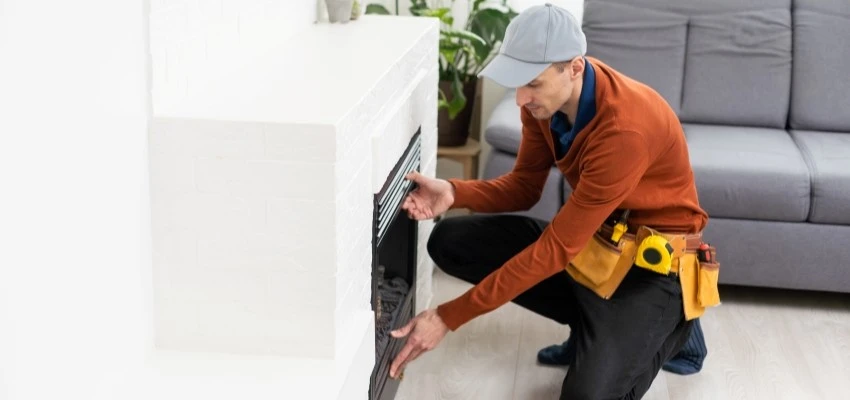
Wood units, stoves and inserts: Fireplace Experts serving New Westminster
Fireplace smell at startup? Gas Fireplace Cleaning in New Westminster
Slow to light? Gas Fireplace Maintenance near New Westminster

