
Booking is simple. Send your name, number and a short message, and someone will get back to you about Flue Tiles Cracked Repair New Westminster
Information about chimneys is scattered across product sheets, forum threads and sales pages. This page gathers the common questions about flue tile repair in one place for homeowners in New Westminster, answered the way a technician would explain them on site. Whether you found it through “flue tiles cracked repair” or a friend’s recommendation, it should leave you better prepared for the conversation with any chimney company.

A chimney flue is the passage inside the chimney that carries smoke and combustion gases from the fireplace, stove or furnace up and out of the house. In masonry chimneys it is usually lined with clay tiles or a metal liner; in factory-built systems it is an insulated metal pipe. The chimney is the whole structure, while the flue is the channel inside it, and one chimney may contain several flues serving different appliances. A flue must be the right size, sealed and clear to draw well and keep heat away from the framing of the house.
The clearest signs are water, debris and smoke where they do not belong. Watch for damp stains near the chimney, flakes of tile or brick in the firebox, rust on the damper or cap, a fireplace that smokes into the room and loose or leaning pieces at the top of the chimney. Outside, white staining on brick, gaps in mortar and plants or moss growing on top are worth noting. Any smell of smoke in rooms next to the chimney, or a carbon monoxide alarm, means stop using the appliance and have it checked before it is lit again.
It is not recommended. Cracked or gapped tiles can let heat reach the masonry and nearby wood framing, and they can let smoke and gases seep into the walls or other flues. A small crack may look harmless, but you cannot judge its depth or the condition of the tiles above it from the fireplace. Until the flue has been inspected and repaired, keep the fireplace or appliance on that flue out of use, and make sure carbon monoxide alarms are working. Homeowners researching “flue tiles cracked repair” usually find the inspection is quick and the options are clear once the footage is reviewed.
Expect the crew to arrive, confirm the plan with you and protect the work area before anything else. Inside, that usually means drop cloths around the fireplace and sometimes plastic sheeting over the opening. Outside, ladders or roof equipment are set up and the area below the chimney is kept clear. The main work then follows the agreed scope, with pauses for materials to set if masonry or coatings are involved. At the end, the crew should clean up, show you the finished work or photos of it and explain any care instructions, including when the fireplace can be used again.
By resurfacing, relining or, near the top, replacing tiles, depending on what the camera shows. A few hairline cracks or open joints in an otherwise sound flue can often be resurfaced with a refractory coating, applied from top to bottom and checked on video afterward. Broken, shifted or missing tiles usually call for relining: a stainless liner sized to the appliance and dropped inside the old flue, or a poured liner that fills and seals the gaps. Pulling out tiles lower down is rarely practical. Whatever the method, we show you before and after footage so you can see what changed.

Anywhere from a short visit to several days, and we plan it around the size of the job, the access and the materials. A repellent on a dry, accessible chimney or a single pot swap is quick. A new liner or a prefab chimney through a finished ceiling and roof usually fills a day. A remodel that changes the height or face of a masonry chimney is measured in days, partly because new work has to cure before the next layer goes on. We also watch the forecast, since rain and frost decide when masonry and coatings can be done well.
Not always. When damage is limited to a few hairline cracks or open joints and the rest of the flue is sound, resurfacing with a heat-resistant coating can be enough. When several tiles are broken, shifted or missing, or when the flue also needs resizing for a new appliance, a full stainless or cast-in-place liner is usually the more reliable fix. Cost, the appliance and the flue’s overall condition all play a part. Ask the company handling your flue tile repair to show you the footage and explain why it chose one approach over the other.
We need three things from you: a cold appliance, a clear path and good information. Cold means no fire or stove use for a day or so, so we can work in the flue safely. A clear path covers the hearth, the route through the house and the ground where ladders go. Good information includes gate codes, where the attic hatch is, any pets at home and anything fragile on the roof, such as skylights. With those sorted, setup goes quickly and the crew can spend its time on the chimney rather than moving patio chairs.
Share the chimney’s material and height, the appliances it serves and your goal, because the more we know before arriving, the more useful the first visit is. Photos taken from the ground, along with one of the fireplace or stove and any nameplate on it, often tell us which parts may be needed. If a home inspection report or an earlier quote mentions the chimney, send that too. We would rather spend five minutes on the phone than make a second trip for a part we could have brought the first time, and you get a firmer estimate sooner.

We are glad to explain the process, the likely timing and what affects the price before you decide anything. Most people find that a few minutes of conversation answers the questions this page could not. Send us a message and we will reply with clear next steps.
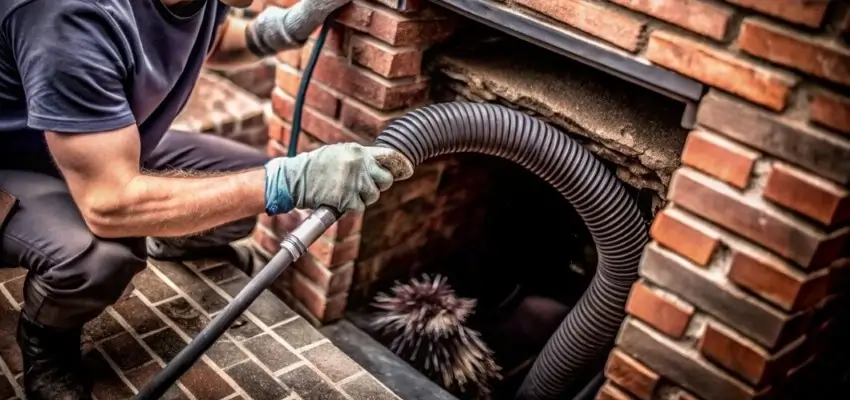
Less smoky smell, steadier flames: Chimney Cleaning around New Westminster
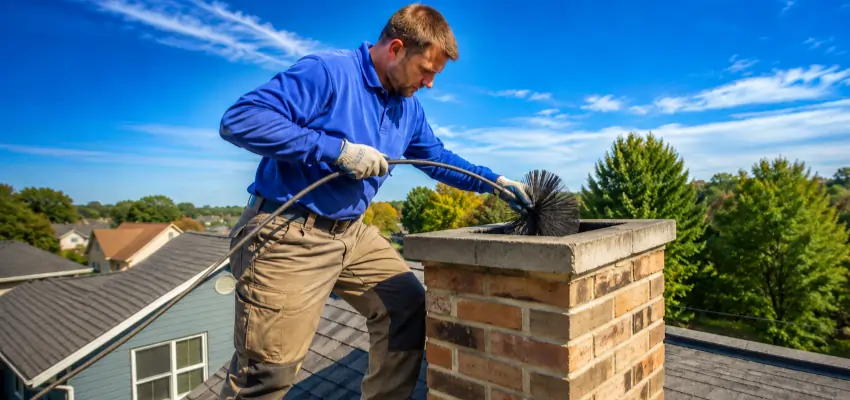
Your New Westminster fireplace, swept and checked: Chimney Sweep
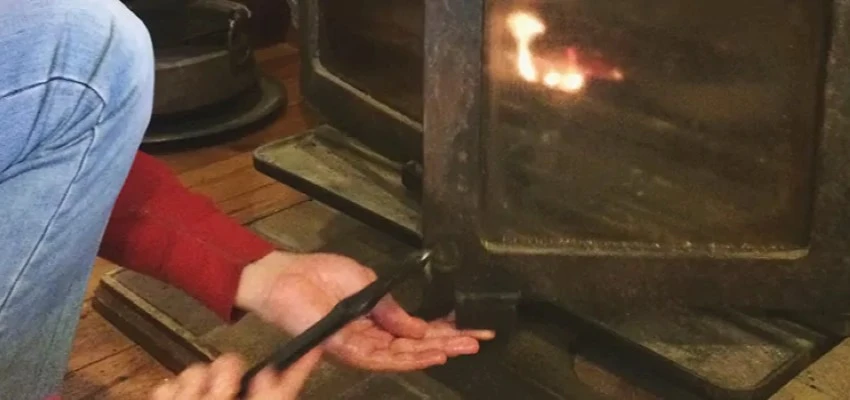
Swept and checked: Chimney Sweep Services in New Westminster
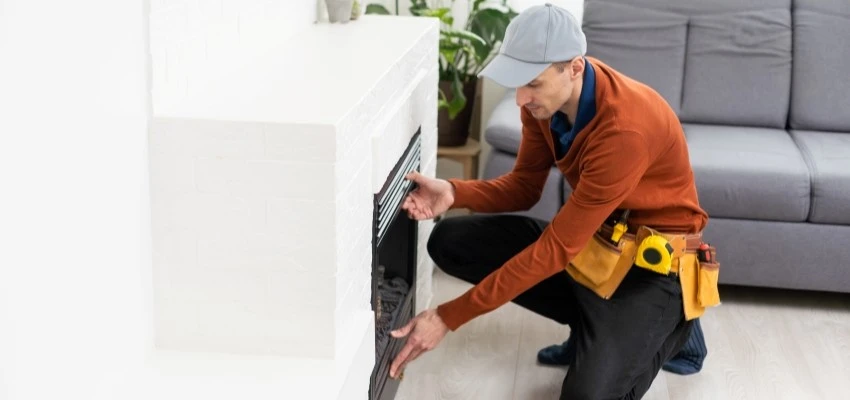
Wood units, stoves and inserts: Fireplace Experts serving New Westminster
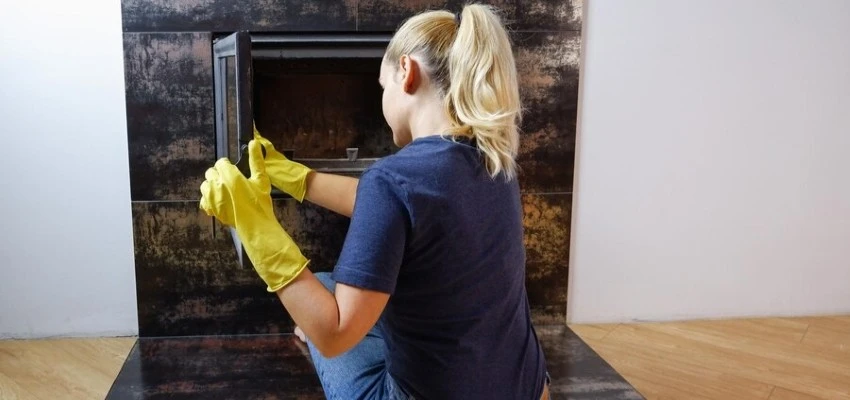
Fireplace smell at startup? Gas Fireplace Cleaning in New Westminster
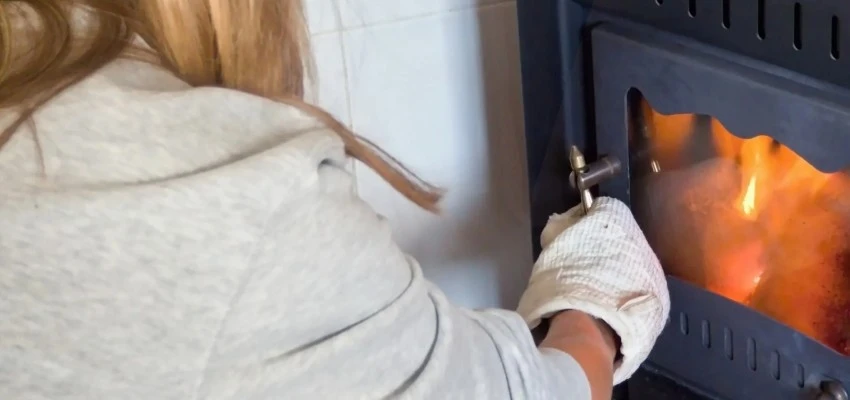
Slow to light? Gas Fireplace Maintenance near New Westminster

