
Booking is simple. Send your name, number and a short message, and someone will get back to you about Flue Cleaning New Westminster
Brick chimneys on older houses, insulated metal flues on newer ones, stovepipes, wood-fired ovens and boiler vents all move smoke the same basic way, yet each one ages differently. For property owners in New Westminster researching “flue cleaning”, the answers that follow explain flue cleaning in practical terms, with notes on the setups that come up most often and the details worth mentioning when you call a company.

Creosote is condensed wood smoke, and its flammability is the main reason chimney sweeping exists. Smoke carries unburned particles and vapor, and when it meets a cooler surface those compounds stick. We find the heaviest deposits where gases slow down or lose heat quickly: the smoke chamber just above the damper, the bends in a stovepipe and the upper section of chimneys built on an exterior wall. That residue is fuel sitting inside a passage built to carry fire, so a spark or an overloaded firebox can ignite it. That is why we gauge its thickness on every visit and explain what it means for you.
The flue is the passage inside the chimney that smoke and gases actually travel through, while the chimney is the whole structure around it, including the brick or framing, crown and cap. A single chimney can hold several flues side by side, for example one for a fireplace and another for a furnace or water heater. Each flue has its own liner and needs its own cleaning and inspection. When people search for “flue cleaning”, they are usually talking about clearing that inner passage, which is where soot and creosote collect.
Glazed creosote comes off with tools and time, since an ordinary brush glides over it like a broom on ice. We describe creosote in three stages: a loose, sooty layer that brushes away, a crunchy, flaky layer that needs stiffer heads, and a glossy third stage that clings to the liner like candy coating. For that last stage we use rotary heads with chains or cutting blades, spun on a drill and matched carefully to the liner so we do not damage it. Chemical modifiers help too, turning the glaze into a brittle crust we can sweep out later. Each method has limits, so we explain them first.
Oil burners do not leave creosote, but they can produce soot and a flaky scale, especially when the burner is out of adjustment. Their exhaust is also acidic and moist, which can wear down masonry flues and unlined chimneys over time, so debris often collects at the base. These flues are commonly checked and cleaned once a year, often timed with the furnace or boiler service. The burner itself should be serviced by a qualified heating technician. A “flue cleaning” visit for an oil appliance focuses on removing soot and scale and checking the liner for corrosion.
We tell most owners to plan on a yearly visit and let the findings set the sweeping schedule. If we pull out a heavy load after one season, the chimney should be checked sooner next time; if the flue is lightly coated, stretching the interval is reasonable. Fuel and habits matter more than the calendar. Dry hardwood burned hot leaves far less behind than damp wood or a stove turned down overnight, and inserts and stoves often need attention more often than open fireplaces. Keeping a note of each visit and what came out makes the right rhythm for your chimney easy to see.

The cost of chimney work depends mostly on how many flues are involved, how easy they are to reach and how much each one needs. A single fireplace flue on a low roof costs less than a tall chimney on a steep roof or a building with several flues. Stoves and inserts that must be disconnected take longer. Heavy or glazed creosote, a blockage or an animal problem adds time and sometimes a return visit. Camera inspections, written reports, caps and repairs are often priced separately. Ask for a written quote that lists what is included so you can compare companies fairly.
Someone usually needs to be home during a chimney visit, because most of the work starts at the fireplace or stove inside. An adult who can let the technician in, show where the appliances are and answer a few questions is enough. Try to be around at the end too, when the findings are explained and you can ask about anything that was noted. Roof-only tasks, such as checking a cap, can sometimes be done while you are out, but agree on that in advance. Landlords can arrange for a tenant or property manager to be present instead.
Some owners do sweep their own chimneys, but we see enough DIY mishaps to suggest leaving the flue to a professional. Wire brushes can scratch stainless steel liners, and rods pushed from below without a vacuum spread soot through the room. Falls from roofs are a real risk. Sweeping logs can make loose creosote flakier so it drops more easily, which helps between visits, yet the debris still has to come out and the flue still needs a look. The parts we encourage owners to handle are good burning habits and visual checks; cleaning and inspecting are where trained eyes and proper tools pay off.
The chimneys we find cleanest belong to owners who burn hot and dry. Creosote forms when smoke cools before it leaves the flue, so anything that keeps smoke hot and thin helps. Well-seasoned wood looks gray, has cracked ends and knocks hollow; heavy, fresh-looking logs hiss and smoke. Top-down fires, with kindling above the larger pieces, tend to burn cleanly from the start. Stove owners who run a brisk fire for a while each morning, rather than smoldering it all night, also see less buildup. A flue that stays lightly coated from one year to the next is the clearest proof the routine is working.

A new address is a good moment to find out the real condition of your chimney, since previous owners rarely leave notes. Chimney Sweep New Westminster can take a look and tell you what is fine and what deserves attention. Book a visit while you are settling in.
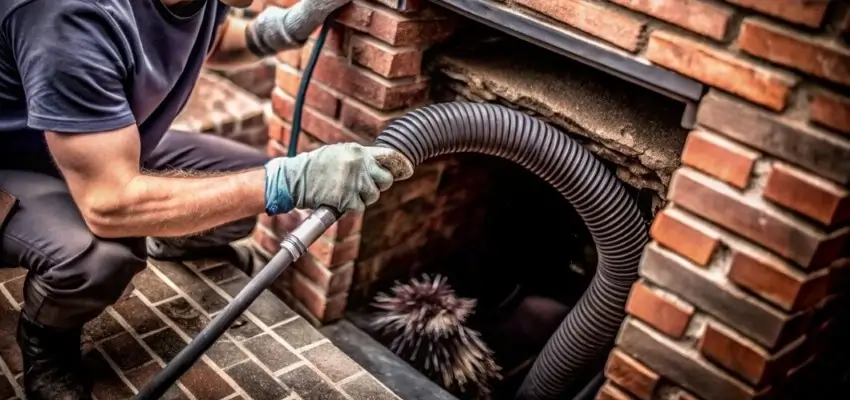
Less smoky smell, steadier flames: Chimney Cleaning around New Westminster
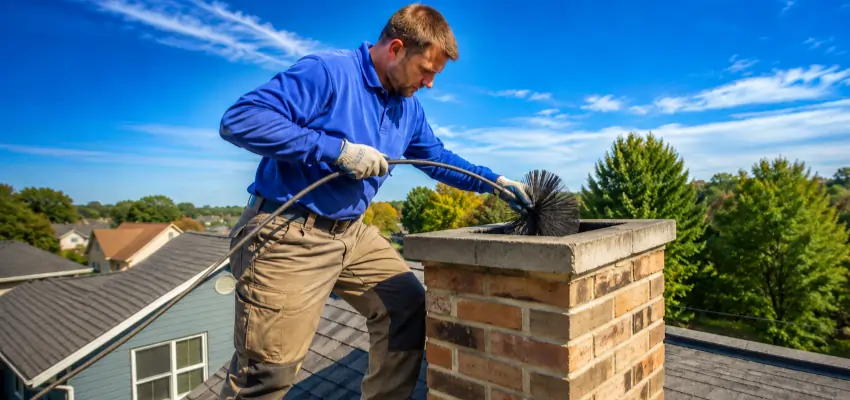
Your New Westminster fireplace, swept and checked: Chimney Sweep
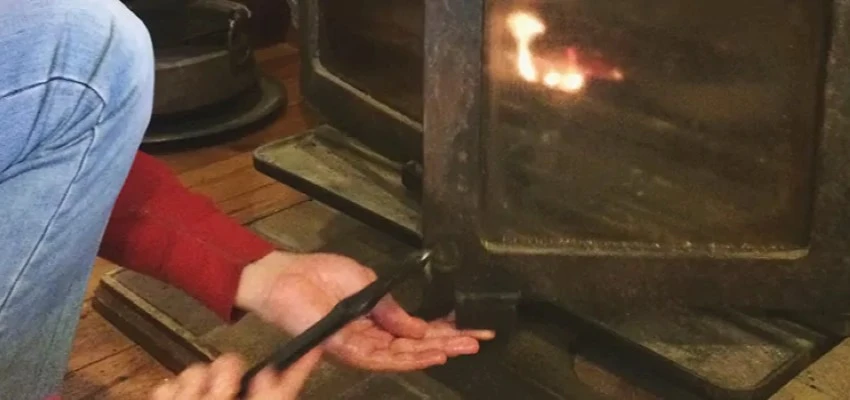
Swept and checked: Chimney Sweep Services in New Westminster
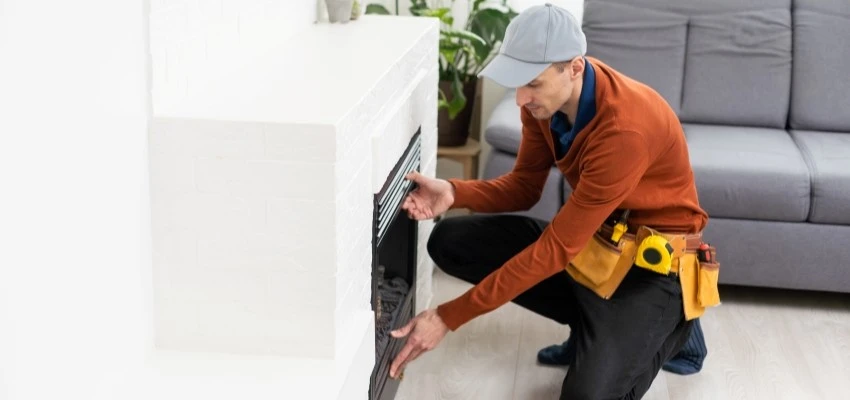
Wood units, stoves and inserts: Fireplace Experts serving New Westminster
Fireplace smell at startup? Gas Fireplace Cleaning in New Westminster
Slow to light? Gas Fireplace Maintenance near New Westminster

