
Booking is simple. Send your name, number and a short message, and someone will get back to you about Fireplace Throat Services New Westminster
Before anyone picks up a hammer or a trowel, a fireplace project needs a plan, and that plan starts with understanding the fireplace you already have. People in New Westminster who look up “fireplace throat services” will find that groundwork laid out below: clear answers about fireplace throat repair, the checks that should come first and the questions worth putting to any contractor you are considering. Read what applies to your home and skip the rest.

The smoke chamber is the sloped space above the damper that funnels smoke from the wide firebox into the narrower flue. Its walls should be smooth so smoke flows upward without turbulence. In many older fireplaces, the chamber was left with stepped bricks and rough mortar, and over time that mortar can erode or crack. The result can be poor draft, smoke in the room and creosote building up on rough surfaces, and gaps may let heat reach nearby framing. Because it is hidden, the smoke chamber is usually checked with a light or camera during an inspection.
The throat is the narrow opening at the top of the firebox where smoke leaves the fire and enters the chimney system. In most masonry fireplaces, the damper sits in the throat, and just behind it is the smoke shelf, with the smoke chamber above. The shape of the throat helps the fireplace draft, so damage or poor construction there can cause smoke to spill into the room. People searching for “fireplace throat services” are usually dealing with a damper that sticks, debris on the shelf or crumbling masonry around the opening, all of which are part of throat work.
The smoke shelf is the flat or slightly curved ledge behind the damper, at the base of the smoke chamber. Its shape helps turn back cold downdrafts, but it also catches whatever falls down the chimney: soot, creosote flakes, leaves, nest material, mortar crumbs and rain. A shelf piled with debris can restrict draft, hold moisture against the masonry and, with creosote, add fuel near the fire. It is out of sight from the room, so it gets overlooked. Clearing and checking it is a standard part of fireplace throat repair and of a thorough sweep.
The giveaways are in how it moves and how the room feels. When we test a throat damper, we work the handle through its full range, watch whether the plate seats on its frame and look for daylight or soot streaks around the edges. Rust scale on the smoke shelf, a pivot that has seized and a plate bowed by heat are common finds. On windy days a loose damper can bang, and a gap you cannot close turns the chimney into a cold draft. Any damper that will not fully open needs fixing before the next fire is lit.
An inspection comes first because it shows whether the fireplace is safe to use and sound enough for the planned work, so you do not spend money on a new face over a failing core. A technician typically checks the firebox walls and floor, the damper and throat, the smoke chamber, the flue and the clearances around the opening, often with a camera for the hidden parts. If problems turn up, they can be fixed before finishes go on, when access is easiest. It is a sensible routine on its own too: many homeowners have the fireplace and chimney inspected once a year.

Small repairs, such as replacing a few firebricks or fixing a damper, often take a single visit, while refacing, mantel work or a conversion can take several working days spread over a week or two. Masonry and mortar need time to cure before the fireplace is used, and some finishes must set before the next layer goes on. Ordering stone, tile, a mantel or a gas insert can add weeks before work starts. Ask for a schedule that shows working days, waiting time for curing or materials and the earliest date you can light a fire again.
A throat damper can often be repaired if the problem is a seized pivot, a broken handle or debris, but a rusted-through or badly warped plate is usually replaced. One common replacement is a top-sealing damper, which mounts at the top of the chimney and closes with a cable that runs down to the fireplace. It seals tightly with a gasket and doubles as a cap that keeps rain and animals out. Its cost depends on the chimney size and access. The right choice depends on the damper’s condition, how the chimney is built and how tightly you want it to seal.
When we price fireplace work, we are estimating labor hours, materials and risk. Labor depends on how much needs to come apart, how tight the space is and whether the job calls for skilled masonry, carpentry or gas fitting. Materials range from inexpensive tile to heavy natural stone that needs extra support. Risk is the unknown: an old surround can hide damaged brick or framing that has to be fixed before anything new goes on. We explain up front how any extra work would be handled and priced, so a surprise behind the wall does not become a surprise on the invoice.
Ask the contractor for a specific date, because it depends on the materials used. Mortar, refractory cement and some adhesives need time to cure before they face heat, and lighting a fire too soon can crack fresh joints or loosen new finishes. After masonry work, the first fires are usually kept small to drive out remaining moisture gradually. Gas conversions are tested by the installer before handover. Keep the first few fires modest, watch for smoke in the room and make sure your smoke and carbon monoxide alarms work.

Whether it is a sound, a stain or something you spotted while cleaning, mention it when you contact us so the technician knows where to start. Describe what you noticed and Chimney Sweep New Westminster will follow up about fireplace throat repair for your home.
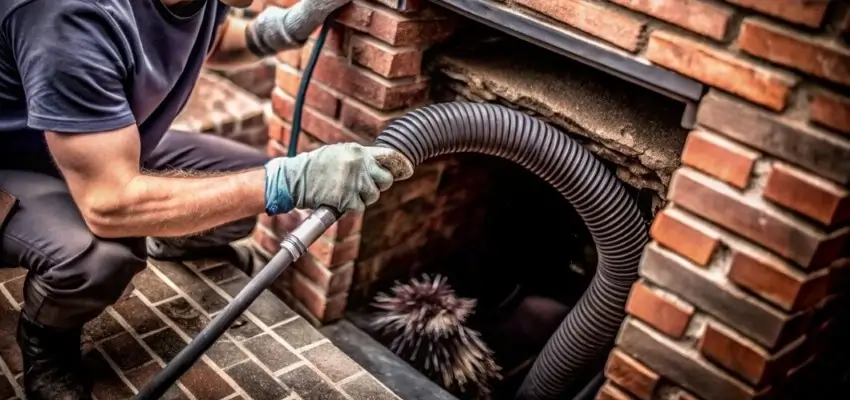
Less smoky smell, steadier flames: Chimney Cleaning around New Westminster

Your New Westminster fireplace, swept and checked: Chimney Sweep
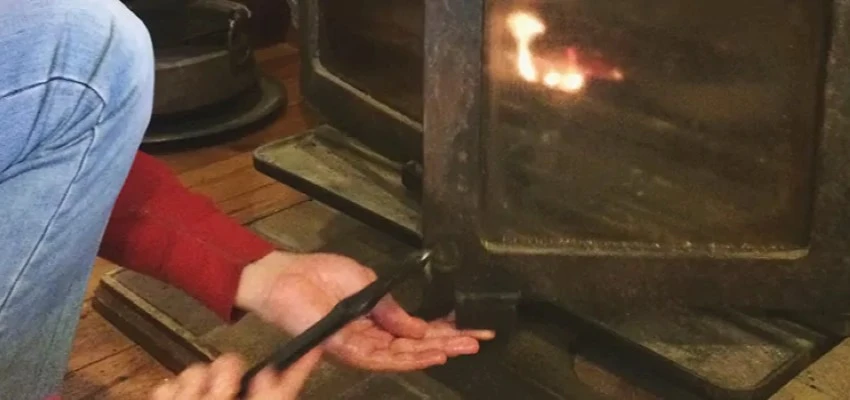
Swept and checked: Chimney Sweep Services in New Westminster

Wood units, stoves and inserts: Fireplace Experts serving New Westminster
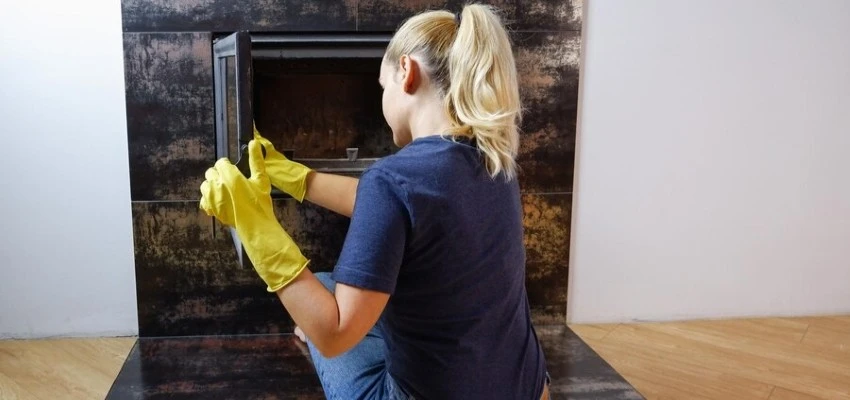
Fireplace smell at startup? Gas Fireplace Cleaning in New Westminster
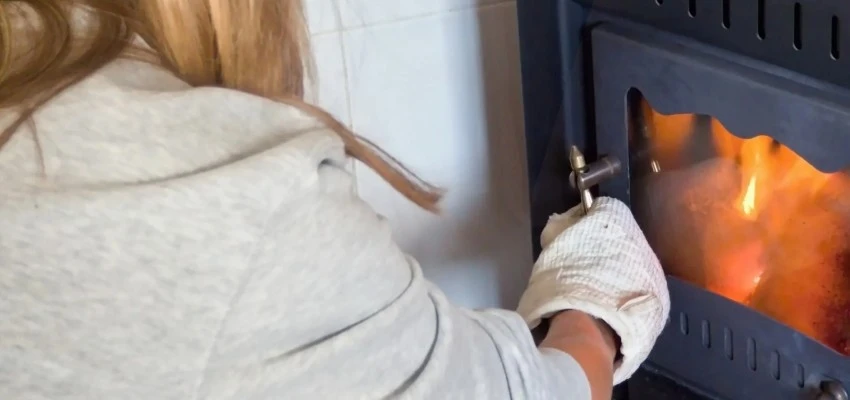
Slow to light? Gas Fireplace Maintenance near New Westminster

