
Booking is simple. Send your name, number and a short message, and someone will get back to you about Fireplace Sweep New Westminster
A hazy room after the last fire, a campfire smell on a warm afternoon, a brick that wobbles when you touch it: small things like these send many homeowners in New Westminster looking for “fireplace sweep”. Sometimes they mean nothing serious, and sometimes they are an early warning. The answers on this page explain fireplace sweeping clearly, so you can tell the difference and decide what your fireplace needs.

The chimney is the main part of any cleaning we do, and the firebox is only the starting point. Soot settles on every surface the smoke touches, from the damper or stove outlet all the way up to the cap, and the heaviest deposits usually sit just above the fire, where the gases first cool. We brush that entire path, pull the debris down into a contained vacuum, then clear the firebox and the hearth. When a company only scoops ashes and wipes the doors, the part that matters for safety has been skipped, and the next fire runs through the same dirty flue.
Regular care catches problems that build slowly and out of sight, and a fireplace that has gone years without a visit shows exactly that pattern. The flue carries a crust of creosote, the cap is clogged with leaves or missing, and joints in the firebox have eroded from repeated heating. None of it happened overnight, and most of it would have been a simple fix earlier on. Neglect also hides things like a cracked flue tile or a rusted damper, which only show up when someone looks. Routine service is really about knowing the condition of a system you trust with an open flame indoors.
The term usually refers to cleaning the chimney flue above a fireplace, and sometimes to the person who does it. The work removes soot and creosote from the flue, the smoke chamber and the smoke shelf, then clears the firebox below. Many people search for “fireplace sweep” when they mean a chimney cleaning, and the two are essentially the same job for a wood-burning fireplace. A thorough sweep also includes a look at the damper and cap, since the technician is already examining the whole smoke path.
A fireplace or stove needs cleaning when the flue turns matte black and furry with deposits, or when fires start losing their pull. We judge it by thickness and texture, but homeowners can spot the effects from the hearth. Fires get lazy, drafts weaken and the room picks up a stale smell between uses. In stoves, the glass blackens faster and the baffle collects a crust. Heavy users often reach that point before the season ends, while occasional users may go a full year or more. When in doubt, a quick inspection settles it without guesswork.
A fireplace or stove usually smells when it is not in use because creosote and soot in the flue give off odor, especially in humid weather. Moist summer air reacts with those deposits and makes the smell stronger, and rain coming down an uncapped chimney adds a damp, musty note. The house can make it worse: kitchen and bathroom fans or a running dryer can pull air down the chimney and into the room. A sweep removes most of the source, a cap keeps rain out and a tightly closing damper cuts the downdraft. A sharp, rotten smell is different and can mean an animal in the flue.

A careful sweep should leave little or no mess, because the soot is contained and vacuumed as the work happens. Expect drop cloths around the hearth, the fireplace opening or stove door sealed off and a vacuum running for much of the visit. A little fine dust can still escape when the damper is opened or stovepipe comes apart, so clear the mantel and move rugs and furniture back a few feet. If you have light carpet or upholstery nearby, mention it when booking. A good crew leaves the hearth cleaner than they found it.
Many chimneys can be cleaned from inside, through the fireplace opening or stove, but a complete job often includes a look from the roof as well. Working from below with flexible rods handles plenty of flues, especially with a vacuum holding the dust back. The roof is where the cap, crown, flue top and outside masonry can be checked, and some caps or tight bends make cleaning from the top easier. Technicians only go up when weather and roof conditions allow it safely. Mention steep pitches, fragile roofing or tight ladder space when you book.
Fires should light more easily, draw more strongly and leave less smoke in the room. Black flakes on the hearth should stop for a while, and a stale smell in warm weather often fades. The first fire after the visit may give off a faint odor as small bits of loosened residue burn off, which is normal. If smoke still spills into the room or the smell stays strong, the cause may be a draft issue rather than buildup, and that is worth raising with the company that did the “fireplace sweep” visit.
Ask about scope, evidence and pricing, since those answers reveal most of what you need to know:
It is also fair to ask whether they work on your type of appliance. Specific, confident answers are reassuring; vague ones are a cue to compare another company.

A proper look at your fireplace means one less worry for everyone under your roof. We explain what we checked and what we recommend, step by step, in plain words. Call (778) 488-0837 to book fireplace sweeping in New Westminster.
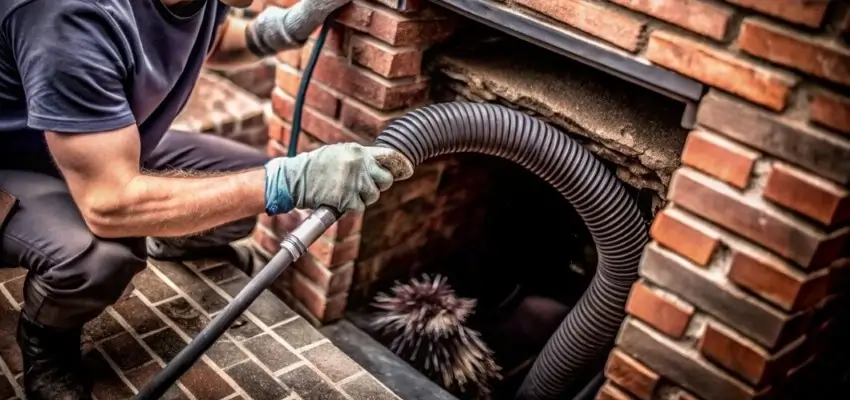
Less smoky smell, steadier flames: Chimney Cleaning around New Westminster
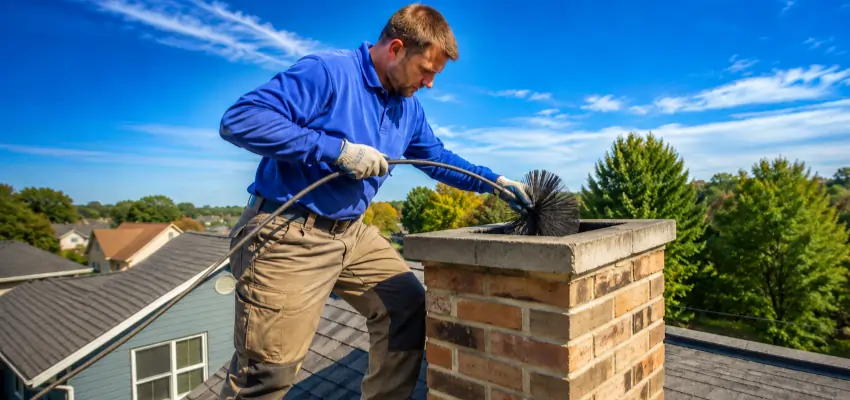
Your New Westminster fireplace, swept and checked: Chimney Sweep
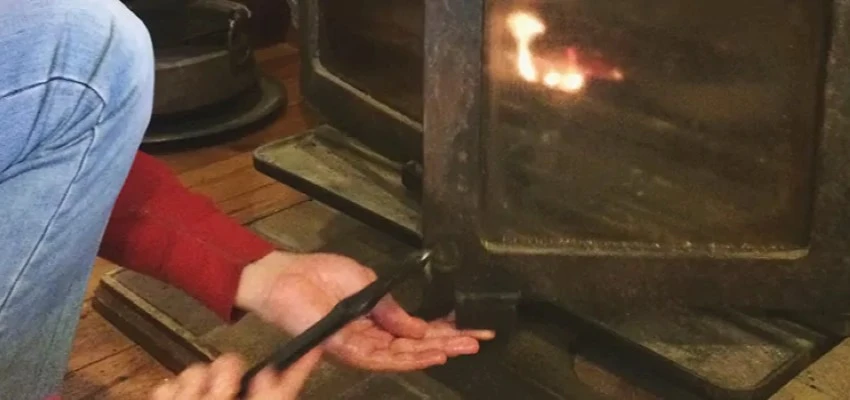
Swept and checked: Chimney Sweep Services in New Westminster
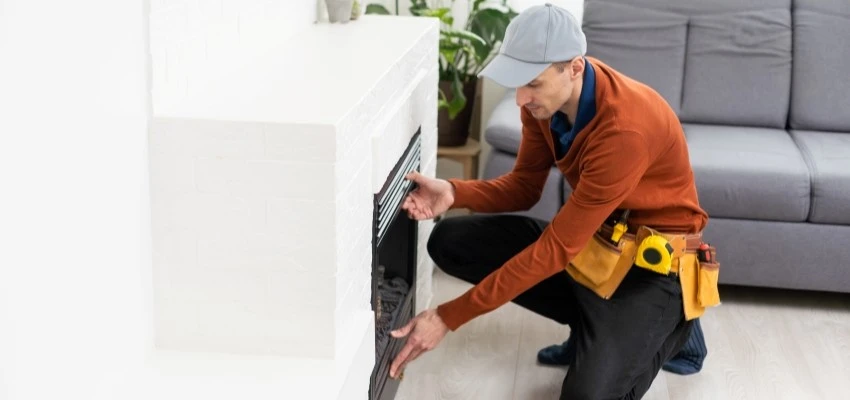
Wood units, stoves and inserts: Fireplace Experts serving New Westminster
Fireplace smell at startup? Gas Fireplace Cleaning in New Westminster
Slow to light? Gas Fireplace Maintenance near New Westminster

