
Booking is simple. Send your name, number and a short message, and someone will get back to you about Fireplace Smell Removal New Westminster
Before the next fire, it helps to know what is happening above the flames. Every load of wood leaves a little residue in the chimney, and every season of heating and cooling tests the mortar, metal and seals that keep smoke where it belongs. People in New Westminster who look up “fireplace smell removal” usually want to know whether their own fireplace needs attention. The answers on this page explain fireplace odor removal plainly, without scare tactics.

A proper cleaning includes the chimney, because that is where most of the soot and creosote collects. The firebox or stove interior is cleared of ash and loose debris, but the main work happens in the flue above it, along with the smoke chamber of a fireplace or the pipe that connects a stove. Some quick-clean offers stop at the visible parts, so ask what is included before booking. A complete job also looks at the cap at the top, works the damper and finishes with a vacuumed hearth, so the whole path the smoke travels has been covered.
Creosote is the dark residue that forms when wood smoke cools and condenses inside a chimney or stovepipe, and it matters because it burns. It starts as dry, flaky soot, can thicken into a crunchy or sticky tar and at its worst becomes a hard, shiny glaze. A thick layer can ignite and cause a chimney fire. Creosote builds faster when wood is damp, when fires smolder with too little air and when the flue stays cold, as it often does in a chimney on an outside wall. Burning dry wood with a lively flame and having the flue swept when buildup appears keeps it under control.
Each smell points to a different cause. A stale campfire smell, strongest in humid weather, usually means creosote in the flue. A musty or damp odor suggests water getting in through the cap, crown or masonry. A sharp, rotten smell can mean an animal has died in the chimney. A burning-dust smell on the first fire of the season is common and fades quickly. A chemical odor may come from new paint or parts curing after a repair. Matching the smell to its source is the first step in fireplace smell removal, since each one needs a different fix.
Not until someone has looked inside, because an idle chimney fills up with things nobody can see from the room. On a first visit to a long-unused fireplace or stove, we routinely pull out nests, twigs, leaves and fallen mortar. We also check for animals that may still be living in the flue, a damper rusted shut and flue tiles that cracked while nobody was watching. Then we sweep, run a camera up the flue when needed and walk the homeowner through what we saw. Many of these systems go back into service after a cleaning and a few repairs.
Smoke comes into the room when the chimney is not pulling air upward strongly enough, and the cause is usually one of a few things. The damper may be partly closed, the flue may be cold when the fire is lit, or a nest, debris or heavy creosote may be blocking the path. Strong kitchen or bathroom fans and very airtight homes can also pull air down the chimney. Open the damper fully and crack a nearby window when lighting the fire. If smoke keeps spilling, stop using the fireplace, have it checked and make sure your carbon monoxide alarms work.

We take care of the smell by removing its source first and then cutting off its path indoors. Cleaning removes most of the odor-producing deposits, including the sticky layer that builds up on the smoke shelf or behind a stove baffle. Then we look at why air is flowing down the chimney: a damper that does not seal, a missing cap letting rain soak the soot, or a house pulling air through exhaust fans. Fixes range from a new damper gasket to a top-sealing damper or a cap. Odor that survives all that sometimes comes from deposits soaked into the masonry, which may call for a deodorizing product applied by the technician.
Very little soot should reach the room when the job is set up correctly. Soot is very fine and rides the slightest air current, so our setup is built around containment. Covers go down first, the opening is sealed, and a vacuum with fine filtration runs throughout, pulling air toward the equipment. Brushing loosens the deposits, which fall into the firebox to be collected rather than scattered. The messiest moments are usually dismantling a stovepipe or reaching past a stubborn damper, and we slow down there. Before packing up, we vacuum the hearth and check the floor around it.
A routine cleaning or inspection usually takes about one to two hours, and a combined sweep and inspection can run a little longer. Time depends on how much creosote has built up, how tall the chimney is, whether the roof has to be accessed and whether a stovepipe must come apart. Glazed deposits and any small repairs agreed on during the visit add time, while larger masonry work is normally scheduled separately. Plan to be home for the whole visit and allow a few minutes at the end to go over the findings. Describing your setup when booking helps the company estimate the time.
Keep the deposits low, keep water out and keep the damper closed when the fireplace is not in use. Burning dry wood and having the flue swept on schedule limits the creosote that causes most odors. A chimney cap and a sound crown keep rain from soaking into the soot. Glass doors and a tight-sealing damper reduce the air that drifts down the chimney, especially when kitchen or bathroom fans run. If the smell returns every summer despite these steps, ask about a top-mounted damper as part of your fireplace smell removal plan.

The quote form takes a minute or two. Add your address in New Westminster, a line about what you need and how you would like us to reach you. Fill in the form and we will get back to you with a price and the next available times for fireplace odor removal.
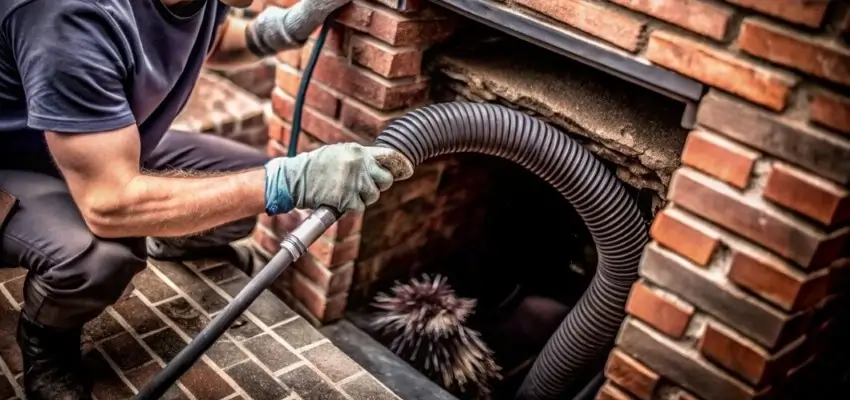
Less smoky smell, steadier flames: Chimney Cleaning around New Westminster
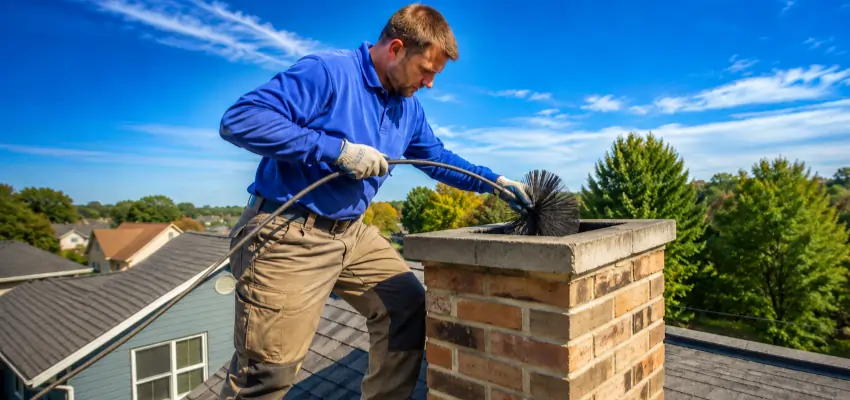
Your New Westminster fireplace, swept and checked: Chimney Sweep
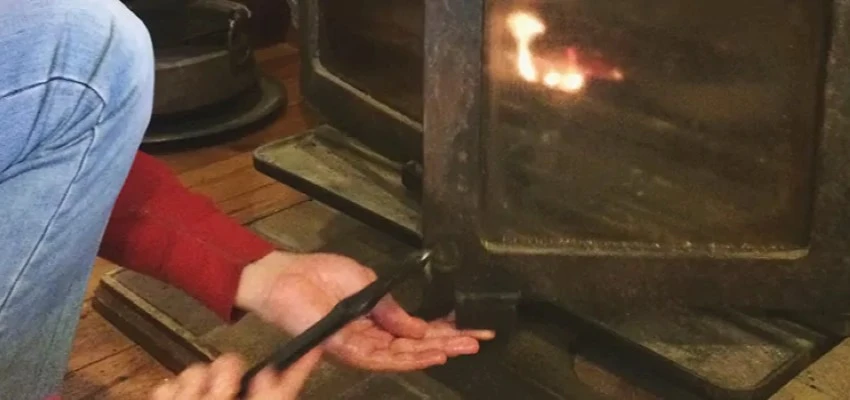
Swept and checked: Chimney Sweep Services in New Westminster
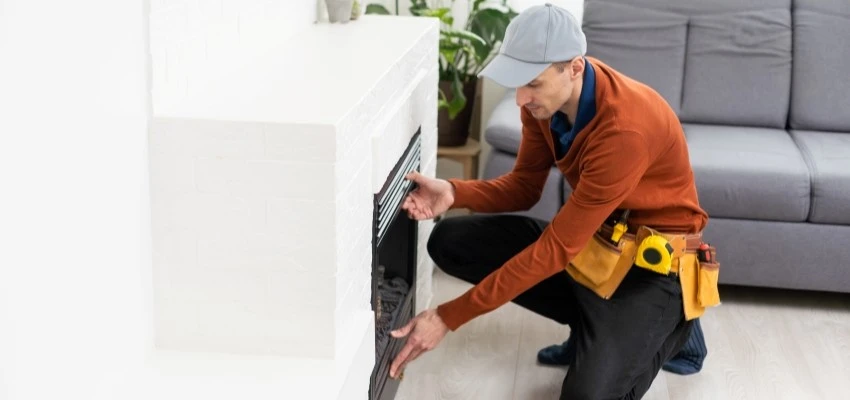
Wood units, stoves and inserts: Fireplace Experts serving New Westminster
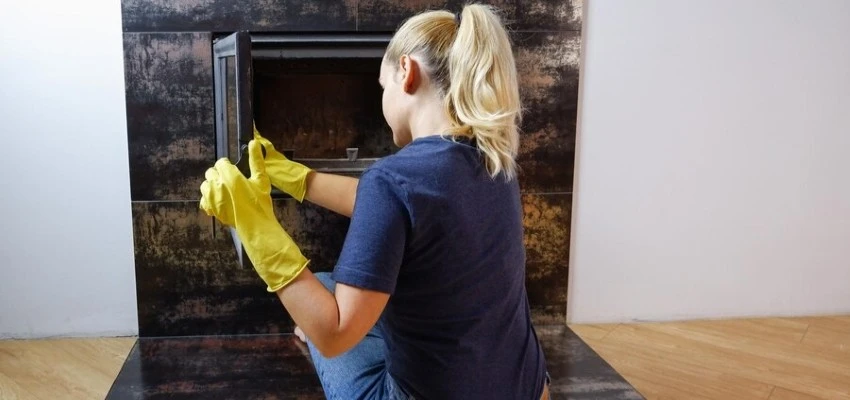
Fireplace smell at startup? Gas Fireplace Cleaning in New Westminster
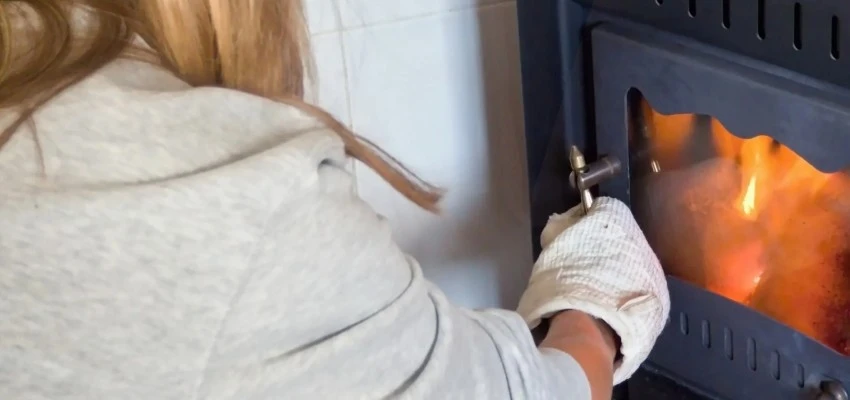
Slow to light? Gas Fireplace Maintenance near New Westminster

