
Booking is simple. Send your name, number and a short message, and someone will get back to you about Fireplace Service Company New Westminster
Most of what homeowners ask about wood fires comes down to three worries: is it safe, is it working properly and what will it take to fix? This page tackles all three for households in New Westminster. If you arrived by searching for “fireplace service company”, you will find fireplace service explained without jargon, with notes on what changes from one home to the next and which checks need no ladder or tools.

Creosote is the dark residue that forms when wood smoke cools and condenses inside a chimney or stovepipe, and it matters because it burns. It starts as dry, flaky soot, can thicken into a crunchy or sticky tar and at its worst becomes a hard, shiny glaze. A thick layer can ignite and cause a chimney fire. Creosote builds faster when wood is damp, when fires smolder with too little air and when the flue stays cold, as it often does in a chimney on an outside wall. Burning dry wood with a lively flame and having the flue swept when buildup appears keeps it under control.
One to two hours covers most cleaning and inspection visits we make, with the chimney deciding which end of that range applies. Setup and floor protection take a few minutes, brushing takes the bulk of the time, and clean-up plus a walkthrough close things out. Tall chimneys, steep roofs and several flues stretch the visit, as do thick layers that need extra passes or special tools. Repairs are their own matter: a damper handle may be fixed on the spot, while firebrick or crown work gets a separate appointment. Since time shapes the price, an accurate description up front helps everyone.
The most useful details are the type of appliance, the height of the house, when it was last serviced and what you have noticed. Say whether you have a masonry fireplace, a factory-built fireplace, an insert or a freestanding stove, and roughly how many stories the chimney passes. Mention how often you burn and any symptoms, such as smoke in the room, odors, loose bricks or a damper that sticks. Photos of the fireplace opening or stove and of the chimney top are a bonus. A steep roof or a shared wall in a townhouse is worth noting too, since access shapes the visit.
Ashes are cleaned out safely by waiting until they are cold, scooping them into a lidded metal bucket and taking that bucket straight outside. Cold ash only, every time; any warmth deep in the pile means it waits. Once outside, the bucket belongs on bare ground or concrete, where a surviving ember can do no harm. We have seen ash buckets left on wooden decks and in garages, which is exactly where they should not be. Daily stove users may empty the pan every day or two, and ash vacuums made for the job are an option once everything is fully cold.
You can keep things tidy between visits, but the flue is where do-it-yourself efforts fall short. We regularly find chimneys that were brushed from below with a kit that missed the smoke shelf, pushed debris onto a closed damper or knocked soot loose without anyone noticing a cracked tile. Any work on the liner or masonry belongs with a professional. A sensible split is simple: ashes, glass, alarms and firewood are yours; sweeping, inspection and anything structural go to a technician. That division keeps you safe and puts experienced eyes on the parts that matter.

A reminder or recurring plan helps if you tend to forget when the fireplace was last looked at. Many companies can note your service date and contact you before the next season, and some offer to book the visit at the same time each year. That keeps inspections regular, spreads the workload into quieter months and builds a history of your fireplace. Read what any plan includes and whether it commits you to anything. A note on your own calendar works just as well if you prefer to stay flexible.
Thoroughly dry wood is what keeps a fireplace or stove burning cleanly, and dryness affects buildup more than anything else a homeowner controls. When we find heavy, tarry creosote, our first question is about the woodpile. Freshly cut logs hold a lot of water, and all of it has to steam off before the wood really burns, cooling the fire and sending sooty smoke up the flue. Species matters less than people assume; dry pine burns cleaner than wet oak. Buying wood early in the year, or checking it with a moisture meter before it goes into the fireplace, keeps sweeps light.
Local knowledge is the main reason: after enough visits in one area, we know its chimneys almost by heart. We learn which subdivisions have factory-built fireplaces from the same period, which older streets have unlined masonry flues and how local freezes, heat waves or storms treat crowns and caps. That background makes quotes more accurate and visits quicker. It also means Chimney Sweep New Westminster is close by if something comes up later or you want a second look. For homeowners in New Westminster, that familiarity usually saves time on the first visit and every one after it.
On the first call, a good company should explain what a visit includes, what affects the cost and what it needs to know about your fireplace. Expect questions about the type of fireplace, how often you burn and what problems you have noticed. The person should be willing to explain cleaning, inspection and repair in plain terms, give a realistic arrival window and describe how findings are shared. If a “fireplace service company” offers a firm repair price over the phone without seeing the fireplace, treat it as a rough guess only.

Sometimes the right call is a small fix, sometimes a bigger job and sometimes nothing at all. We tell you which one applies to your fireplace and why. Ask Chimney Sweep New Westminster for advice and decide in your own time.
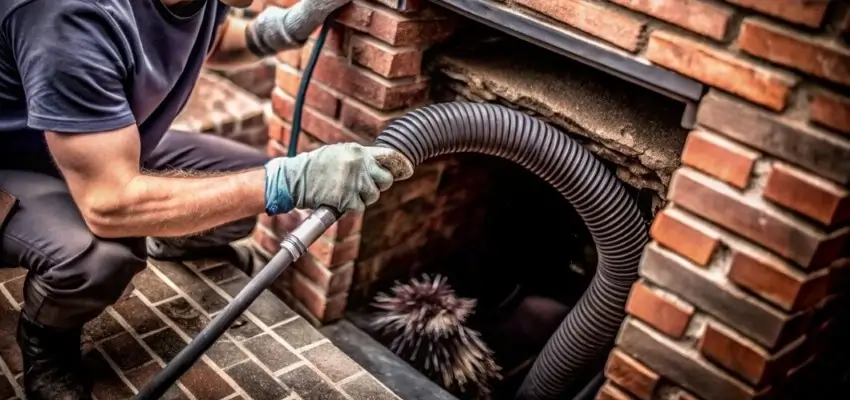
Less smoky smell, steadier flames: Chimney Cleaning around New Westminster
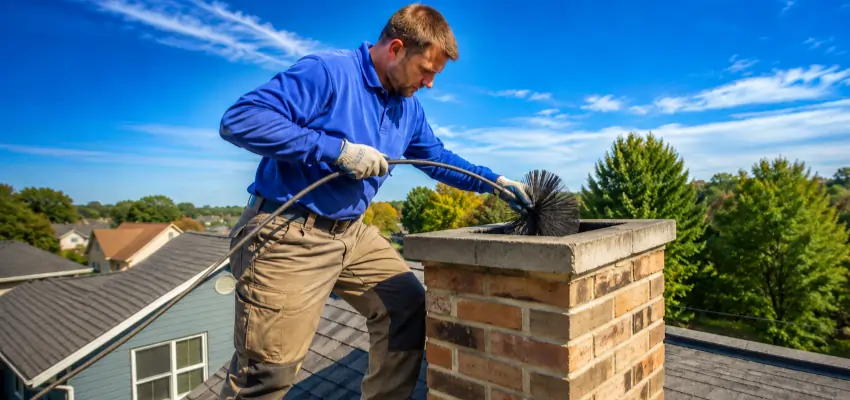
Your New Westminster fireplace, swept and checked: Chimney Sweep
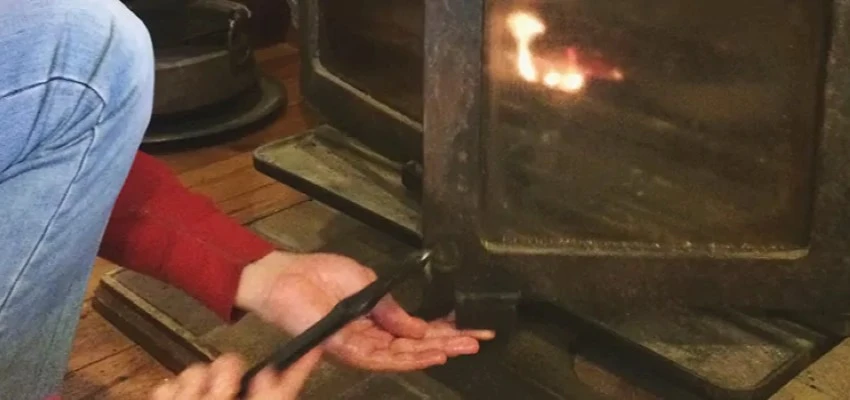
Swept and checked: Chimney Sweep Services in New Westminster
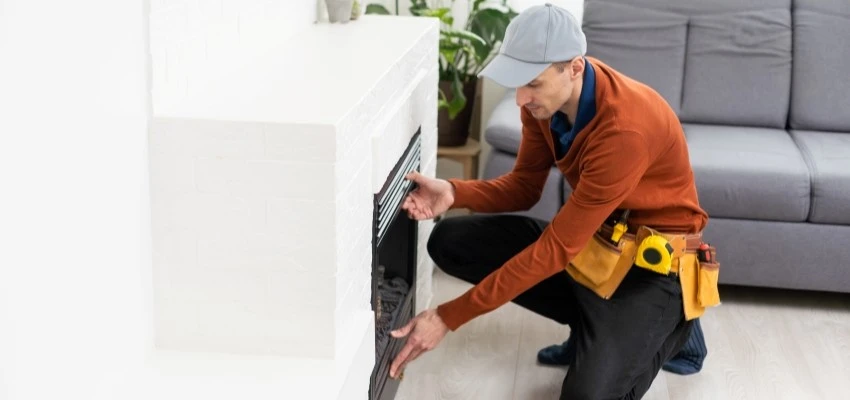
Wood units, stoves and inserts: Fireplace Experts serving New Westminster
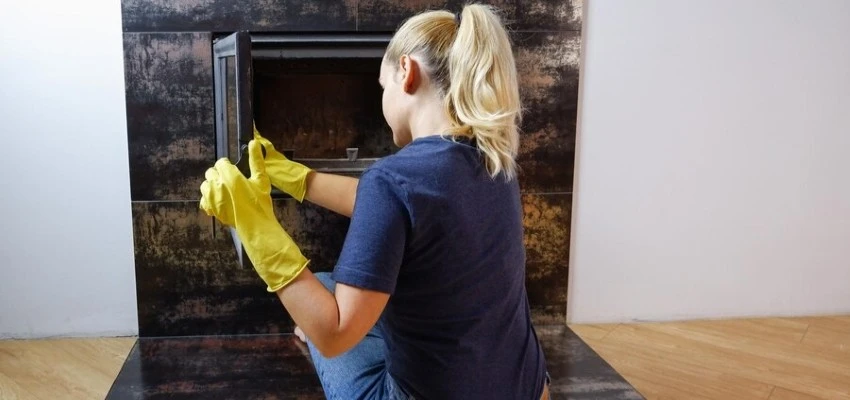
Fireplace smell at startup? Gas Fireplace Cleaning in New Westminster
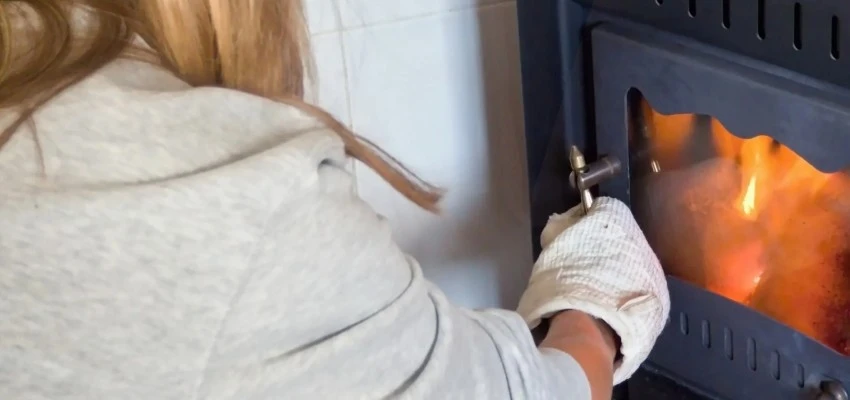
Slow to light? Gas Fireplace Maintenance near New Westminster

