
A fireplace that works and wows
Booking is simple. Send your name, number and a short message, and someone will get back to you about Fireplace Restore & Refurbish Services New Westminster
Before anyone picks up a hammer or a trowel, a fireplace project needs a plan, and that plan starts with understanding the fireplace you already have. People in New Westminster who look up “fireplace restore & refurbish services” will find that groundwork laid out below: clear answers about fireplace restoration and refurbishing, the checks that should come first and the questions worth putting to any contractor you are considering. Read what applies to your home and skip the rest.

Usually, yes, as long as the structure behind the visible parts is sound. A fireplace that drafts well and has a solid firebox can often be refreshed or repaired with far less disruption than a full replacement, and the room gains a working focal point again. The value depends on the condition of the masonry, the damper and the chimney, how often you plan to use it and whether the work fixes a safety issue or is mainly cosmetic. Start with an inspection, then choose between cosmetic, repair and conversion work with a clear picture of what each involves.
Restoring aims to return a fireplace to its original condition and character, while refurbishing renews it, which can include updates the original never had. A restoration might rebuild a firebox with matching brick and reset original tiles; a refurbishment might keep the structure but add new doors, a fresh surround finish or a modern insert. Many projects blend the two: authentic where it matters, updated where it helps. When you look up “fireplace restore & refurbish services”, decide which parts you want preserved and which you are happy to change, since that shapes every quote.
Restoration is usually the stronger choice when the structure is sound and the fireplace has character worth keeping, such as original brick, tile, cast iron or carved woodwork. Restoring means repairing the firebox, damper and smoke chamber, then cleaning, repairing or refinishing the visible parts. Replacement makes more sense when the firebox is failing badly, the fireplace was poorly built for safe use or you want a completely different style or fuel. An inspection shows which path fits, and many homeowners end up with a mix: restored structure and refreshed surfaces.
The problems that concern us most are the ones that let heat or smoke go where they should not. Open cracks in the firebox, mortar joints washed out deep enough to catch a fingernail, a smoke chamber shedding chunks onto the smoke shelf and a damper plate rusted through all fall into that group. Cosmetic issues, like hairline crazing in a tile surround or a scuffed mantel, can be planned around your schedule. When homeowners send photos, we usually ask for three: the firebox walls, the view up past the damper and the outside of the chimney.
We protect the room with floor coverings, sealed openings and a contained work area, and the setup takes time on purpose because masonry dust travels. The floor is covered from the door to the hearth, plastic is taped around the fireplace opening and, for messy demolition, we build a small enclosure so dust stays in one spot. Cutting is done with dust collection where the tools allow, and mixing happens outside or on protected ground. At the end of each day we vacuum and tidy. Some fine dust can still escape on a demolition day, but it should be minor.

We repair a firebox brick by brick before considering a rebuild. Joints are raked back to sound material and refilled with refractory mortar, pressed in tight so no voids remain. Damaged firebricks are chiseled out without disturbing their neighbors, and new ones are set to match the pattern. Surface flaking on an otherwise sound brick can sometimes be left alone. If a whole panel has shifted or the back wall leans toward the fire, we rebuild that section, which is still far less work than a new firebox. Patching compound smeared over cracks is not a lasting repair, so we avoid it.
Restoration typically begins with an inspection and cleaning, then moves from the inside out. Damaged firebricks and mortar joints are repaired with refractory materials, the damper is freed or replaced and the smoke chamber is repaired if needed. Next come the visible parts: brick or stone is cleaned with methods gentle enough for its age, original tiles are reset or matched, metal fronts and doors are cleaned and refinished and the mantel is repaired. The goal is a fireplace that works safely and looks like itself again, not like something new.
Original fireplace materials are often no longer made. Antique tiles, handmade brick, specific stone and old cast iron pieces may have to be sourced from salvage yards or specialist suppliers, or reproduced to order, and each route takes time. Mortar color also needs testing so new joints blend with old ones. Planning for these lead times keeps the job from stalling halfway. A good contractor will tell you which items are easy to source and which may take weeks, and suggest alternatives if a perfect match is not available. Ask about lead times when you request fireplace restoration and refurbishing quotes.
Rust on fireplace metal comes from moisture, so the main defense is keeping water out. A chimney cap stops rain from falling straight onto the damper and firebox, and a closed damper limits humid air in summer, unless gas logs require it open. Remove ashes after the season, since damp ash holds moisture against metal. Light surface rust on doors, frames or grates can be cleaned and touched up with high-temperature paint made for fireplaces. Heavy rust, flaking or holes in a damper or metal firebox need professional attention. Checking metal parts once a year catches problems early.

Sometimes the most useful thing is simply knowing whether there is a problem at all. A visit from Chimney Sweep New Westminster gives you that answer, along with practical advice for keeping things in order. Call (778) 488-0837 to set one up.
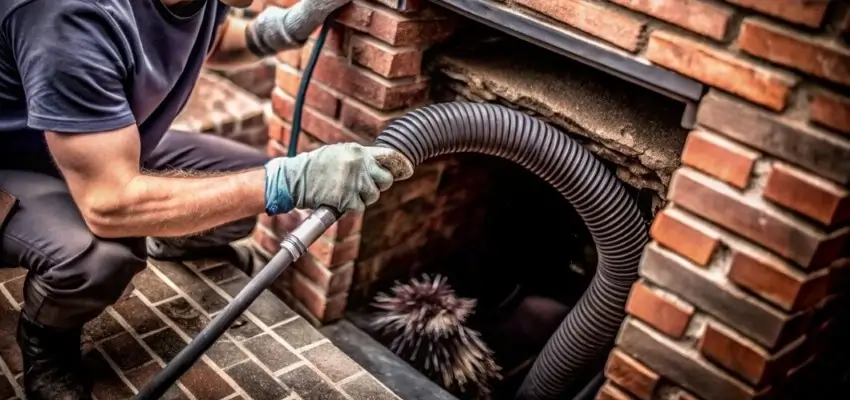
Less smoky smell, steadier flames: Chimney Cleaning around New Westminster
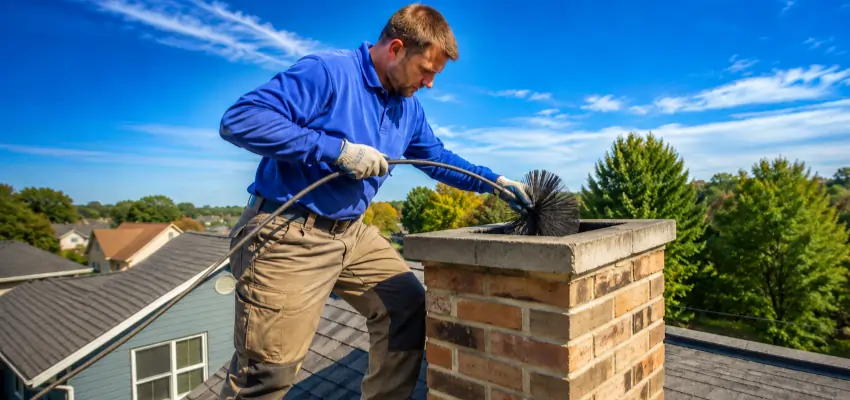
Your New Westminster fireplace, swept and checked: Chimney Sweep
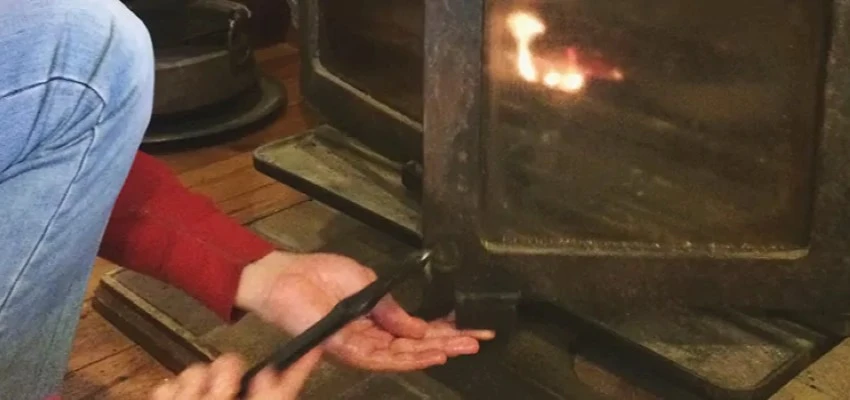
Swept and checked: Chimney Sweep Services in New Westminster
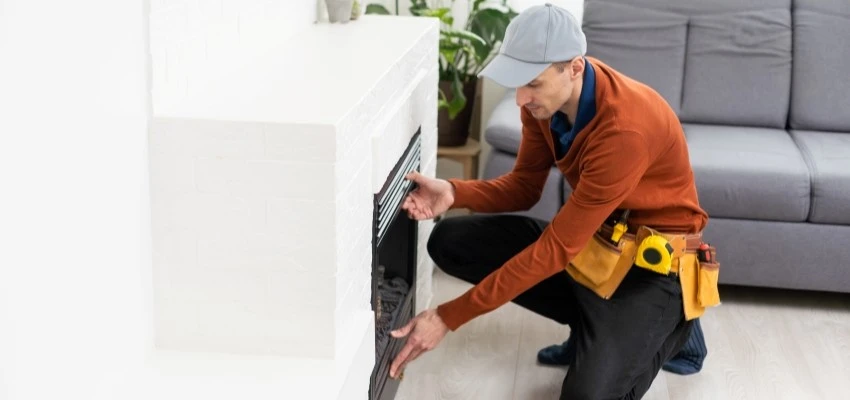
Wood units, stoves and inserts: Fireplace Experts serving New Westminster
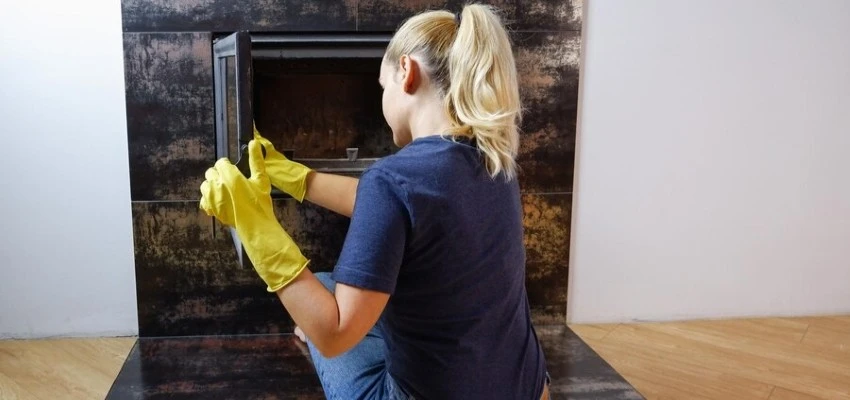
Fireplace smell at startup? Gas Fireplace Cleaning in New Westminster
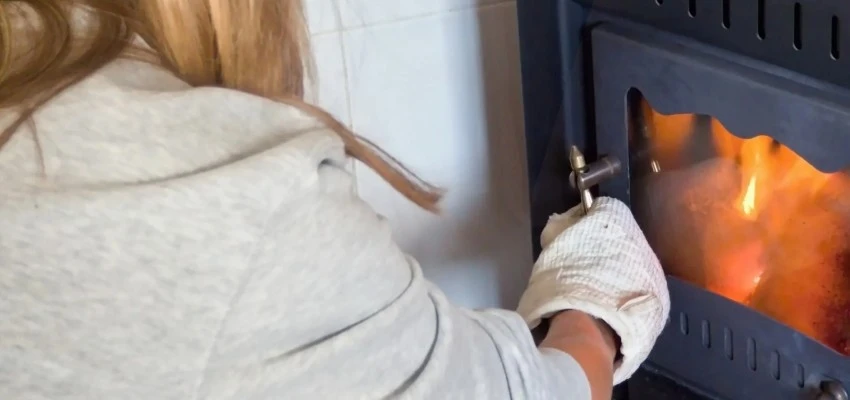
Slow to light? Gas Fireplace Maintenance near New Westminster

