
Booking is simple. Send your name, number and a short message, and someone will get back to you about Fireplace Restoration New Westminster
Older homes often come with fireplaces that have seen many winters and a few questionable repairs along the way. If that sounds like yours and you typed “fireplace restoration” into a search bar, you are probably weighing what to fix, what to keep and what to change. This guide is written for homeowners around New Westminster and explains hearth and firebox restoration honestly, including the cases where a simpler job makes more sense than a big one.

In an older home, fireplace restoration means bringing the original fireplace back to safe working order while keeping the features that give it character. That can involve rebuilding a worn firebox, repairing the damper and smoke chamber, lifting long-built-up soot from brick, resetting original tiles and refinishing cast iron or wood. The aim is authenticity as well as safety, so materials are matched as closely as possible. If you searched for “fireplace restoration” because the fireplace came with the house and its history is a mystery, an inspection will show what can be saved and what must be rebuilt.
We lean toward restoration whenever the bones are good. Original fireplaces in older homes were often built with care, and their brickwork, tile insets or cast iron fronts are hard to reproduce. Restoring them means rebuilding what has failed out of sight, like eroded firebrick and a deteriorated smoke chamber, and conserving what makes the fireplace distinctive. Replacement enters the conversation when the firebox has shifted or cracked through, when earlier repairs used the wrong materials throughout or when the layout simply cannot be made safe. Either way, you should see the evidence before deciding.
Look for cracked or missing firebricks, gaps in the mortar joints, smoke that drifts into the room, a damper that sticks or will not close, rust or flaking metal and stains or cracks on the surround or mantel. Bits of mortar or brick in the ash, a strong odor after rain and drafts when the fireplace is cold are other clues. Any of these deserves a professional look, ideally before the next fire. Many homeowners also have the fireplace checked once a year, which catches small problems while they are still simple to fix.
Look for materials that do not belong. Gray hardware-store mortar between firebricks, caulk or silicone in joints, ordinary red brick patched into the firebox and paint covering cracks inside the opening are all signs of a repair that will not last. Outside the firebox, mismatched mortar color, smeared joints and a mantel fastened too close to the opening are common. Poor repairs often fail again quickly and can hide damage. If you are researching “fireplace restoration” in a home with a history of patch jobs, ask for an inspection that notes earlier repairs as well as new damage.
The signs show up in how the doors move and how they look. Doors that drag, sag or spring open, glass with cracks or heavy clouding, mesh with holes that let embers through and frames that have come loose from the masonry are all reasons to call. We see most door damage on fireplaces that were run hot with the doors shut, which overheats glass and metal, and on older sets whose fasteners have rusted. Often the fix is a new hinge pin, a latch, a mesh panel or replacement glass rather than a whole new enclosure.

Because what we find inside often changes the plan, every project should begin with an inspection. A makeover quote means little if the firebox behind it is cracked, and a gas conversion depends on the condition of the flue it will vent through. We look at the masonry joints, the damper and its frame, the smoke chamber walls above it and the liner or flue tiles, and we measure the opening. Then we tell you what the existing fireplace can support. Doing this first also avoids the worst outcome: covering damage that someone later has to tear out again.
Our restorations follow the fire’s path, starting where the heat is and ending where people look. First the firebox: loose or eroded bricks come out, joints are repointed with refractory mortar and any shifted sections are rebuilt. Then the throat and damper, then the smoke chamber above. Only after the working parts are sound do we turn to the face, lifting soot from brick with care, replacing cracked tiles with close matches and treating rust on cast iron. We photograph each stage, so you can see the hidden work as well as the visible result.
Keeping water away is nearly the whole game, because almost every badly rusted damper we replace traces back to it. Missing or damaged chimney caps, cracked crowns and condensation in unused chimneys feed moisture down onto steel and cast iron. Ash left in the firebox over a humid summer acts like a sponge. We recommend a cap, a yearly look at the damper and clearing out ashes at the end of the season. Surface rust on doors or grates responds well to a wire brush and stove paint, but rust that has eaten through a damper plate or firebox panel means replacement.
Keep up the basics: have the chimney and fireplace inspected once a year and swept when needed, burn only dry, seasoned wood and keep the damper closed when the fireplace is not in use, unless it serves gas logs that need it open. Clean new stone or tile with products suited to the material, since harsh cleaners can stain or etch them. Avoid hanging heavy items from a new mantel unless it was built for that load. Check the firebox walls now and then for new cracks. A small problem caught early, like a single loose firebrick, is a quick fix rather than a project.

It is easy to forget about the parts of a home you rarely see. Booking hearth and firebox restoration now means one less thing to wonder about later in the year. Request a quote from Chimney Sweep New Westminster and choose a visit time that fits around your week.
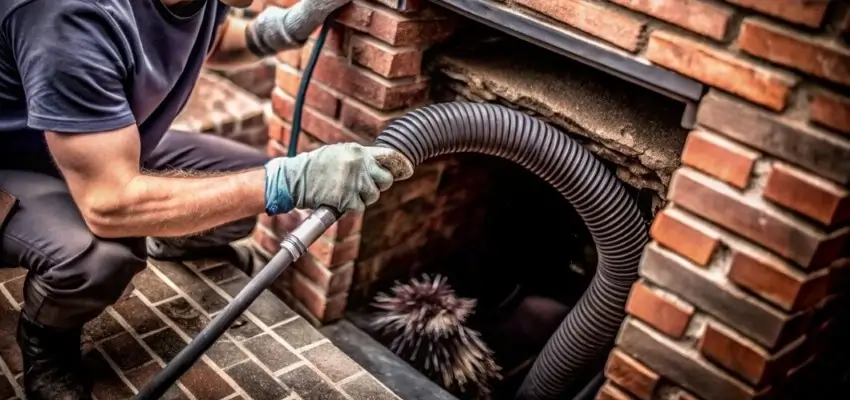
Less smoky smell, steadier flames: Chimney Cleaning around New Westminster

Your New Westminster fireplace, swept and checked: Chimney Sweep
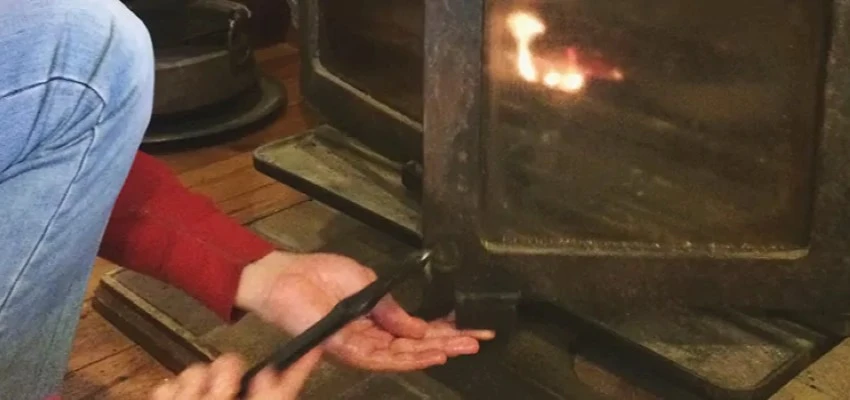
Swept and checked: Chimney Sweep Services in New Westminster
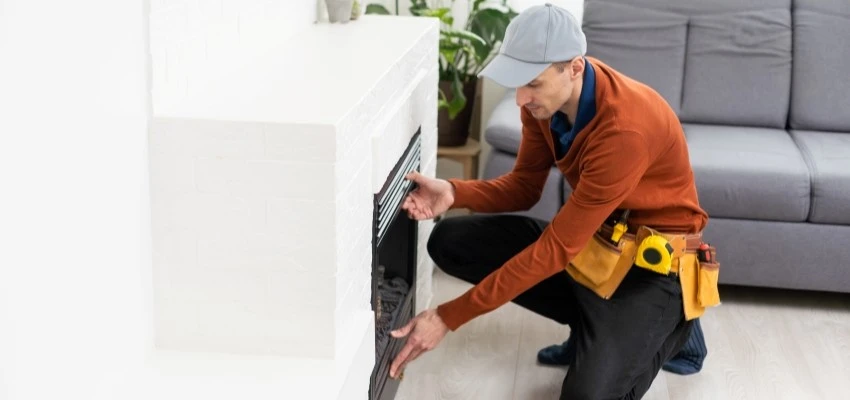
Wood units, stoves and inserts: Fireplace Experts serving New Westminster
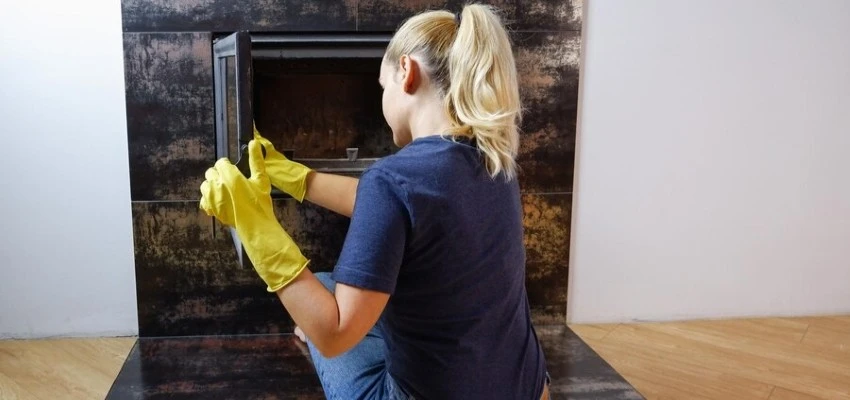
Fireplace smell at startup? Gas Fireplace Cleaning in New Westminster
Slow to light? Gas Fireplace Maintenance near New Westminster

