
Booking is simple. Send your name, number and a short message, and someone will get back to you about Fireplace Repair New Westminster
Knowing a little about how your fireplace works makes every conversation with a technician easier. Why does creosote form? Which parts wear out? What is worth fixing now? Those threads run through this page, written for homeowners in New Westminster who searched for “fireplace repair” and prefer to understand fireplace repair before deciding anything. Read it as a reference, whether or not you end up booking a visit.

Our rule of thumb is to repair what is wearing and replace what is failing. Worn parts are expected after many fires: joints that need repointing, a damper handle that seized, a door rope that no longer seals. Failing parts are another matter. A stove top cracked from overfiring, a prefabricated firebox with burned-through panels and no parts available, or a chimney that needs rebuilding along with the fireplace all push the math toward replacement. Some owners of old masonry fireplaces choose a wood insert instead, which reuses the chimney while giving a tighter, more controllable fire.
Repair work covers the parts that hold and guide the fire: the firebox and its firebrick, the mortar joints, the damper, the smoke chamber above it, the hearth and surround, and fittings such as glass doors and screens. Many companies also handle the chimney top, including the cap and crown, since water entering there often causes damage below. Factory-built units have their own parts, such as refractory panels and metal flue sections. When you book fireplace repair, describe what you have noticed so the visit focuses on the right area from the start.
The signs that matter most are small physical changes: a brick that wobbles, crumbs of mortar on the hearth, a damper that needs a shove or a stain where none used to be. When homeowners call about one of those, we usually find it connects to something larger, such as rain entering through a cracked crown or heat slowly eating at the joints of the back wall. Gaps in the firebox matter most, since they can let heat reach the framing behind the masonry. Catching these early keeps the fix to a patch rather than a rebuild.
Cracked fireplace tiles are usually repaired by removing the damaged tile and grout, preparing the base and setting a new tile with heat-resistant adhesive and grout. Tiles crack from repeated heating and cooling, a hearth that has settled, a weak base underneath or something heavy dropped on them. Hearth tiles in front of the opening protect the floor from embers and heat, so cracks there deserve prompt attention. Matching older tiles can be tricky; when an exact match is not available, some homeowners retile the whole hearth or surround. Finding the cause first helps the new tile last.
During a fireplace sweep, the technician cleans the full smoke path from the firebox to the top of the chimney while keeping soot out of your room. A typical visit starts with drop cloths and a sealed opening, with a vacuum running to hold fine dust back. Brushes on flexible rods are then run through the flue, from below, from the roof or both. The smoke shelf and smoke chamber above the damper are cleared, the damper is cleaned and tested, and ash and debris are removed from the firebox. You should get a short summary of what was found.

In most cases, yes. Firebox, damper and smoke chamber repairs are done through the fireplace opening, and chimney top work is done from the roof, so the surround and mantel usually stay where they are. The surround comes off only when the damage sits behind it, such as a cracked hearth slab, heat-damaged framing or a gap between the firebox and the facing that cannot be reached otherwise. If someone suggests removing it, ask to see why. Careful fireplace repair work protects the finished surfaces with covers and tape while the job is underway.
Most fireplace repairs take from a few hours to a full day of work, while bigger jobs such as a firebox rebuild or major chimney work can stretch over several days. The schedule also depends on dry weather for anything done on the roof, on how quickly specific parts or matching materials can be found, and on cure time for mortar. Masonry repairs usually need a waiting period before the first fire, so the fireplace may be out of use a little longer than the work itself. Booking repairs outside the burning season keeps that downtime out of the way.
It depends on the chimney, and the decision is made on the day. Plenty of flues are swept from the firebox upward with rods, which keeps us off delicate roofing. We still like to see the top, because the cap, the crown and the last few feet of flue are where weather and animals cause trouble. On steep or slippery roofs, we may set a ladder at the eave and use a camera instead of walking the surface. Rain, ice and strong wind mean the roof portion waits for a better day. Either way, you should hear what the top looks like, not just the bottom.
It varies with the material, and we give every customer a specific answer before we leave. Mortar holds moisture after it is laid, and a roaring fire drives that water out too fast, which can crack fresh joints or pop new firebrick. That is why we suggest waiting through the full cure period and then building a few small, short fires to bring everything up to temperature gradually. Stove repairs follow the same idea on a smaller scale: a new rope gasket, for example, settles in over a couple of gentle burns. Caps, screens and dampers can be used immediately.

We protect the work area, clean up before we leave and tell you what we found in words that make sense. You end the visit knowing the state of your fireplace. Book fireplace repair with Chimney Sweep New Westminster when it suits you.
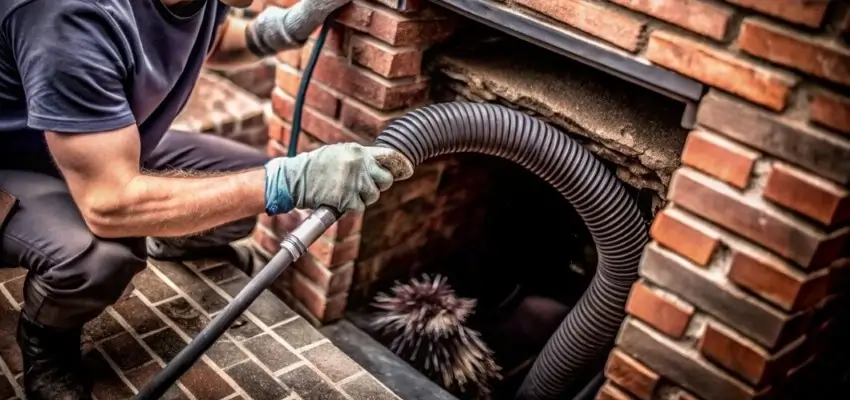
Less smoky smell, steadier flames: Chimney Cleaning around New Westminster
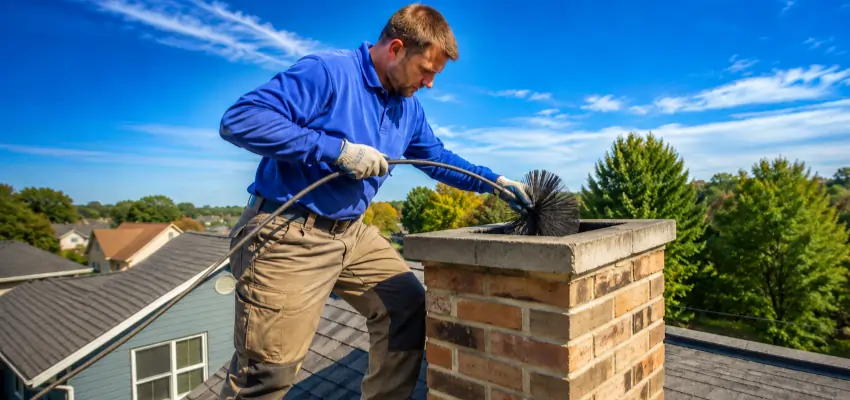
Your New Westminster fireplace, swept and checked: Chimney Sweep
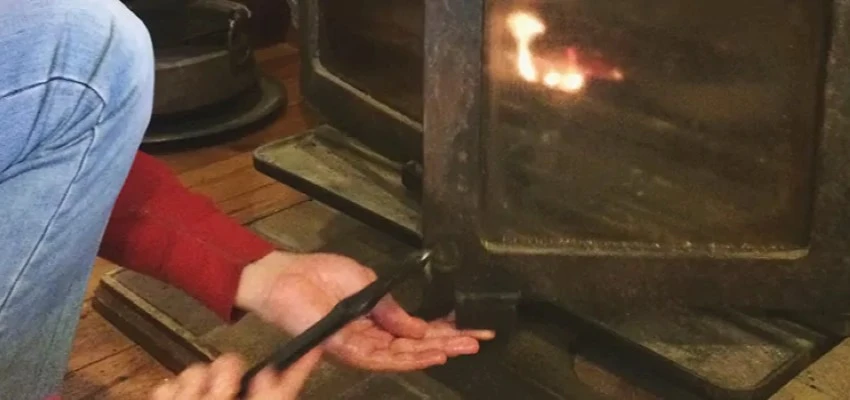
Swept and checked: Chimney Sweep Services in New Westminster
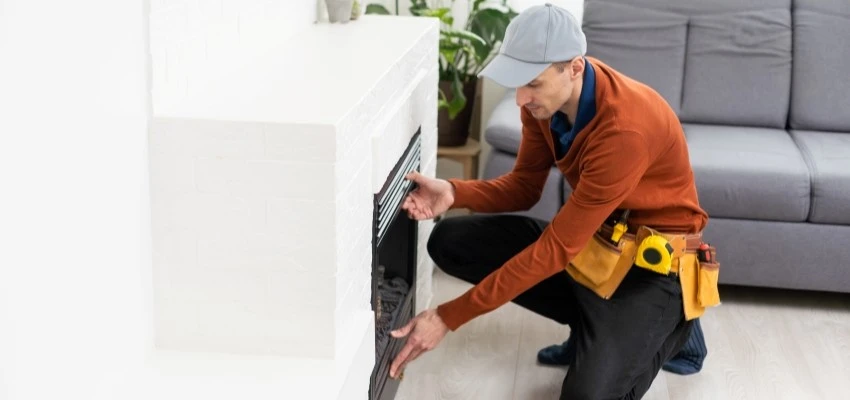
Wood units, stoves and inserts: Fireplace Experts serving New Westminster
Fireplace smell at startup? Gas Fireplace Cleaning in New Westminster
Slow to light? Gas Fireplace Maintenance near New Westminster

