
Booking is simple. Send your name, number and a short message, and someone will get back to you about Fireplace Mantel Services New Westminster
Some fireplace projects start with a wish for a fresh look; others start with a crumbling brick, a stuck damper or a smoky room. Either way, people around New Westminster who search for “fireplace mantel services” tend to ask the same practical questions. This page answers them plainly, from what the work involves and how long it takes to how to prepare and what to ask before hiring anyone, so you can plan fireplace mantel installation with fewer surprises.

In most homes we see, yes, but the answer comes from inside the fireplace rather than its surface. A dated surround over a healthy firebox and a working damper is a good candidate for improvement. Cracked firebricks, a rough smoke chamber or a rusted damper are worth fixing in their own right, since they affect how safely the fireplace burns. Where we hesitate is when the chimney itself needs major rebuilding, because then the budget conversation changes. We look at the whole system first, explain what we find and let you weigh appearance against function.
The required distance depends on the fireplace and on local rules, and it usually grows the farther a mantel or trim projects from the wall. Wood, drywall and other combustible materials can dry out and eventually char if they sit too close to the opening, even without visible flames. For factory-built fireplaces and inserts, the installation manual lists exact clearances; for masonry fireplaces, local building rules set them. Noncombustible materials such as stone, tile and brick can come closer. A contractor should measure and confirm clearances before ordering a mantel or finishing a surround.
The main types are floating shelves, full surrounds and stone or cast mantels. A floating shelf is a single beam or box mounted above the opening on a hidden bracket, popular in rustic and modern rooms. A full surround frames the opening with legs and a shelf, often in painted or stained wood. Stone, cast stone and plaster mantels add weight and a more formal look, and reclaimed timber beams are another option. When you browse ideas after searching for “fireplace mantel services”, consider the projection of the shelf, because deeper mantels have to sit higher above the opening to stay clear of the heat.
Often it can, and it may be the more charming choice. Loose mantels can be re-anchored, split joints glued and clamped, missing trim pieces copied and worn finishes stripped and refinished or painted. Original mantels in older homes are frequently worth saving, since their size and detail are hard to match. Replacement makes sense when the wood is badly scorched, the mantel sits too close to the opening to meet clearances or the style no longer suits a remodeled room. If you are weighing options while researching “fireplace mantel services”, ask for both a repair and a replacement price.
When we price fireplace work, we are estimating labor hours, materials and risk. Labor depends on how much needs to come apart, how tight the space is and whether the job calls for skilled masonry, carpentry or gas fitting. Materials range from inexpensive tile to heavy natural stone that needs extra support. Risk is the unknown: an old surround can hide damaged brick or framing that has to be fixed before anything new goes on. We explain up front how any extra work would be handled and priced, so a surprise behind the wall does not become a surprise on the invoice.

It can be, if heat and mounting are planned for. Electronics can be damaged by rising heat, so check the TV maker’s guidance and hold your hand under the spot while the fireplace runs: if it feels hot, the TV will too. A deeper mantel can deflect some heat. The mount must anchor into solid masonry or framing, and wiring should run through proper channels rather than across hot surfaces. Some factory-built fireplaces allow wall finishes above them only within set limits, so check the manual. Viewing height matters as well, since a TV over a mantel often sits high.
The ideal start is an empty room around a cold fireplace. We need space to set up dust protection, a route for heavy materials such as stone or a mantel and somewhere to mix or cut outside. Take down pictures or a TV mounted above the opening, since vibration from chipping can loosen them. Let us know about alarms, pets and parking. If a gas line is involved, the gas technician may need access to the meter or the basement. Final finish choices, like grout color or stain, should be settled before day one so the job does not stall.
Most of what keeps a fireplace looking and working well happens between our visits. A yearly inspection is the backbone, because it catches mortar joints, damper parts and smoke chamber surfaces before they deteriorate. Day to day, the habits that matter are dry firewood, moderate fires and a hearth kept free of things that can scorch. New surrounds need little beyond gentle cleaning, though natural stone may benefit from occasional sealing if the supplier recommends it. On gas conversions, the yearly check shifts to the burner, ignition and venting. A short note after each visit helps everyone spot trends.
Compare quotes line by line rather than by the total. Each should describe the same scope: what is removed, what is repaired, what new materials go in and who handles any gas, liner or venting work. Look for the material types, the finish details, protection and cleanup, disposal of old materials and any permit costs. Check how hidden damage would be priced if it turns up. A quote that looks much lower may simply leave out repairs another contractor included. Ask each company to explain anything vague before you decide.

Tell us the days and hours that suit you and we will look for an opening that matches. We confirm the arrival window ahead of time so you can plan your day in New Westminster. Request a time for fireplace mantel installation.
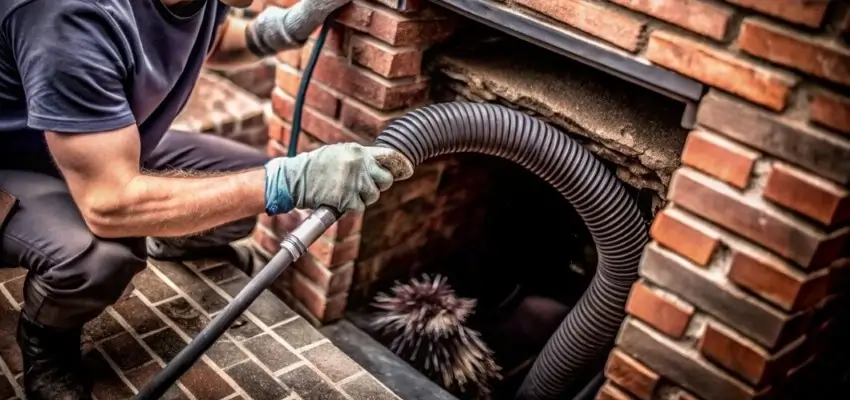
Less smoky smell, steadier flames: Chimney Cleaning around New Westminster

Your New Westminster fireplace, swept and checked: Chimney Sweep
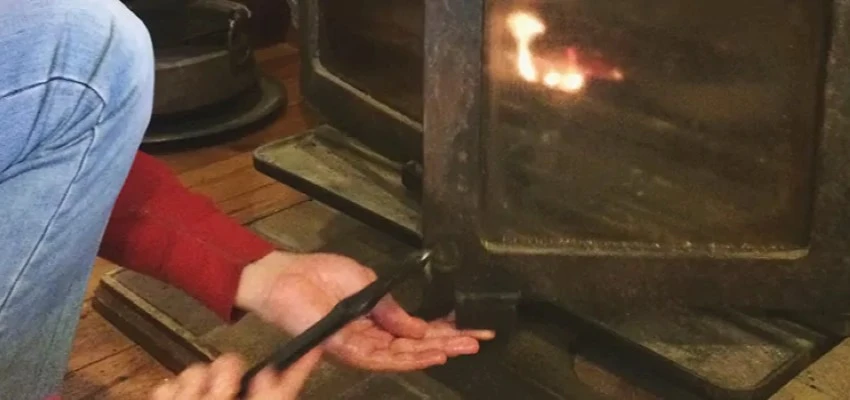
Swept and checked: Chimney Sweep Services in New Westminster

Wood units, stoves and inserts: Fireplace Experts serving New Westminster
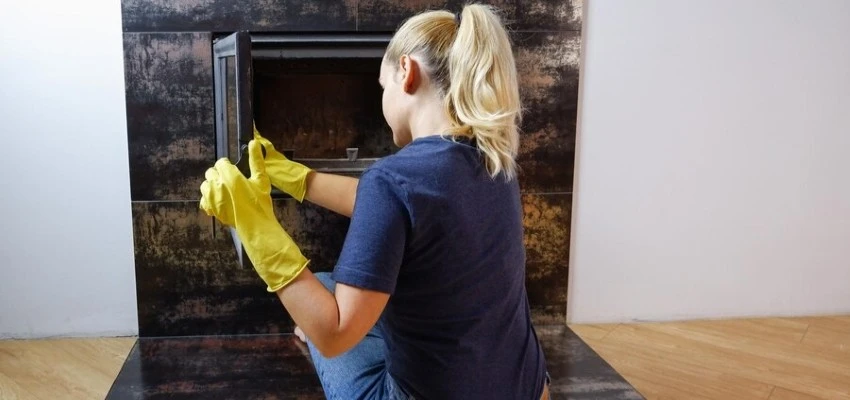
Fireplace smell at startup? Gas Fireplace Cleaning in New Westminster
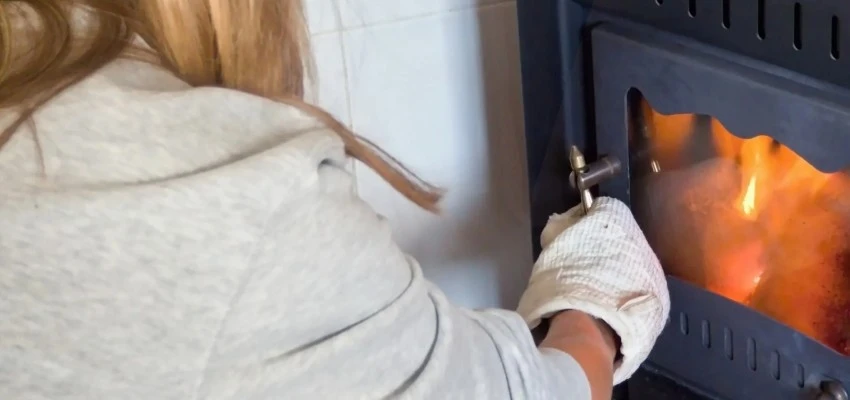
Slow to light? Gas Fireplace Maintenance near New Westminster

