
Booking is simple. Send your name, number and a short message, and someone will get back to you about Fireplace Maintenance New Westminster
A fireplace or wood stove is part heater, part centerpiece and part exhaust system, and each part needs its own kind of attention. Homeowners in New Westminster who search for “fireplace maintenance” often start with one problem and discover that the whole picture matters. Here you will find straightforward answers about fireplace maintenance, from the basics of creosote and drafts to choosing who works on your home. Dip into whichever answers match your situation.

Creosote is unburned fuel: tiny droplets of tar and gas that leave the fire, cool on the way up and stick to the flue walls. We grade it by texture on every job. A light, powdery coat brushes away easily. A thicker, flaky or bubbly layer takes more effort and tells us fires are running cool or the wood is wet. A glossy, glazed coating is the one that concerns us, because it is stubborn to remove and burns intensely if it catches. Where we find heavy deposits, we talk through wood and burning habits, since changing those is what slows the next round of buildup.
A fireplace or stove usually smells when it is not in use because creosote and soot in the flue give off odor, especially in humid weather. Moist summer air reacts with those deposits and makes the smell stronger, and rain coming down an uncapped chimney adds a damp, musty note. The house can make it worse: kitchen and bathroom fans or a running dryer can pull air down the chimney and into the room. A sweep removes most of the source, a cap keeps rain out and a tightly closing damper cuts the downdraft. A sharp, rotten smell is different and can mean an animal in the flue.
A sweep cleans the whole smoke path, and we work from the fire upward and from the room outward. First the hearth and nearby floor are covered, then a high-suction vacuum goes on, keeping the room under slight negative pressure so soot is drawn toward our equipment instead of drifting out. Brushing comes after that: rotary or wire brushes sized to the flue, pushed through in sections until the walls are clear. The smoke shelf behind the damper is where loose debris piles up, so it gets cleaned by hand. We finish by checking the damper seal, looking at the cap and showing the homeowner photos of anything worth discussing.
Timing matters mostly because of lead time. Fall is the rush, when everyone remembers the fireplace or stove at once. Spring and summer visits leave room to schedule repairs, track down parts and let fresh mortar cure before the first cold night. Cleaning right after the last fire of the year also clears out the deposits before muggy weather brings out their smell. For homes that rely on a stove for heat, a mid-winter check can be worth adding. Whichever month you pick, tying it to a date you already remember, such as a birthday or the start of school, makes it hard to forget.
In most cases it does, because the expensive fireplace problems usually grow out of small ones left alone. A cap that costs little to replace keeps water out of the damper, the smoke chamber and the mortar joints. A sweep that removes creosote reduces the chance of a chimney fire that can crack a flue. Loose firebrick reset early avoids a full firebox rebuild later. Routine fireplace maintenance will not stop every repair, but it spreads costs out, gives you warning and keeps the big projects rarer.

A common guideline is to have the chimney inspected once a year and swept whenever buildup calls for it, which for many households also works out to about once a year. Homes that burn a fire most evenings through the colder months may need a sweep more often, sometimes partway through the season, while a fireplace used a few times a year may go longer between cleanings. Wood stoves used as a main heat source tend to build up creosote faster. Damp wood, smoldering fires and cold outside chimneys all shorten the interval, so let the yearly check guide the schedule.
There is no need to clean the fireplace or stove before the visit, although clearing out a deep pile of completely cold ash is helpful. Technicians empty the firebox as part of the job and can learn something from what is there, such as how much creosote is falling or whether bricks are flaking. What matters most is that the ashes are cold, which can take several days after the last fire, since buried embers stay hot far longer than they look. Do take out unburned logs, kindling and decorations so the firebox is easy to reach.
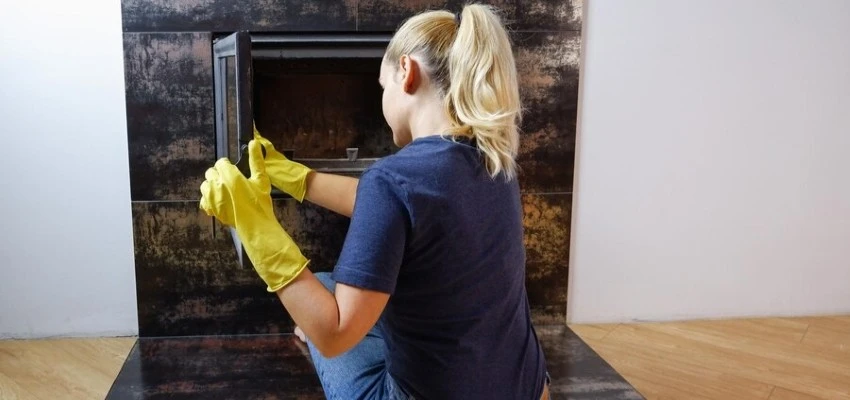
Clean glass doors only when they are completely cool, using a cleaner made for fireplace glass and a soft cloth, since abrasive pads scratch the surface. Check that the doors open, close and latch smoothly and that the frame is not sagging or separating from the opening. Follow the door maker’s guidance on whether the doors should be open or closed while a fire burns, because some glass is not meant to face a roaring fire with the doors shut. Inspect mesh screens for tears or gaps that could let sparks through, and replace damaged ones before the next fire.
Remove ashes only when they are completely cold, using a metal shovel and a metal container with a tight lid. Ashes can hide live embers for several days, so wait well after the last fire and stir them gently to check for warmth. Set the closed container outside on a non-combustible surface, away from the house, decks and anything that burns, and never put ashes in a paper bag, plastic bin or household vacuum. In an open fireplace, a thin bed of ash can help the next fire, while stoves need more regular emptying so air can reach the coals.

We work with people who live in their homes and with people who look after rental units around New Westminster. Either way, you get a clear explanation of the work and what we found. Request a quote for one home or several and we will plan the visits with you.
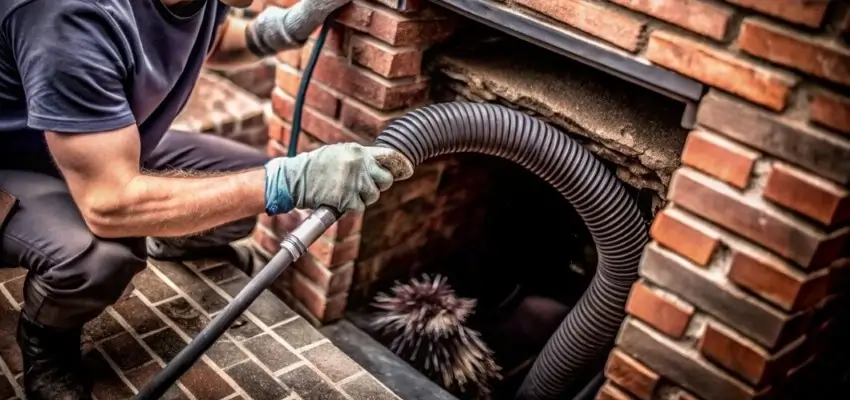
Less smoky smell, steadier flames: Chimney Cleaning around New Westminster
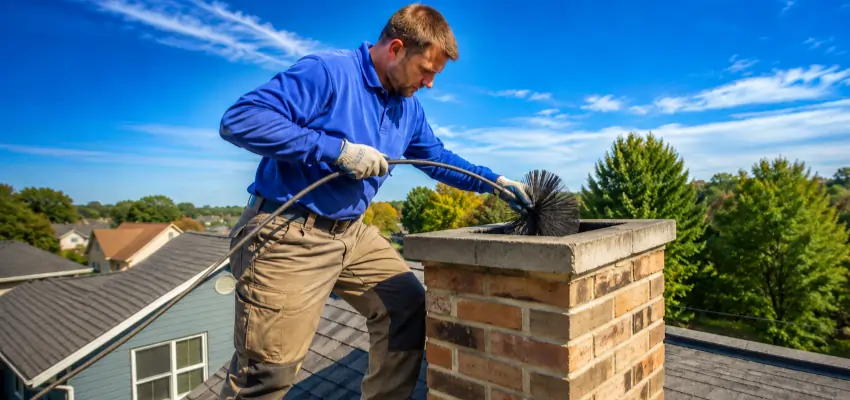
Your New Westminster fireplace, swept and checked: Chimney Sweep
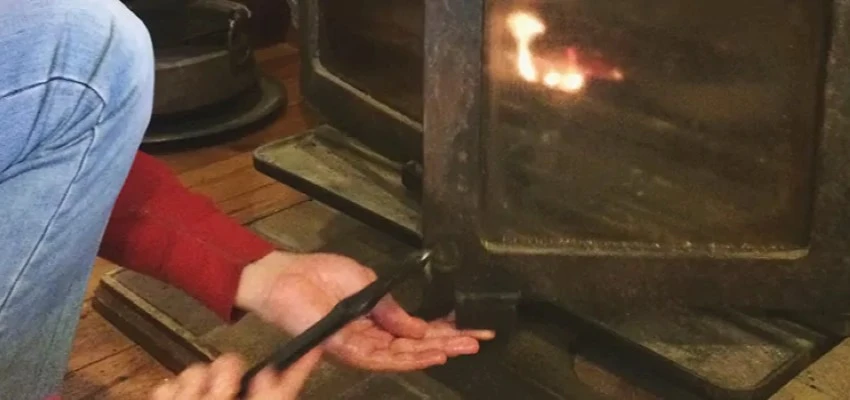
Swept and checked: Chimney Sweep Services in New Westminster
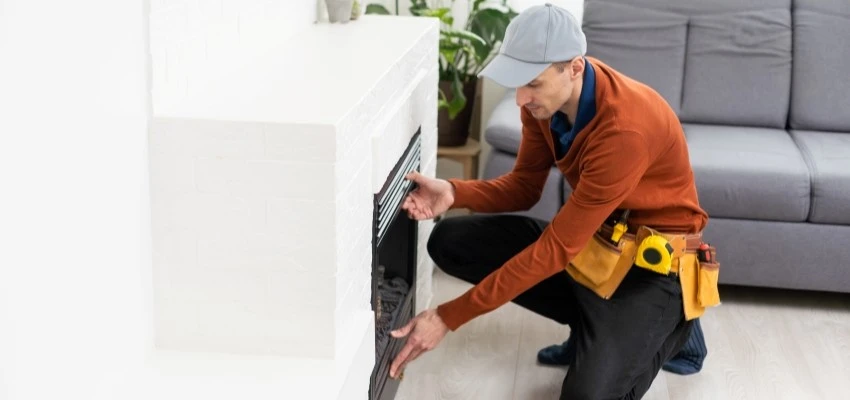
Wood units, stoves and inserts: Fireplace Experts serving New Westminster
Fireplace smell at startup? Gas Fireplace Cleaning in New Westminster
Slow to light? Gas Fireplace Maintenance near New Westminster

