
Booking is simple. Send your name, number and a short message, and someone will get back to you about Fireplace Experts New Westminster
Smoke, soot and heat are hard on masonry and metal, even when everything looks fine from the living room. Most of the wear happens inside the flue, where nobody notices it until a problem shows up. If “fireplace experts” is what brought you here, this guide walks homeowners in New Westminster through fireplace service in practical terms: what to watch for, what a visit involves and how to keep your fireplace in good working order.

The type decides how the fireplace is cleaned, repaired and judged. A masonry fireplace is built on site from brick, block and stone with a clay or metal liner, and it can be rebuilt piece by piece with refractory materials. A factory-built fireplace is a manufactured metal unit with refractory panels and a matching metal chimney, and it must be repaired with parts made for that model. Mixing the two approaches causes problems. An experienced technician identifies the type within minutes, often from the firebox lining, the flue shape and the chimney on the roof.
A sweep removes soot and creosote, while an inspection checks the condition of the fireplace or stove and the chimney it vents into. Cleaning tells you how much buildup there was; an inspection tells you whether everything is sound and set up correctly. Many homeowners book both together, because a clean flue is easier to examine and the technician can spot cracks, gaps or worn parts that the deposits were hiding. If you can only schedule one, start with an inspection, since it shows whether a sweep or a repair is needed at all.
A fireplace or stove needs cleaning when the flue turns matte black and furry with deposits, or when fires start losing their pull. We judge it by thickness and texture, but homeowners can spot the effects from the hearth. Fires get lazy, drafts weaken and the room picks up a stale smell between uses. In stoves, the glass blackens faster and the baffle collects a crust. Heavy users often reach that point before the season ends, while occasional users may go a full year or more. When in doubt, a quick inspection settles it without guesswork.
Smoke comes into the room when the chimney is not pulling air upward strongly enough, and the cause is usually one of a few things. The damper may be partly closed, the flue may be cold when the fire is lit, or a nest, debris or heavy creosote may be blocking the path. Strong kitchen or bathroom fans and very airtight homes can also pull air down the chimney. Open the damper fully and crack a nearby window when lighting the fire. If smoke keeps spilling, stop using the fireplace, have it checked and make sure your carbon monoxide alarms work.
A sweep cleans the whole smoke path, and we work from the fire upward and from the room outward. First the hearth and nearby floor are covered, then a high-suction vacuum goes on, keeping the room under slight negative pressure so soot is drawn toward our equipment instead of drifting out. Brushing comes after that: rotary or wire brushes sized to the flue, pushed through in sections until the walls are clear. The smoke shelf behind the damper is where loose debris piles up, so it gets cleaned by hand. We finish by checking the damper seal, looking at the cap and showing the homeowner photos of anything worth discussing.

The most useful details are the type of appliance, the height of the house, when it was last serviced and what you have noticed. Say whether you have a masonry fireplace, a factory-built fireplace, an insert or a freestanding stove, and roughly how many stories the chimney passes. Mention how often you burn and any symptoms, such as smoke in the room, odors, loose bricks or a damper that sticks. Photos of the fireplace opening or stove and of the chimney top are a bonus. A steep roof or a shared wall in a townhouse is worth noting too, since access shapes the visit.
Expect questions about habits as much as hardware. How often do you burn, and for how long? Where does your firewood come from, and how long has it dried? Do fires start easily, or does smoke linger at first? Do you close the glass doors, run kitchen fans or keep a window open nearby? These answers explain much of what turns up in the chimney. Heavy, tarry creosote, for example, usually points to damp wood or smoldering fires. Having this information ready helps fireplace experts give advice that fits your home rather than a generic checklist.
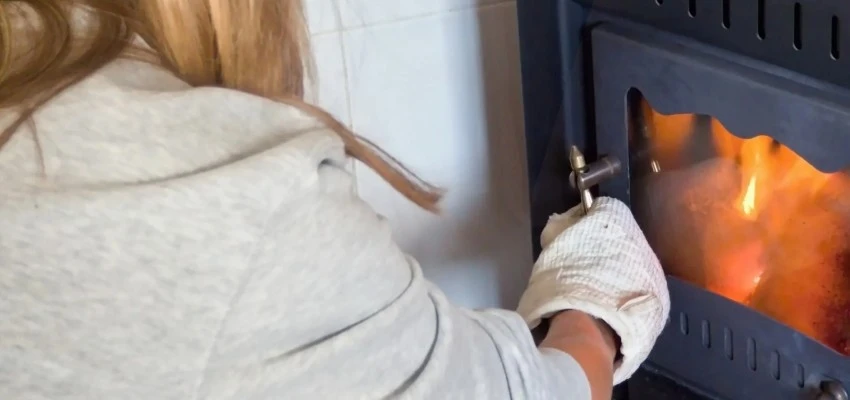
Everyday upkeep is a homeowner job, but sweeping and inspecting the chimney are better left to a professional. Safe tasks include removing cold ashes, cleaning glass doors with a product made for fireplace or stove glass, keeping the hearth area clear, checking that the damper opens and closes and testing smoke and carbon monoxide alarms. Brush kits are sold, but they cannot tell you whether the liner is cracked, the smoke chamber is coated or the cap is damaged, and climbing onto a roof brings its own risk. A professional visit includes a look at the parts you cannot see.
Dry, seasoned wood that has been split and stored for six months to a year or longer burns cleanest, because it lights easily and produces less smoke and creosote. Wet wood wastes heat boiling off water, smolders and coats the flue faster. Well-seasoned pieces are lighter, show cracks across the ends and sound hollow when knocked together, and an inexpensive moisture meter takes out the guesswork. Splitting and stacking wood in spring, off the ground and covered on top, usually has it ready for the colder months. Never burn painted or pressure-treated lumber, trash or cardboard boxes.

If you already know the work needs doing, booking early gives you more choice of dates and less to think about later. Tell us roughly when you would like the visit in New Westminster and we will hold a time for you. Reserve your visit.
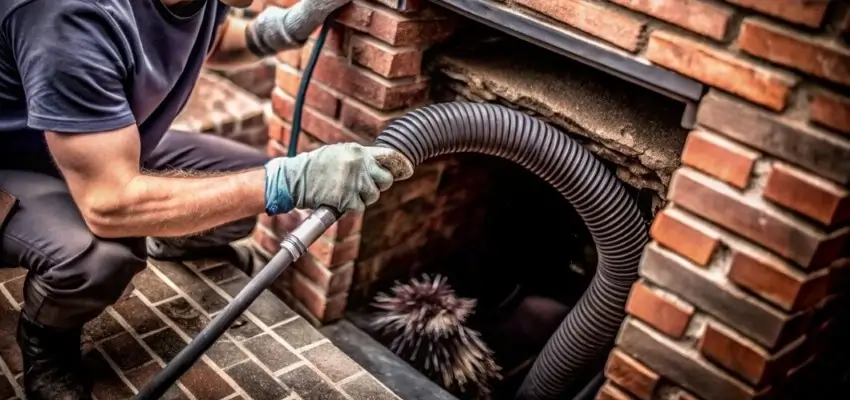
Less smoky smell, steadier flames: Chimney Cleaning around New Westminster

Your New Westminster fireplace, swept and checked: Chimney Sweep
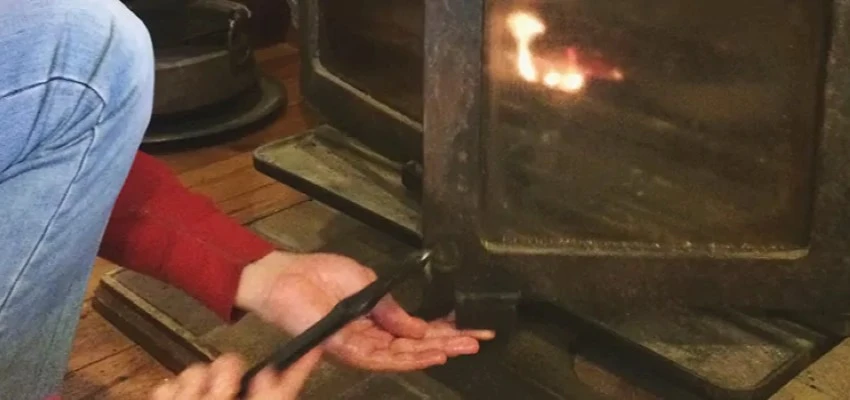
Swept and checked: Chimney Sweep Services in New Westminster
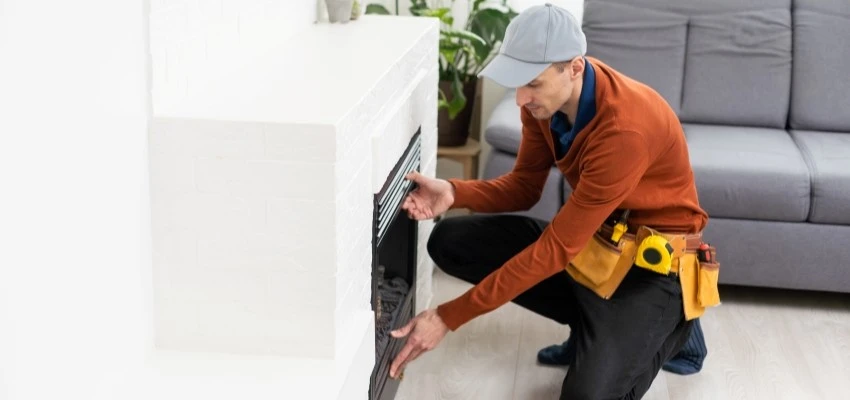
Wood units, stoves and inserts: Fireplace Experts serving New Westminster
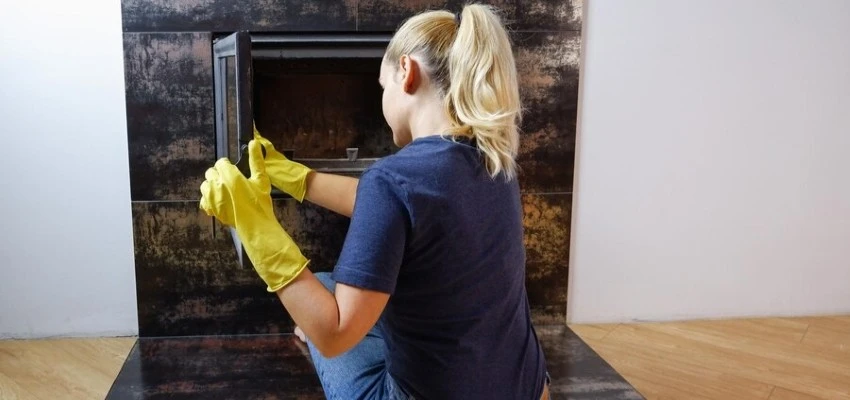
Fireplace smell at startup? Gas Fireplace Cleaning in New Westminster
Slow to light? Gas Fireplace Maintenance near New Westminster

