
Booking is simple. Send your name, number and a short message, and someone will get back to you about Fireplace Conversion Services New Westminster
Not every fireplace needs a big project. Sometimes a few bricks and fresh mortar do the job; sometimes a dated surround is all that stands between you and a room you love. Searching for “fireplace conversion services” is a sensible first step toward telling those situations apart. The answers below help homeowners around New Westminster understand fireplace conversion, set realistic expectations and decide what their fireplace actually needs.

It depends on what kind of fireplace it is. A factory-built gas fireplace or a gas insert cannot burn wood, because it was designed and tested only for gas; it would have to be removed and replaced with a unit made for wood. A masonry fireplace that simply has gas logs in it can usually return to wood burning once the logs are taken out, the gas line is capped by a qualified gas technician and the chimney is inspected and swept. People researching “fireplace conversion services” often ask this before deciding, and it is a fair question to raise early.
The line we draw is between the parts you see and the parts that handle fire and smoke. Remodeling deals with surfaces and fuel: tile, stone, mantels, surrounds and conversions. Repair deals with the working core: the firebox, the throat and damper, the smoke chamber and the metal components that seal or protect them. On real jobs the two often overlap. Pull off an old surround and you may find gaps that let heat reach framing; open the damper and you may find a crumbling smoke shelf. We sort each finding into must-fix and nice-to-have so you can plan sensibly.
We protect the room with floor coverings, sealed openings and a contained work area, and the setup takes time on purpose because masonry dust travels. The floor is covered from the door to the hearth, plastic is taped around the fireplace opening and, for messy demolition, we build a small enclosure so dust stays in one spot. Cutting is done with dust collection where the tools allow, and mixing happens outside or on protected ground. At the end of each day we vacuum and tidy. Some fine dust can still escape on a demolition day, but it should be minor.
When we price fireplace work, we are estimating labor hours, materials and risk. Labor depends on how much needs to come apart, how tight the space is and whether the job calls for skilled masonry, carpentry or gas fitting. Materials range from inexpensive tile to heavy natural stone that needs extra support. Risk is the unknown: an old surround can hide damaged brick or framing that has to be fixed before anything new goes on. We explain up front how any extra work would be handled and priced, so a surprise behind the wall does not become a surprise on the invoice.
Clear the area around the fireplace well beyond the hearth: furniture, rugs, artwork above the mantel, screens, tools and anything on the mantel shelf. Stop using the fireplace a day or two before so the firebox is cold, and remove ashes if the crew asks you to. Plan a clear path from the door to the room and a spot to stage materials, such as a garage or driveway. If you are choosing finishes, have samples approved before the start date. Keep pets and children away from the work area and agree on where the crew can wash tools.

Yes, a gas conversion needs a gas supply at the fireplace, and running it is work for a qualified gas technician. If the house already has natural gas, the technician checks whether the existing supply can handle the extra appliance and plans a route for the new line. Homes without natural gas may be able to use propane with a tank and an appliance set up for it. Ask about it early when you request quotes after searching for “fireplace conversion services”, since the gas line can be a significant part of the job and sometimes needs a permit.
It depends on where you live and what the work involves. Purely cosmetic changes, such as painting brick or swapping a mantel shelf, often need no permit, while gas line work, installing a new insert or fireplace, changes to the chimney or structural masonry frequently do. Rules differ from one municipality to the next, so check with your local building department or ask the contractor to confirm. A professional company should know the local requirements and tell you whether it will arrange the permit and inspection or whether that falls to you. Get that answer in writing before work begins.
Keep up the basics: have the chimney and fireplace inspected once a year and swept when needed, burn only dry, seasoned wood and keep the damper closed when the fireplace is not in use, unless it serves gas logs that need it open. Clean new stone or tile with products suited to the material, since harsh cleaners can stain or etch them. Avoid hanging heavy items from a new mantel unless it was built for that load. Check the firebox walls now and then for new cracks. A small problem caught early, like a single loose firebrick, is a quick fix rather than a project.
Local contractors know the housing stock, the common fireplace designs and the suppliers nearby, which makes planning and follow-up easier. Builders in the same neighborhoods often used similar fireboxes, dampers and surrounds, so a company that works the area has usually seen your setup before. Nearby crews can also return quickly when a project spans several visits for curing or materials. Before hiring, confirm the company works in your area directly, ask for local examples of similar work and check how it handles questions after the job is done.

We would rather explain one thing clearly than list ten things you do not need. Ask us what matters for your home in New Westminster and we will give you a straight reply. Get in touch with Chimney Sweep New Westminster whenever you are ready.
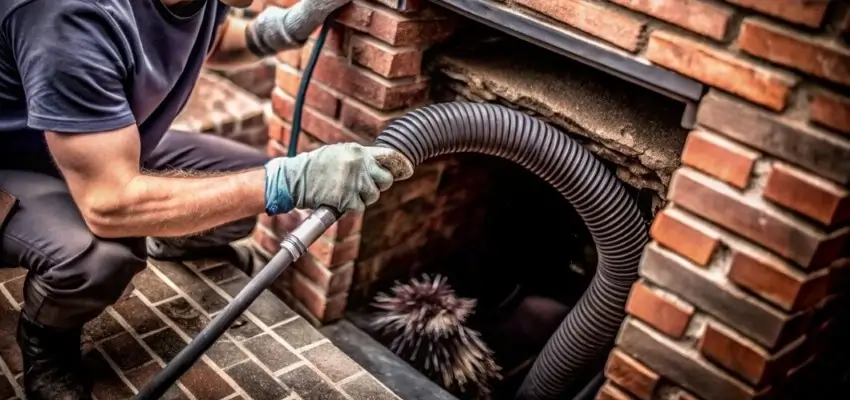
Less smoky smell, steadier flames: Chimney Cleaning around New Westminster

Your New Westminster fireplace, swept and checked: Chimney Sweep
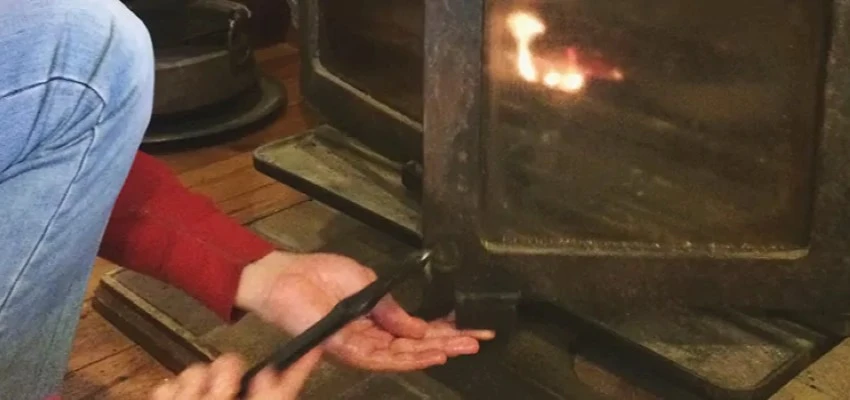
Swept and checked: Chimney Sweep Services in New Westminster
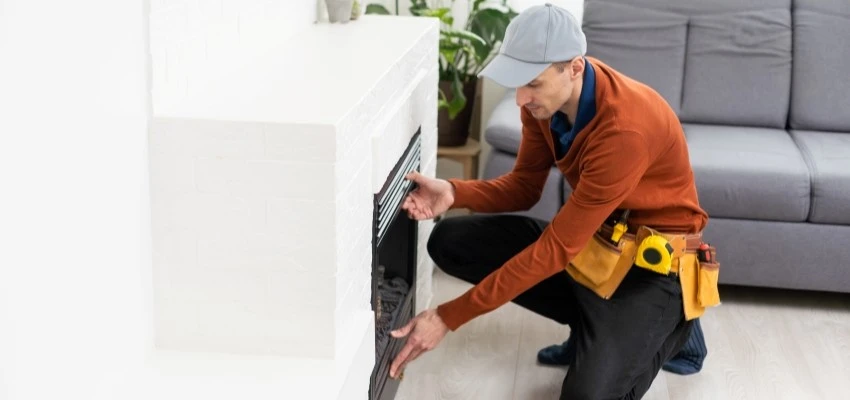
Wood units, stoves and inserts: Fireplace Experts serving New Westminster
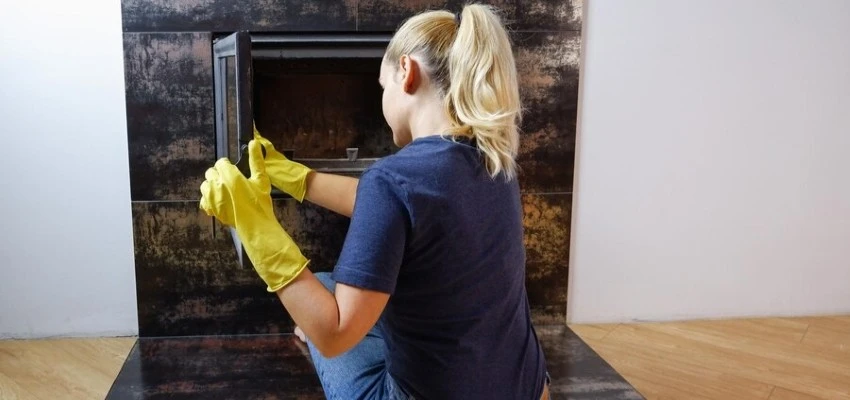
Fireplace smell at startup? Gas Fireplace Cleaning in New Westminster
Slow to light? Gas Fireplace Maintenance near New Westminster

