
Booking is simple. Send your name, number and a short message, and someone will get back to you about Fireplace Contractors New Westminster
A wood fire is one of the simple pleasures of the colder months, and keeping it that way takes a little care behind the scenes. If you searched for “fireplace contractors”, you are probably weighing what your fireplace needs now and what can wait. This page gathers straight answers for homeowners in New Westminster about fireplace repair and upkeep: what a technician looks at, what tends to wear out and which small habits keep fires burning cleanly between visits.

A wood-burning fireplace or stove needs regular care because every fire leaves residue behind, and that residue builds up where you cannot see it. Smoke cools as it rises and coats the flue with soot and creosote, which narrows the passage and can catch fire. Heat also slowly wears down mortar, firebrick, door seals and metal parts. Left alone for years, those small changes add up to poor drafts, smoky rooms and costly repairs. A yearly check, plus a sweep when buildup calls for it, keeps the fire drawing well and catches problems while they are still minor. Working smoke and carbon monoxide alarms complete the picture.
The signs fall into two groups: what you hear during the fire and what we find after it. A fast chimney fire is often described as sounding like a freight train or a jet engine, with popping as tiles and deposits heat up. In that moment, the only job is to leave the house and call the fire department. Afterward, we look for creosote that has swelled into a honeycomb texture, discolored or distorted metal, cracked liner sections and stains where smoke escaped through gaps. Those clues matter because a quiet chimney fire can damage a flue without anyone noticing.
Good contractors treat dust control as part of the job. Expect plastic sheeting around the work area, covered floors along the route to the door and a vacuum or air scrubber running while old mortar and brick are removed. Cutting is often done outdoors or with tools fitted with dust collection. Debris goes out in sealed bags or tubs rather than loose armfuls, and roofing is protected with pads or boards when crews work up top. Before hiring “fireplace contractors” for a larger job, ask how they set up the room, and you will learn a lot about how carefully they work.
Many chimneys can be cleaned from inside, through the fireplace opening or stove, but a complete job often includes a look from the roof as well. Working from below with flexible rods handles plenty of flues, especially with a vacuum holding the dust back. The roof is where the cap, crown, flue top and outside masonry can be checked, and some caps or tight bends make cleaning from the top easier. Technicians only go up when weather and roof conditions allow it safely. Mention steep pitches, fragile roofing or tight ladder space when you book.
There is no need to clean the fireplace or stove before the visit, although clearing out a deep pile of completely cold ash is helpful. Technicians empty the firebox as part of the job and can learn something from what is there, such as how much creosote is falling or whether bricks are flaking. What matters most is that the ashes are cold, which can take several days after the last fire, since buried embers stay hot far longer than they look. Do take out unburned logs, kindling and decorations so the firebox is easy to reach.

Ashes are cleaned out safely by waiting until they are cold, scooping them into a lidded metal bucket and taking that bucket straight outside. Cold ash only, every time; any warmth deep in the pile means it waits. Once outside, the bucket belongs on bare ground or concrete, where a surviving ember can do no harm. We have seen ash buckets left on wooden decks and in garages, which is exactly where they should not be. Daily stove users may empty the pan every day or two, and ash vacuums made for the job are an option once everything is fully cold.
Look for a company that explains its thinking and backs it with evidence; that is what we would want from anyone working on our own homes. A team that knows the work asks what kind of appliance you have, how you use it and what you have noticed. On the visit, it shows you the inside of the flue rather than handing down a verdict, and it tells you plainly when something can wait. Careful setup and clean-up say a lot about the rest of the job. Scare tactics are a red flag, because a real problem can be shown in a photo and explained calmly.
A written agreement should spell out the scope, materials, schedule and cleanup, so everyone shares the same picture of the job. Look for a description of what will be removed and rebuilt, the type of firebrick, mortar or tile planned, and how long the work and any cure time will take. It should explain how dust is controlled, how debris leaves the property and what happens if hidden damage turns up. Payment timing belongs in writing too. Clear paperwork protects both sides and makes it easy to check the finished work against what was promised.
A nearby company is often the practical choice because it already knows how chimneys in your area were built and how local weather treats them. Houses from the same era and builder tend to share fireplace designs, flue sizes and weak spots, so a technician who works close by has probably seen your setup many times. Scheduling is simpler, and so is follow-up if you have a question or need a repair after the first visit. Before booking, confirm that the company does the work with its own team rather than passing it on, and ask which areas it covers.

When we know what to expect, we can usually plan everything for a single appointment. Share a few details about your home and your fireplace ahead of time. Plan fireplace repair and upkeep with Chimney Sweep New Westminster and keep the disruption small.
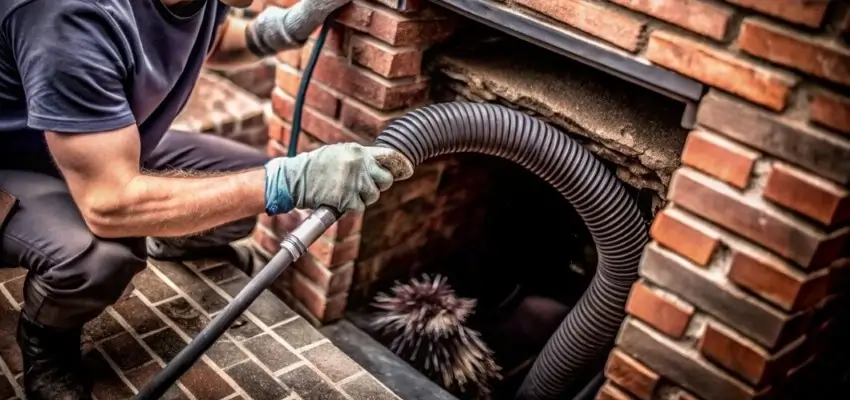
Less smoky smell, steadier flames: Chimney Cleaning around New Westminster
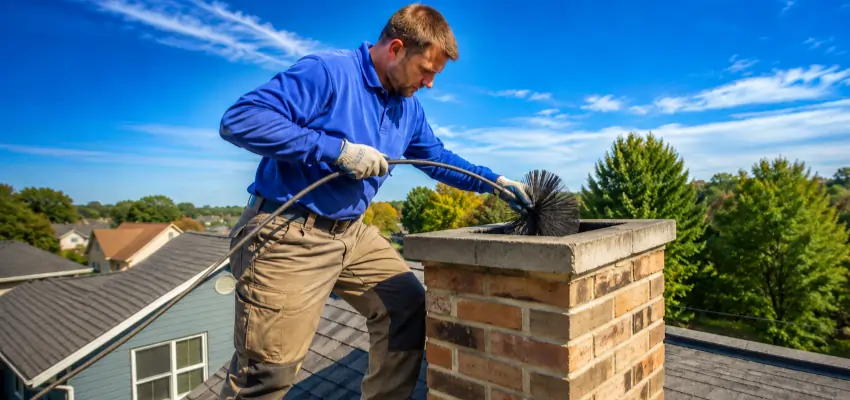
Your New Westminster fireplace, swept and checked: Chimney Sweep
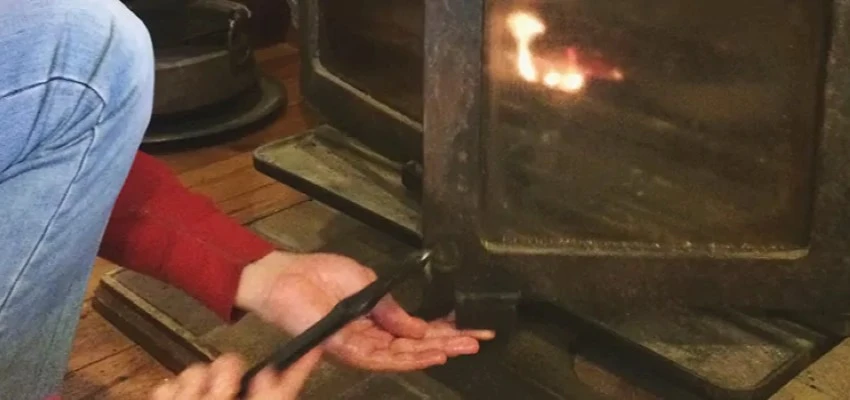
Swept and checked: Chimney Sweep Services in New Westminster
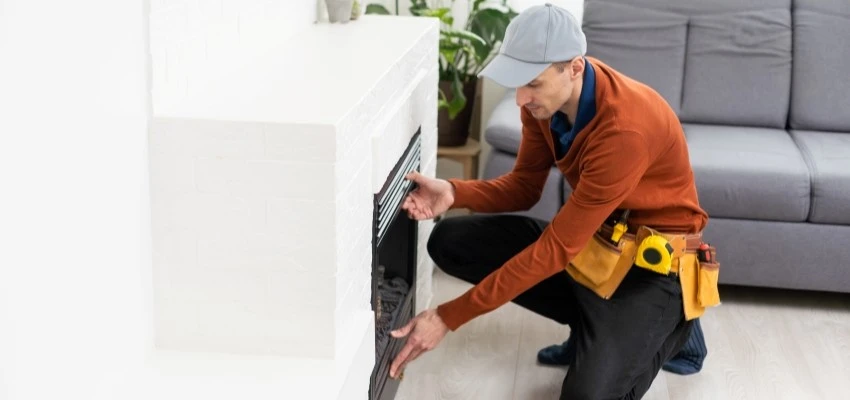
Wood units, stoves and inserts: Fireplace Experts serving New Westminster
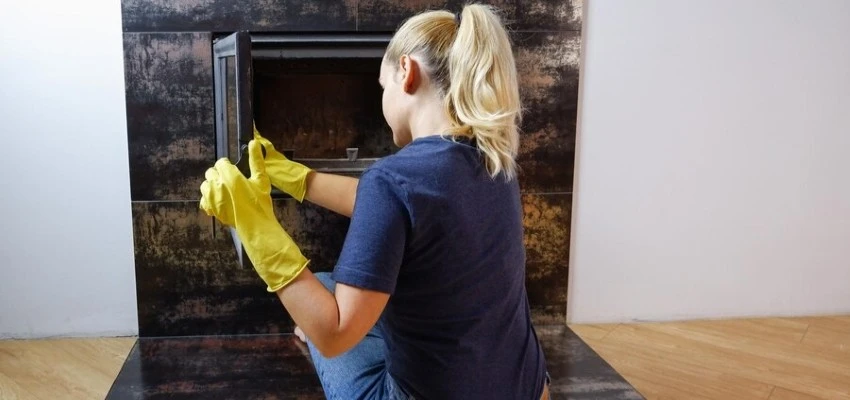
Fireplace smell at startup? Gas Fireplace Cleaning in New Westminster
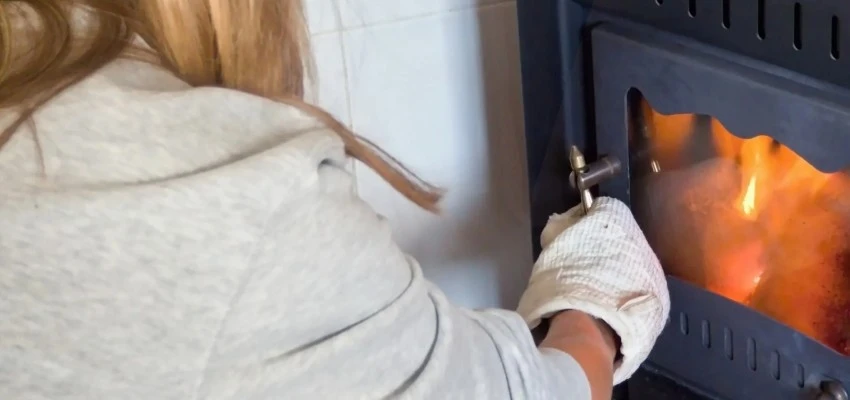
Slow to light? Gas Fireplace Maintenance near New Westminster

