
Booking is simple. Send your name, number and a short message, and someone will get back to you about Dryer Vent Replacement New Westminster
Maybe the dryer is fine and you are just curious. Maybe the clothes come out damp, or there is a smell you cannot quite place. Either way, looking up “dryer vent replacement” makes sense, and one simple rule sorts most homes in New Westminster into the right group. A single slow load is rarely a concern. Loads that keep taking longer, a cabinet that feels hot to the touch or a scorched smell near the machine are the signs worth acting on, and a good moment to ask about dryer vent replacement.

It can. Lint is light, dry and burns easily, and a clogged vent traps both lint and heat close to the dryer’s heat source. Dryers have safety switches that cut the heat when temperatures climb too high, but those parts can wear out, and a blocked vent makes them trip far more often. The risk for any single home is modest, yet it is real enough that keeping the vent clear is widely recommended. Empty the screen every time you use the dryer, avoid running it when nobody is home and have the vent cleaned if drying times are getting longer.
It matters because, from the technician’s side, a dryer vent is an exhaust pipe, and every exhaust pipe depends on open airflow. When we take apart a vent that has gone a long time without attention, we usually find a lint lining along the walls, heavy clumps at the elbows and sometimes a hood that barely opens. That restriction makes the dryer cycle longer and run hotter, and its thermal safety switches end up doing far more work. Clearing it restores the flow the dryer was designed around. Homeowners often notice shorter drying times within a few loads, which is the easiest proof that the work made a difference.
A dryer vent needs replacing rather than cleaning when the duct itself is damaged or made of the wrong material. Common reasons include crushed or torn sections, joints that have separated inside a wall, plastic or thin foil hose, heavy rust and runs that sag enough to hold water. A vent that is much longer or has more bends than the dryer can push air through may also need rerouting. Cleaning will not fix any of these, because the problem is the pipe, not the lint. If you are unsure, a technician can check the run and show you what they find before you decide.
A humid laundry room usually means the moist air from the dryer is not making it outside. That can happen when the vent is clogged, when the connector hose has slipped off behind the machine or when the outside flap is stuck. In colder months, warm exhaust can also condense inside a long or uninsulated run, leaving droplets or damp lint in the duct. Check that the hose is attached at both ends and that the flap opens. If you see water dripping from the vent or rust stains on the duct, have the run looked at, since trapped moisture makes lint cling and can damage nearby drywall.
The clearest sign of a clogged dryer vent is laundry that takes longer to dry than it used to. Other clues tend to show up alongside it:
One sign alone may have another cause, but two or three together usually point to a restricted vent that deserves a proper check.

We clean roof vents from the laundry side first and finish at the cap, and they are some of the most packed vents we see. Lint travels up the vertical section, loses speed and falls back, so it builds in layers near the bottom of the riser and again at the cap. Many roof caps were never designed for dryers and have small openings or screens that collect lint quickly. Our rods have to be long enough for the full rise, and we only go up to the cap when the weather and pitch make it safe to be on the roof. Sometimes we suggest a cap made for dryer exhaust, which stays clear much longer.
A straightforward replacement, such as a new connector and a short run through an exterior wall, often fits into a few hours. Longer routes, ceiling or basement runs, roof exits and jobs that involve opening and closing drywall can take most of a day or be split across two visits. The time also depends on how easily the old duct comes out. When you request a quote for “dryer vent replacement”, ask for an estimated duration and whether you will be without the dryer overnight, so you can plan laundry around the work.
In most cases, yes. Once the new duct is connected and sealed, the installer should run the dryer, check airflow at the exterior hood and confirm the connector has a gentle curve behind the machine. You can start laundry right away. A faint smell from new materials or tape for the first load or two is normal. Keep an eye on drying times over the next week; they should be noticeably shorter if the old vent was the problem. If anything seems off after your “dryer vent replacement” work, call the company back while the job is fresh.
If we were hiring someone for our own homes, we would listen to how they talk about the vent. A company that knows the work asks about the route, the exit point and the dryer type before quoting. It explains how it will clean, not just that it will. It shows you the lint and the airflow difference afterward and tells you plainly when something needs fixing. Tidy work matters too, because lint gets everywhere if equipment is handled carelessly. Clear communication on the phone is usually a good preview of how the visit itself will go.

Renovations, inspections and sales are all good reasons to check the parts of a home that are usually out of sight. We can fit the visit around your contractors or your listing date. Request a quote for dryer vent replacement and mention your timeline.
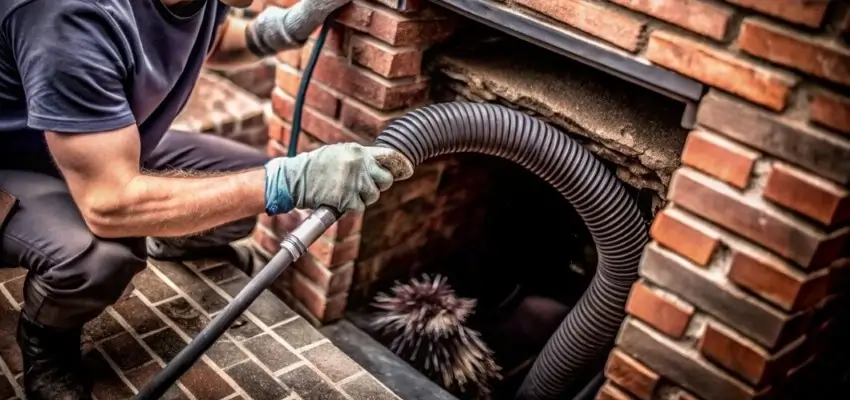
Less smoky smell, steadier flames: Chimney Cleaning around New Westminster

Your New Westminster fireplace, swept and checked: Chimney Sweep
Swept and checked: Chimney Sweep Services in New Westminster

Wood units, stoves and inserts: Fireplace Experts serving New Westminster
Fireplace smell at startup? Gas Fireplace Cleaning in New Westminster
Slow to light? Gas Fireplace Maintenance near New Westminster

