
Booking is simple. Send your name, number and a short message, and someone will get back to you about Dryer Vent Cleaning New Westminster
Most of a dryer vent is out of sight, tucked inside walls, ceilings or a crawlspace, which makes it easy to forget until the dryer starts acting up. If you typed “dryer vent cleaning” into a search bar, you probably want to know whether your own vent needs attention and what the work would look like. The answers on this page are written for homeowners around New Westminster, with honest detail about dryer vent service and no sales pitch.

Rigid or semi-rigid metal duct is generally the safer choice for a dryer vent, while thin foil and white plastic hoses are widely discouraged. Smooth metal walls let lint slide through instead of catching on ridges, and they hold their shape so the path stays open. Foil accordion hose sags, kinks and flattens easily behind the dryer, creating pockets where lint collects. Plastic hose can melt or burn and is not meant for dryer exhaust. If you can see white plastic or flimsy foil behind your dryer, ask about a replacement the next time the vent is serviced.
Not in the usual sense, because a ventless dryer has no duct to the outdoors. Condenser and heat pump models cool the moist air inside the cabinet, collect the water in a container or send it to a drain and reuse the dried air. They still need care, though: the lint screen after every load, plus a second filter or a condenser unit that has to be rinsed or brushed as the manual describes. If you are reading about “dryer vent cleaning” and are not sure which type you own, look behind the machine. A round outlet with a hose attached means it is vented; no outlet at all means it is not.
A bird nest in a dryer vent should be removed before the dryer is used again, because twigs and grass block airflow and catch lint quickly. Signs include chirping or scratching near the outside hood, nesting material poking out of the opening and a flap that stays open. Avoid reaching into the vent yourself, especially if birds are still inside. A technician can clear the nest, clean the duct behind it and fit a hood designed to keep birds out while still letting lint pass. Nesting season in spring is when this happens most often.
They are cleaned the same way as any other dryer vent, but attached homes give us the most interesting routes. Stacked laundry closets, ceiling runs that cross a hallway and exits through a balcony wall are all common, and access shapes the plan. We often clean from the unit side only when the outside hood is out of reach, and for upper floors we may need the building to open a roof hatch or arrange a lift. In townhouses, the duct sometimes runs under a floor or above a garage ceiling. We always confirm where the termination is before we start pushing lint toward it.
A dryer vent that ends on the roof is cleaned the same basic way as a wall vent, but it usually takes more time and needs roof access, so it is a job to leave to a professional. The technician typically cleans from inside first, then goes up to clear the roof cap, which often has a lint-clogged screen or a flap that has stuck. Roof vents tend to clog faster because the air has to push lint upward over a longer run. If your dryer vents through the roof, mention it when you book so the right ladders and rods come along.

Yes, though usually less often than a long one. A vent that goes straight through the wall behind the dryer carries lint out efficiently, so the duct itself may stay fairly clear. The weak points simply move: the connector behind the machine gets crushed when the dryer is pushed back, and the outside hood collects fluff where the air slows against the flap. Short vents near ground level are also easy targets for nesting birds. Glancing at the flap every few months and booking dryer vent service when drying times creep up keeps a short run working well without paying for visits it does not need.
When we put together a price, we are really estimating time and access. A short vent through the wall behind the laundry room is quick. A vent that crosses a finished basement ceiling, climbs to the roof or exits three stories up needs more equipment and more care. Heavy buildup or a nest takes extra passes. Parts are separate from labor, so a new transition hose or hood shows up as its own line. We would rather explain those factors up front than surprise anyone, which is why we ask a few questions about your dryer vent before giving a figure.
We tell most households to plan on yearly cleaning and then adjust based on what we find. If we pull a thick layer of lint out of the duct after twelve months, that home should come back sooner. If the run is short and only lightly coated, stretching the interval is reasonable. Laundry volume is the biggest factor, followed by vent length, the number of bends and how much pet hair or towel fluff goes through the machine. Writing down the date of each cleaning, with a note about how much came out, makes the right schedule easy to see.
Comparing dryer vent quotes is easiest when each one covers the same work. Check whether the price includes the whole run from the dryer to the outside, the transition behind the machine and the exterior hood, and whether it changes for roof exits, long runs or heavy buildup. Look at how repairs and parts would be priced if they turn out to be needed. A quote that seems much lower than the rest may leave out part of the vent or add charges on site. The clearest quotes are written, specific to your home and explained without pressure to decide on the spot.

When you call, you speak with people who know the work and can answer practical questions about your dryer vent. Reach Chimney Sweep New Westminster at (778) 488-0837 and we will help you decide on the next step for your home in New Westminster.
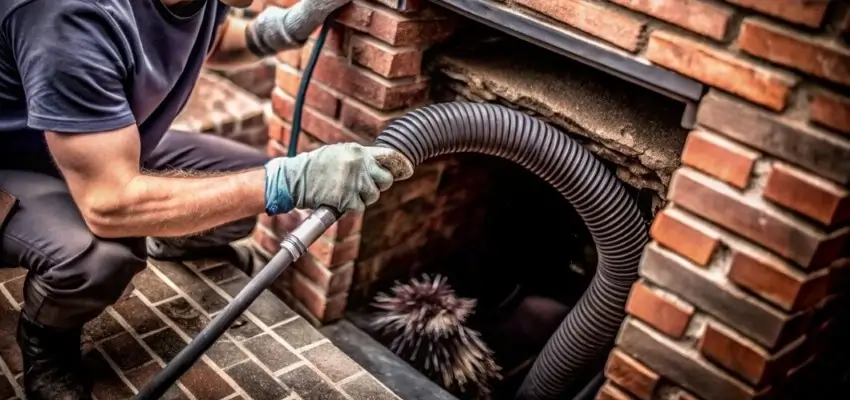
Less smoky smell, steadier flames: Chimney Cleaning around New Westminster

Your New Westminster fireplace, swept and checked: Chimney Sweep
Swept and checked: Chimney Sweep Services in New Westminster

Wood units, stoves and inserts: Fireplace Experts serving New Westminster
Fireplace smell at startup? Gas Fireplace Cleaning in New Westminster
Slow to light? Gas Fireplace Maintenance near New Westminster

