
Booking is simple. Send your name, number and a short message, and someone will get back to you about Dryer Lint Cleaning New Westminster
Moving into a new place, buying a new dryer or noticing a musty laundry room can all raise the same question: when was the vent last cleaned? People in New Westminster who end up typing “dryer lint cleaning” often have no idea, and that is completely normal. With no record to go on, it is reasonable to treat the vent as due. A look at the outside hood helps: a flap that stays shut while the dryer runs, or fluff caught in the louvers, is a good reason to ask about dryer lint cleaning sooner rather than later.

Dryer vent cleaning matters because the vent is the only way hot, moist air and loose lint can leave the machine. When lint narrows that path, the dryer has to run longer to finish each load, which wastes energy and wears out parts such as the heating element and blower. Heat also builds up inside the cabinet and duct, and lint ignites easily. Keeping your dryer vent clear helps loads dry on time, keeps the laundry room cooler and reduces a known fire risk in many homes. It is a small job compared with replacing a dryer that has been straining for too long.
Yes, a badly restricted vent raises the chance of a dryer fire, although most clogged vents never reach that point. What concerns us is a combination: lint packed into the duct, a cabinet that feels hot and a dryer that has been cycling on its high-limit switch for months. Crushed foil or plastic connectors behind the machine make things worse because they hold lint right where the air is hottest. When we clear a vent like that, we also check the connector and the outside hood, since an open path from end to end is what keeps temperatures where the manufacturer intended.
Trapped moisture almost always means the exhaust is moving too slowly, and it is one of the more useful clues we get. Every load of wet laundry releases a surprising amount of water as vapor, and all of it has to travel through the duct. If the air slows down, it cools before it gets out, and the water drops out inside the pipe. We find this most in long runs through unheated attics, garages and crawlspaces, and in ducts that sag and let water pool. Wet lint turns into a paste that blocks airflow faster than dry lint does. Correcting the slope, insulating exposed sections and clearing the buildup usually solves it.
The pattern we hear most is a dryer that used to finish a load in one cycle and now needs two. That change happens gradually, so people adapt without noticing. Other things we look for on arrival: a scorched-dust smell near the machine, a top panel that is hot to the touch and a weak puff of air at the exterior opening. Sometimes the dryer shuts off mid-cycle because its overheat protection has tripped. When several of these show up at once, the vent is almost always involved, and clearing it is the first fix to try.
A thin, even layer after each load is normal, and a thicker mat after towels or bedding is expected too. What is not normal is finding almost nothing on the screen after a full load of towels, because it can mean lint is slipping around a damaged screen or the dryer is not moving enough air to carry it there. Lint collecting on the floor around the dryer, inside the door seal or on the wall behind the machine is another warning. Either case is worth mentioning when you book dryer lint cleaning, since it points to where the fibers are escaping.

Preparing for a dryer vent visit mostly means making room. Finish any laundry in progress and empty the dryer, then clear baskets, detergent bottles and anything stored on top of or beside the machine so it can be pulled out. If the laundry is in a closet, take out what is on the floor. Outside, move furniture, bins or planters away from the vent hood and unlock any gate. Let the company know about stairs, tight doorways or a vent that exits on the roof. A clear path saves time and protects your floors and walls.
A dusty laundry room usually means lint is escaping before it reaches the outside. Common reasons include a hose that has slipped off its fitting, a gap at the wall connection, a worn door seal or a torn screen. Some fluff also drifts out when you empty the screen. Wipe surfaces with a damp cloth rather than a dry duster, and check the connection behind the dryer. If the dust returns quickly, a “dryer lint cleaning” visit can find the leak and seal it, which keeps the room cleaner and sends the lint where it belongs.
Clean the dryer lint trap after every load by pulling the screen out and peeling the lint off with your fingers. Every month or two, wash the screen in warm, soapy water with a soft brush, rinse it and let it dry completely before putting it back. This matters if you use dryer sheets or fabric softener, which can leave a film that blocks the mesh even when it looks clean. To test it, run a little water over the screen: if the water pools instead of passing through, it needs washing. Vacuum the slot the screen sits in while you are at it.
Choose a dryer vent company that explains its process clearly and quotes based on your actual vent. A good company asks where the vent exits and how long the run is, tells you what the visit includes and gives a written price before starting. On the day, the technician should test airflow, show you what came out and point out any damage without pressuring you into repairs. Read recent reviews for comments about punctuality and tidiness. Be wary of very low advertised prices that grow once someone arrives, or of anyone pushing full air duct cleaning when you only asked about the dryer.

The systems that keep a home comfortable tend to work quietly in the background until something goes wrong. A planned visit is a calm way to keep your dryer vent in good shape. Request a quote from the Chimney Sweep New Westminster team in New Westminster.
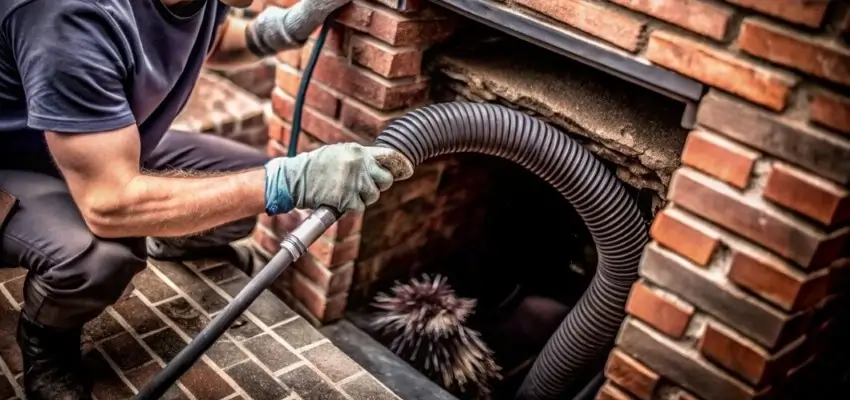
Less smoky smell, steadier flames: Chimney Cleaning around New Westminster

Your New Westminster fireplace, swept and checked: Chimney Sweep
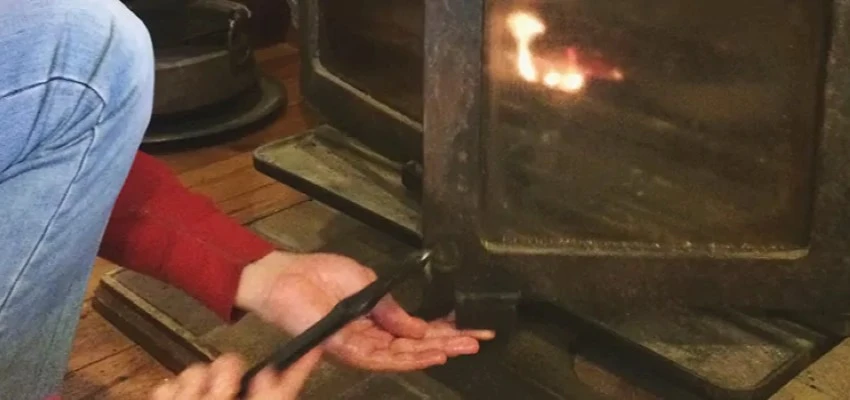
Swept and checked: Chimney Sweep Services in New Westminster

Wood units, stoves and inserts: Fireplace Experts serving New Westminster
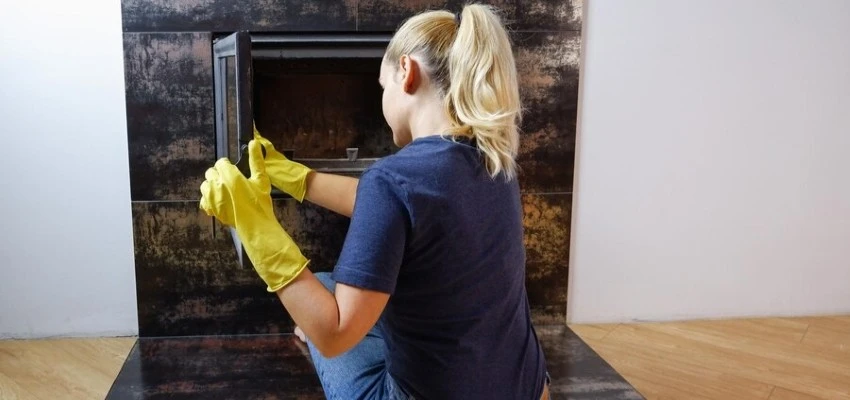
Fireplace smell at startup? Gas Fireplace Cleaning in New Westminster
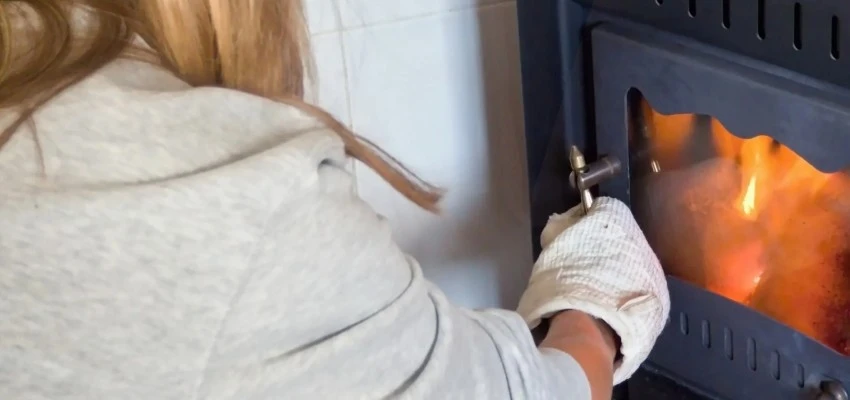
Slow to light? Gas Fireplace Maintenance near New Westminster

