
Booking is simple. Send your name, number and a short message, and someone will get back to you about Cracked Fireplace Bricks Repair New Westminster
How long will it take? Can it be done without tearing everything out? When can we light a fire again? These questions come up in almost every conversation we have about fireplace work. For homeowners in New Westminster who searched for “cracked fireplace bricks repair”, we have gathered the answers in one place, with practical notes on firebox brick repair drawn from jobs in homes much like yours.

Remodeling changes how a fireplace looks or what it burns, while repair restores parts that have worn out or been damaged. Refacing, a new mantel or a wood-to-gas conversion are remodeling jobs. Fixing cracked firebricks, a stuck damper, a deteriorated smoke chamber or rusted metal parts is repair. Many projects include both: a makeover often uncovers damage that should be fixed while the area is open, and a repair can be a good moment to update the finish. Knowing which kind of work you need helps you find the right people and compare quotes fairly.
Heat cycling does most of the damage, with help from moisture and knocks. Every fire expands the face of the brick faster than its back, and over many seasons that stress opens cracks. Water from a missing cap or a damaged crown soaks into the brick and freezes or turns to steam, which flakes the surface away. Grates jammed against the back wall and heavy logs tossed in chip the edges. When we inspect, we tap and probe: a cracked brick that is still tight gets noted, while one that moves, or a joint we can rake out with a finger, gets repaired.
Yes. Firebricks are made from refractory clays that tolerate intense, repeated heat, and they are usually denser and lighter in color than the bricks on a house wall. Ordinary building brick can crack, flake or break down when it faces a fire directly, so it should not be used to patch a firebox. The mortar is different too: firebrick is laid with refractory mortar in thin joints, because standard mortar crumbles under that heat. If a previous repair used regular brick or mortar inside the firebox, it is likely to fail again and is worth correcting during your firebox brick repair visit.
Most firebox damage is repaired by repointing worn joints and replacing cracked bricks, without rebuilding the whole firebox. Old, loose mortar is raked out and replaced with refractory mortar made for direct heat, since ordinary mortar breaks down quickly in a firebox. Bricks that are cracked through or crumbling are cut out and replaced with matching firebrick. When large areas are failing, or the back wall has bulged, a section or the full firebox lining is rebuilt. Afterward, the repairs need time to cure, and the first fires should be kept small.
Small repairs, such as replacing a few firebricks or fixing a damper, often take a single visit, while refacing, mantel work or a conversion can take several working days spread over a week or two. Masonry and mortar need time to cure before the fireplace is used, and some finishes must set before the next layer goes on. Ordering stone, tile, a mantel or a gas insert can add weeks before work starts. Ask for a schedule that shows working days, waiting time for curing or materials and the earliest date you can light a fire again.

Often they can. When the damage is limited to a handful of bricks, a mason cuts out the cracked ones, cleans the cavity and sets new firebricks in refractory mortar, leaving the rest of the wall untouched. The new bricks will look cleaner than their neighbors at first, but soot evens out the color after some use. This targeted approach is usually quicker and less disruptive than rebuilding a wall. If you are comparing quotes for “cracked fireplace bricks repair”, check whether the price covers individual bricks, repointing the surrounding joints or both, since loose joints often travel with cracked bricks.
Sometimes, and the deciding factors are gas, structure and venting. Cosmetic work on the outside of the fireplace rarely triggers a permit. Connecting a gas line, installing an insert with a new liner or rebuilding part of the firebox or chimney often does, depending on the rules where the house sits. Whoever does the work should know which applies and say so clearly in the quote. If a permit is needed, ask who will apply, who will be present for any inspection and whether the price includes it. Skipping this step can cause trouble later, for example when you sell the house.
Not safely, beyond the basics. We often find homemade repairs inside fireboxes: hardware-store mortar that has already crumbled, silicone smeared into joints and bricks set without proper bonding. Those fixes usually have to come out before the real repair can start, which adds work. What helps us most is a homeowner who watches for changes, keeps ash from piling up against the walls, avoids roaring fires and calls when something looks different. A yearly inspection then takes care of the parts you cannot see, such as the smoke chamber and the back of the damper.
Compare quotes line by line rather than by the total. Each should describe the same scope: what is removed, what is repaired, what new materials go in and who handles any gas, liner or venting work. Look for the material types, the finish details, protection and cleanup, disposal of old materials and any permit costs. Check how hidden damage would be priced if it turns up. A quote that looks much lower may simply leave out repairs another contractor included. Ask each company to explain anything vague before you decide.

If another company gave you a recommendation that does not feel right, we are happy to take a fresh look. You will get our honest view of your fireplace, with no pressure either way. Ask Chimney Sweep New Westminster for a second look in New Westminster.
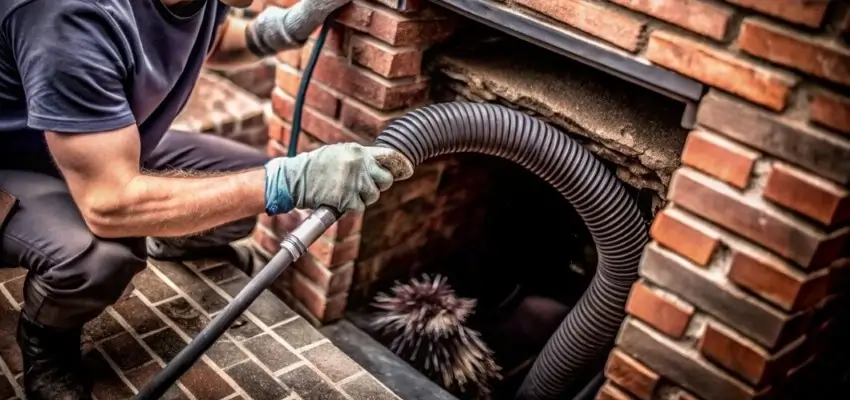
Less smoky smell, steadier flames: Chimney Cleaning around New Westminster
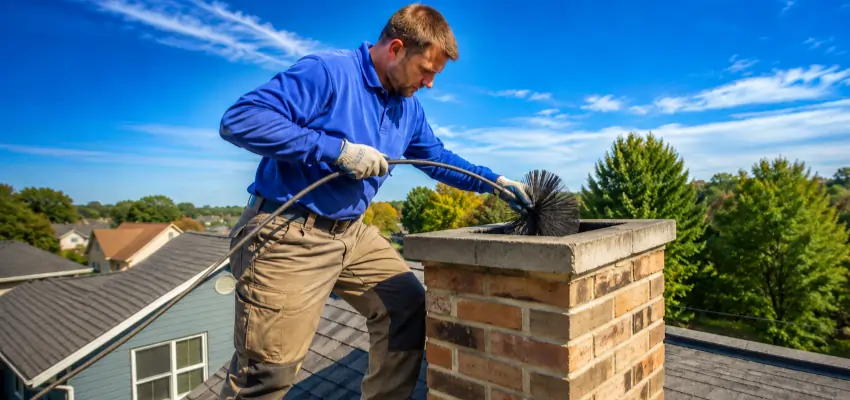
Your New Westminster fireplace, swept and checked: Chimney Sweep
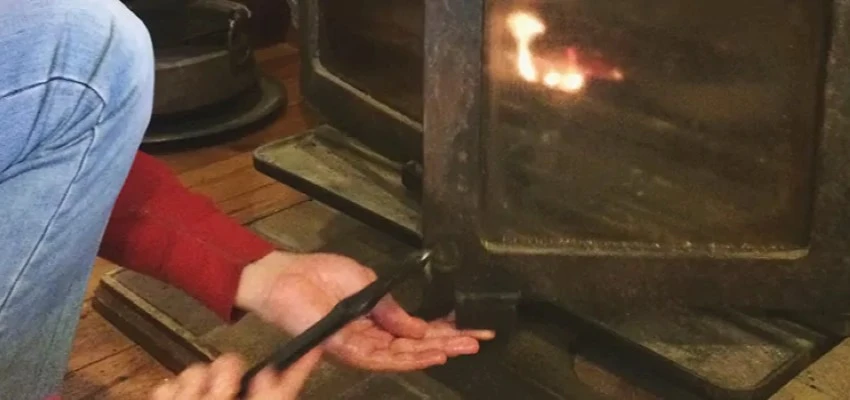
Swept and checked: Chimney Sweep Services in New Westminster
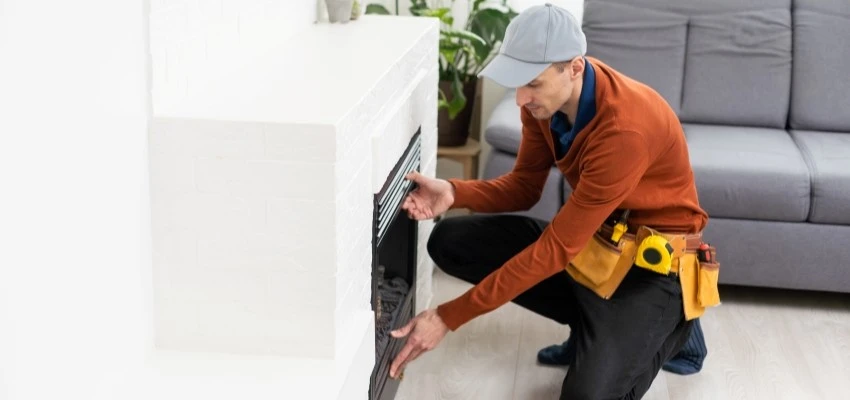
Wood units, stoves and inserts: Fireplace Experts serving New Westminster
Fireplace smell at startup? Gas Fireplace Cleaning in New Westminster
Slow to light? Gas Fireplace Maintenance near New Westminster

