
Booking is simple. Send your name, number and a short message, and someone will get back to you about Clogged Dryer Vent Cleaning New Westminster
Lint is sneaky. The screen catches most of it, yet a fine layer still slips through and settles along the inside of the duct, at every bend and around the outside hood. Over months, that layer adds up to a real restriction. If you found this page by looking up “clogged dryer vent cleaning”, here is what households in New Westminster usually want to know about clogged dryer vent cleaning, explained clearly and without exaggeration or scare tactics.

Gas and electric dryers both need a clear vent, and a gas dryer has one extra reason: its vent also carries combustion gases outside. If lint blocks the path, those gases have fewer places to go. That is why homes with a gas dryer should have working carbon monoxide alarms, especially near the laundry area and the bedrooms. Leave the gas connection alone, since moving the dryer or touching the supply line is a job for a qualified technician. If you ever smell gas, leave the home and call your gas utility from outside. The cleaning itself is very similar for both types.
Long drying times come down to airflow. A dryer heats air, pushes it through the tumbling clothes and has to dump that wet air outside so fresh air can take its place. When lint narrows the duct, moist air lingers in the drum and the clothes stay damp. We can measure the difference on the job: air at the hood is weak before cleaning and noticeably stronger after. If airflow turns out to be good and drying is still slow, we look elsewhere, such as the washer’s spin speed, a failing heating element or a moisture sensor that needs an appliance technician.
Most clogs start with ordinary lint, but they rarely stay that simple. Fine fibers stick to the duct wall, moisture from damp loads turns them into a tacky film and that film catches more fibers each cycle. Pet hair binds the mix together. Other culprits include a crushed hose behind the machine, a flap glued shut, a nest at the exterior opening and joints held with screws that snag fluff. Homeowners looking into “clogged dryer vent cleaning” usually find more than one of these at work, which is why clearing a clog should include checking the whole path, not only the visible end.
During dryer vent cleaning, the technician clears lint from the whole path between the dryer and the outside of the house. A typical visit starts with moving the dryer out and disconnecting the hose. The duct is then cleaned with rotating brushes and strong airflow, often from both the inside and the outside opening, and the loosened lint is collected with a vacuum. The hose and the outside hood get the same attention. Finally, the dryer is reconnected, pushed back carefully and run for a few minutes to confirm good airflow. You should see what came out and hear what was found.
A standard dryer vent cleaning usually takes about an hour, sometimes a little less for a short, straight vent. Longer visits are normal when the run is long, ends on the roof, has many bends or has not been cleaned in a long time. Extra work such as replacing the connector hose or the outside hood adds time too. Plan to be home for the whole visit, keep the path to the laundry area clear and expect a short walkthrough at the end. If you want a closer estimate, describe the vent route and where it exits when you book.

We love meeting pets, but we would rather they watch from a closed room. Our equipment includes hoses across the floor, a rotating brush that spins at high speed and a vacuum loud enough to frighten most animals. Children are naturally curious about where the lint comes out, and the brush end can whip when it exits the outside hood. A quick check at the start of the visit, to confirm which doors stay shut, solves all of that. Pet hair also tells us something useful: households with heavy shedders tend to need vent cleaning more often.
It is wise to cut back. If the vent is clearly blocked, with almost no air at the outside opening, a hot cabinet or a burning smell, stop using the dryer until the blockage is removed. If the signs are milder, such as loads taking a bit longer, run small loads on lower heat, stay home while it runs and empty the screen every time. Hang heavy items like towels and jeans to air-dry for now. These steps reduce strain on the machine while you wait for clogged dryer vent cleaning, and they cost nothing.
To check the outside dryer vent flap, start the dryer on a heated cycle and walk outside to the vent. The flap or louvers should open and you should feel a steady stream of warm air. When the dryer stops, they should fall closed on their own. If the flap barely moves, sticks open or is coated with lint, wipe it clean with a dry cloth while the dryer is off. A flap that still will not move freely, or a cracked or missing cover, should be replaced. Only check vents you can reach from the ground; leave second-story and roof vents to a professional.
Honestly, a careful homeowner can keep a short vent in decent shape between our visits. Where DIY goes wrong is on long or hidden runs. We regularly find brush heads stuck halfway up a duct, joints pulled apart by an overenthusiastic drill and lint packed tighter by a brush pushed in from the wrong end. Gas dryers add the risk of straining the supply connection when the machine is moved. Our advice: handle the screen, the slot and the outside hood yourself, and call a professional for the duct itself, especially if it has more than a couple of bends.

That is a smart move. Ask each company what is included, how long the visit takes and what you will be shown afterward. We are happy to answer those questions in writing. Request a detailed quote from Chimney Sweep New Westminster for your home in New Westminster.
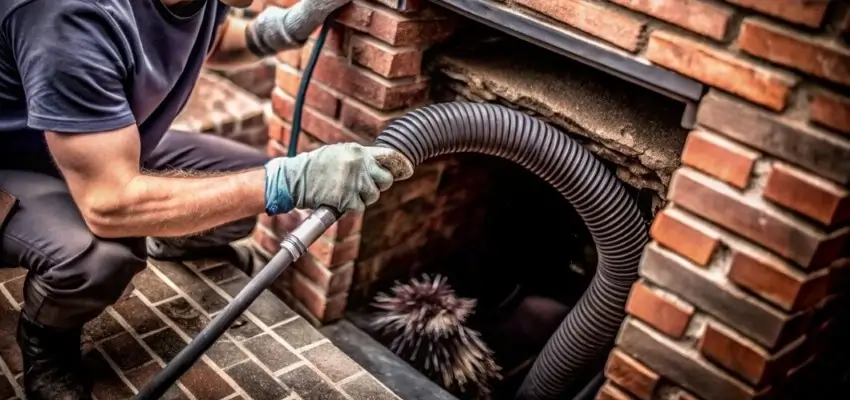
Less smoky smell, steadier flames: Chimney Cleaning around New Westminster
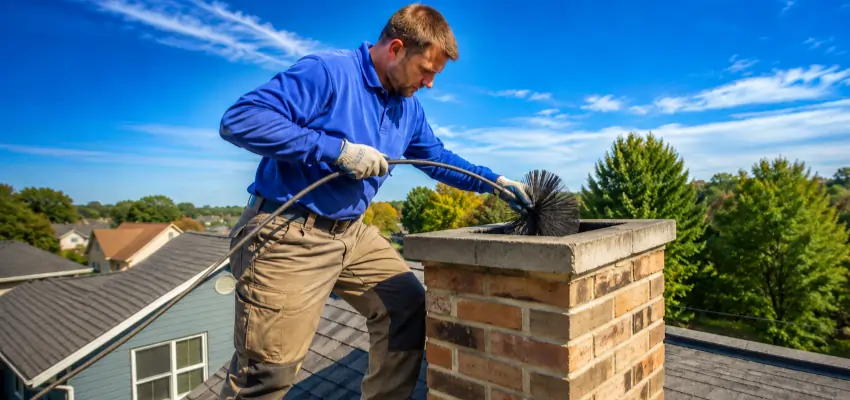
Your New Westminster fireplace, swept and checked: Chimney Sweep
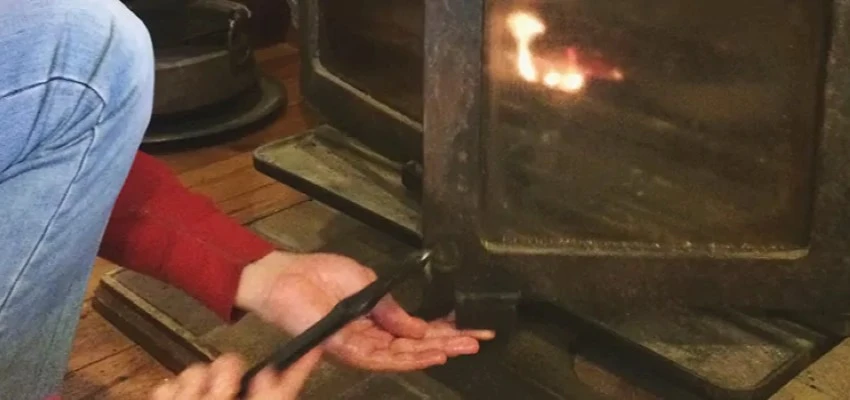
Swept and checked: Chimney Sweep Services in New Westminster

Wood units, stoves and inserts: Fireplace Experts serving New Westminster
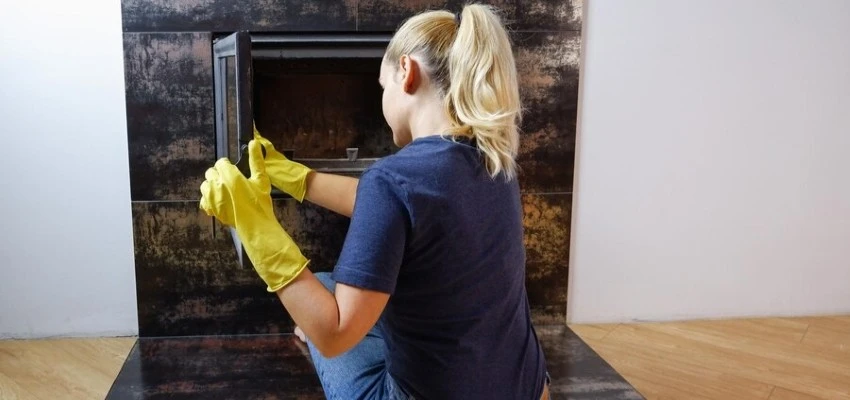
Fireplace smell at startup? Gas Fireplace Cleaning in New Westminster
Slow to light? Gas Fireplace Maintenance near New Westminster

