
Booking is simple. Send your name, number and a short message, and someone will get back to you about Chimney Sweep Services New Westminster
Nobody needs to panic about a chimney, and nobody should ignore one either. The sensible middle ground is knowing what to watch for and when to bring in help. If “chimney sweep services” is what you typed, this page lays out that middle ground for people in New Westminster: what chimney sweeping involves, what a technician looks at and what you can keep an eye on between visits, all in plain terms and with the reasoning behind each answer.

A basic sweep brushes the flue and clears what falls into the firebox. A full service goes further: it cleans the smoke chamber and damper, removes debris from the smoke shelf, checks the cap, crown and flashing and usually includes a camera look and written notes on condition. Some companies also include small adjustments, such as freeing a sticky damper or tightening a loose cap. When comparing “chimney sweep services”, ask which version a quote describes, because two offers with the same name can cover very different amounts of work and very different levels of detail afterward.
Soot and creosote are different deposits: soot is a dry, powdery carbon dust, while creosote is a tarry residue from wood smoke that can be flaky, sticky or glassy. Soot comes from incomplete burning and can be left by wood, oil or a gas appliance that is not running cleanly. It is lighter and brushes away easily, but it still narrows the flue and can hold moisture and odors. Creosote is the bigger fire concern because of its oily base. Seen from the firebox, soot looks like fine black powder, while creosote looks crusty, shiny or tar-like. A technician adjusts the cleaning to match.
Black flakes dropping from the damper, a sluggish fire and a campfire smell that hangs around are the signs we see most, and any owner can spot them. When we open a damper and a shower of debris comes down, the flue is overdue. A fire that sulks, needs constant coaxing or leaves a haze in the room tells us the draft is restricted somewhere. A sharp odor long after the last fire usually comes from deposits in the flue. We also ask about the calendar: if nobody remembers when the chimney was last swept, that alone is reason enough to book a look before the next fire.
The obvious signs are noise, smoke and flames at the top, but the ones we look for are what a fire leaves behind. Creosote that has burned swells into a light, porous crust that looks a little like charcoal sponge. Clay tiles crack or shift, metal liners and caps can buckle or turn blue, and the mortar near the top may show heat damage. We sometimes find these marks in chimneys whose owners had no idea anything happened, because a slow fire can burn out on its own. That is why a camera inspection is the usual next step whenever there is any doubt about a past fire.
A camera earns its place on almost every visit, because the inside of a flue is the one part of a chimney nobody can see directly, and most serious problems start there. The camera head rides up on a rod with its own light, and the screen shows each joint and tile in turn. That is how we find the hairline crack two thirds of the way up, the liner section that slipped after a storm, or creosote packed above a bend in a stovepipe. Recording it matters too: when we recommend a repair, the footage lets the owner see exactly what we saw rather than taking our word for it.

We tell most owners to plan on a yearly visit and let the findings set the sweeping schedule. If we pull out a heavy load after one season, the chimney should be checked sooner next time; if the flue is lightly coated, stretching the interval is reasonable. Fuel and habits matter more than the calendar. Dry hardwood burned hot leaves far less behind than damp wood or a stove turned down overnight, and inserts and stoves often need attention more often than open fireplaces. Keeping a note of each visit and what came out makes the right rhythm for your chimney easy to see.
Both approaches are common. Some companies set a base price for the first flue and add a smaller amount for each additional flue on the same chimney, while others quote the visit as a whole once they know the setup. Extras such as camera inspections, written reports, insert removal, heavy creosote work or cap installation are often itemized. Neither model is unfair in itself; what matters is that the quote is written and complete. Ask how “chimney sweep services” are priced before the visit, and whether anything found on the day would change the figure.
Preparing for a chimney visit mostly means letting the fireplace or stove cool and clearing space around it. Skip fires for at least a day beforehand so the ashes and flue are cold. Move furniture, rugs, screens and decorations a few feet back from the hearth, and take fragile items off the mantel. Outside, make sure the technician can reach the roof: unlock gates, move vehicles away from the walls where a ladder may go and keep pets indoors. Note anything unusual you have noticed, such as smells, sounds or smoke, and have the date of the last cleaning handy if you know it.
Describe the appliance, the building and what prompted the call, because those three details decide which tools and how much time the visit needs. Say whether it is an open fireplace, an insert, a wood stove or a gas appliance, how many flues the chimney has and roughly how tall the building is. Mention the roof type and anything that makes access tricky, such as a steep pitch or a locked gate. Add when the chimney was last swept, if you know, and anything unusual: smells, smoke, sounds, water stains or an animal. A photo of the chimney top helps too.

Tell us your address in New Westminster, what you have noticed and when you are usually home. That is all we need to plan chimney sweeping around your schedule. Send the details and the Chimney Sweep New Westminster team will reply with options and a price.
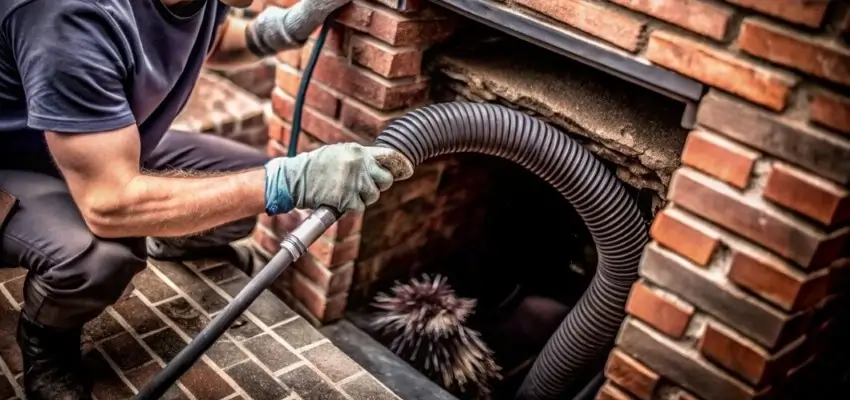
Less smoky smell, steadier flames: Chimney Cleaning around New Westminster
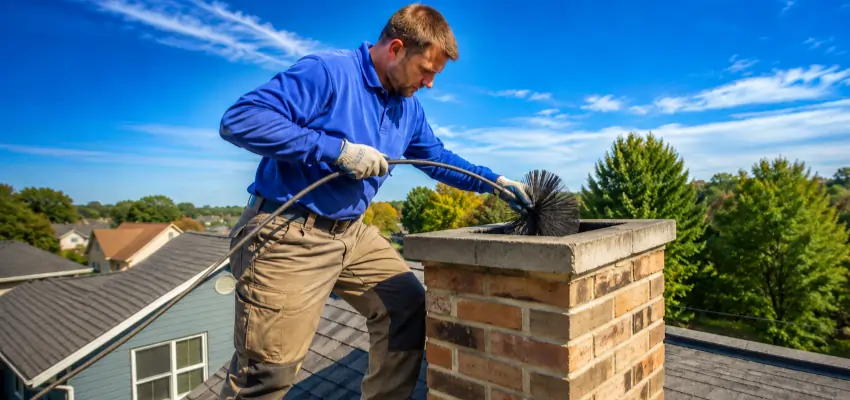
Your New Westminster fireplace, swept and checked: Chimney Sweep
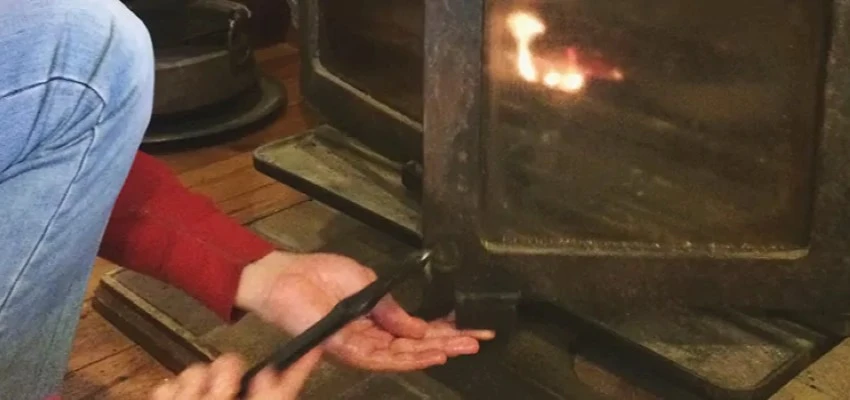
Swept and checked: Chimney Sweep Services in New Westminster
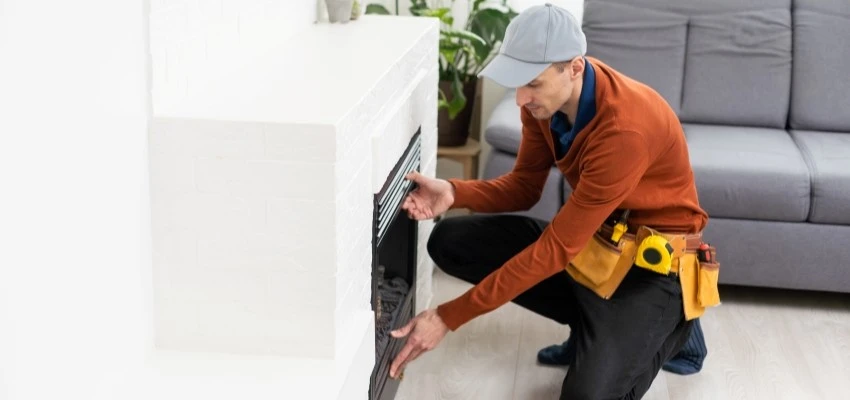
Wood units, stoves and inserts: Fireplace Experts serving New Westminster
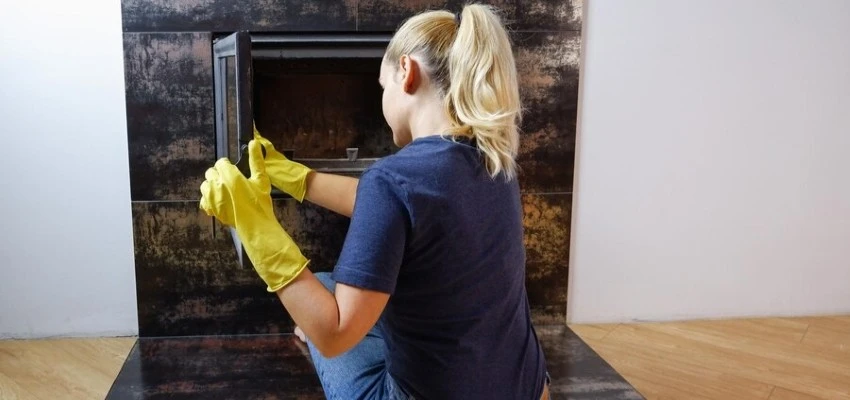
Fireplace smell at startup? Gas Fireplace Cleaning in New Westminster
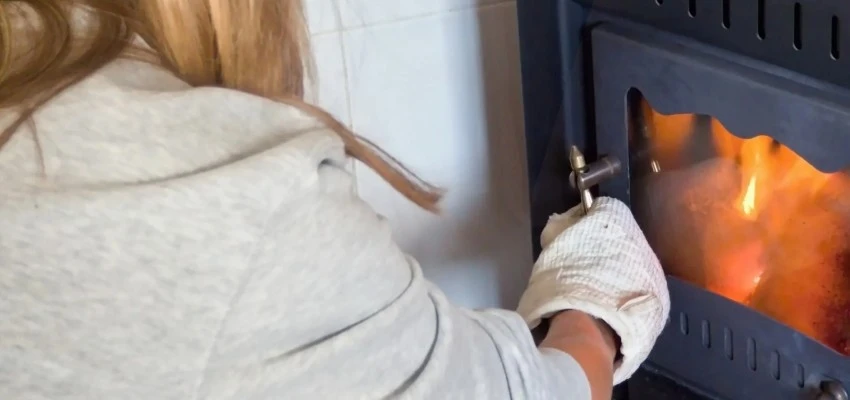
Slow to light? Gas Fireplace Maintenance near New Westminster

