
Booking is simple. Send your name, number and a short message, and someone will get back to you about Chimney Soot Cleaning New Westminster
From the street, most chimneys look fine. The trouble, when there is any, usually sits inside the flue or at the very top where nobody looks: dark crusts of buildup, a cracked tile, a nest, a cap loosened by the wind. If you found this page by looking up “chimney soot cleaning”, here is what owners in New Westminster should know about soot cleaning, explained clearly and without exaggeration so you can decide what your chimney needs.

Signs of a chimney fire include a loud roaring or popping sound, dense smoke, a strong hot smell and sparks or flames from the top of the chimney, but many chimney fires burn quietly and are only discovered later. Afterward you might notice puffy, honeycomb-like flakes of creosote on the roof or ground, a warped damper or cap, cracked flue tiles or discolored metal. If you think a fire is happening, get everyone outside and call the fire department. If you suspect one happened in the past, stop using the fireplace or stove until the chimney has been inspected.
Soot on the face of a fireplace, especially above the opening, usually means smoke is escaping into the room instead of rising up the flue. Common causes are a damper not fully open, a cold flue at start-up, a house short of fresh air, wet wood or buildup that has narrowed the chimney. Gas fireplaces can leave staining too when the burner is not running cleanly. The stain itself is a clue, so mention it when booking “chimney soot cleaning”. The technician can clear the flue and look for the draft problem that put the soot there in the first place.
The smell comes from deposits reacting with moisture, and summer simply supplies more moisture. Creosote is porous, so on muggy days it soaks up water and releases the odor compounds trapped inside it. At the same time, a house with its windows shut and fans running often pulls outside air in through the easiest opening, which is frequently the chimney. We confirm that by feeling for a downdraft at the damper. Musty or rotten smells point elsewhere: water soaking into masonry, leaves decaying on the smoke shelf or an animal that died in the flue. Each cause has a different fix, so identifying it comes first.
Yes, a gas fireplace that leaves soot on its glass, logs or surround is telling you the flame is not burning cleanly. Causes include logs that have shifted out of position, a burner that needs cleaning or adjusting and venting that is partly blocked. Do not try to rearrange logs or adjust the burner yourself; that work belongs to a qualified gas technician. Keep working carbon monoxide alarms in the home, and if you ever smell gas, leave the building and call the gas utility from outside. A “chimney soot cleaning” visit can clear the vent, while the appliance itself is serviced separately.
During a chimney sweep, the technician scrubs the inside of the flue from top to bottom and removes the loosened buildup without spreading it through the room. A typical visit starts with drop cloths around the hearth and a powerful vacuum set up at the fireplace or stove opening. Brushes sized to the flue are run through on flexible rods, from below, from the roof or both. The smoke chamber, damper and firebox are cleaned as well. Most sweeps finish by checking the cap and the visible parts of the chimney and telling you what they saw, including anything that needs attention later.

We tell most owners to plan on a yearly visit and let the findings set the sweeping schedule. If we pull out a heavy load after one season, the chimney should be checked sooner next time; if the flue is lightly coated, stretching the interval is reasonable. Fuel and habits matter more than the calendar. Dry hardwood burned hot leaves far less behind than damp wood or a stove turned down overnight, and inserts and stoves often need attention more often than open fireplaces. Keeping a note of each visit and what came out makes the right rhythm for your chimney easy to see.
From the scheduling side, spring and summer give owners the most choice and give us time to handle repairs before the cold arrives. A flue swept right after the last fire of the season also smells better through the muggy months. The rush starts with the first chilly week of fall, and calendars around New Westminster fill quickly from there. For businesses with fireplaces or ovens, quieter stretches of their year are usually easier for access as well. We sweep in every season, though. The right time is whenever a problem shows up, and otherwise a fixed month you will remember each year.
Any home with a fireplace, wood stove or gas appliance should have working carbon monoxide alarms on every level and near sleeping areas, along with smoke alarms. Carbon monoxide has no color or smell, so an alarm is the only dependable warning if a blocked or damaged flue pushes exhaust back indoors. Test alarms monthly, change batteries as the maker suggests and replace the units when they reach the end of their stated life. If a CO alarm sounds, get everyone outside and call the fire department from outdoors. Do not go back in until you are told it is safe.
The biggest advantage of a chimney company that works nearby is familiarity with the buildings, weather and chimney styles of your area. Neighborhoods built in the same era tend to share construction details, so a nearby technician has likely seen your type of chimney many times. Local crews can also schedule more flexibly and return easily if a cap needs adjusting or you have a question later. Before booking, confirm the company works in your area itself rather than passing the job along, and ask for a clear arrival window. Recent reviews from nearby addresses are a useful check.

Whether you want to book now or just gather information first, we are glad to help. Ask your questions about soot cleaning, your chimney or the timing that suits you. Contact Chimney Sweep New Westminster for homes across New Westminster.
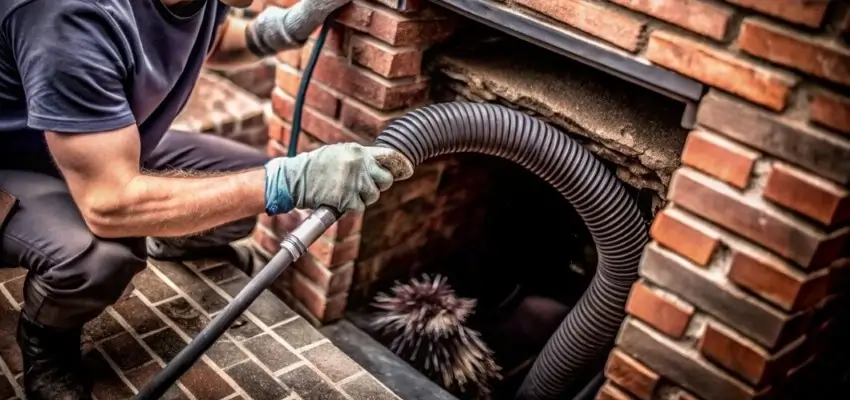
Less smoky smell, steadier flames: Chimney Cleaning around New Westminster

Your New Westminster fireplace, swept and checked: Chimney Sweep
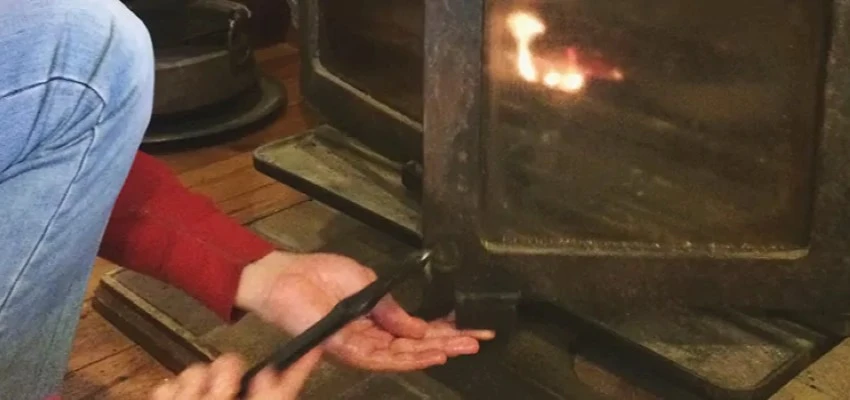
Swept and checked: Chimney Sweep Services in New Westminster
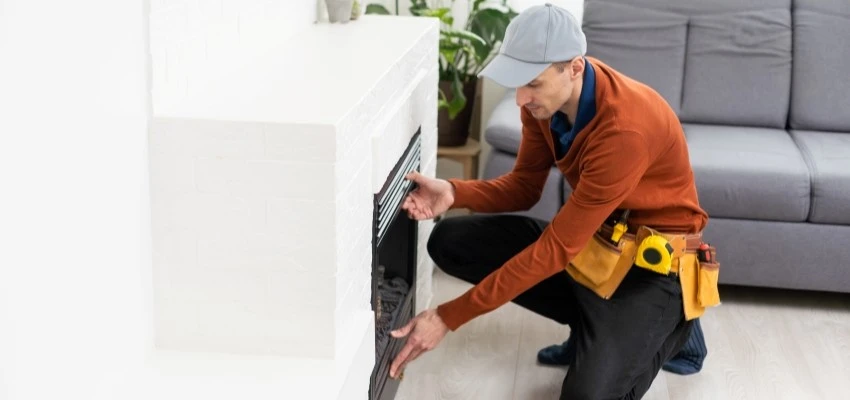
Wood units, stoves and inserts: Fireplace Experts serving New Westminster
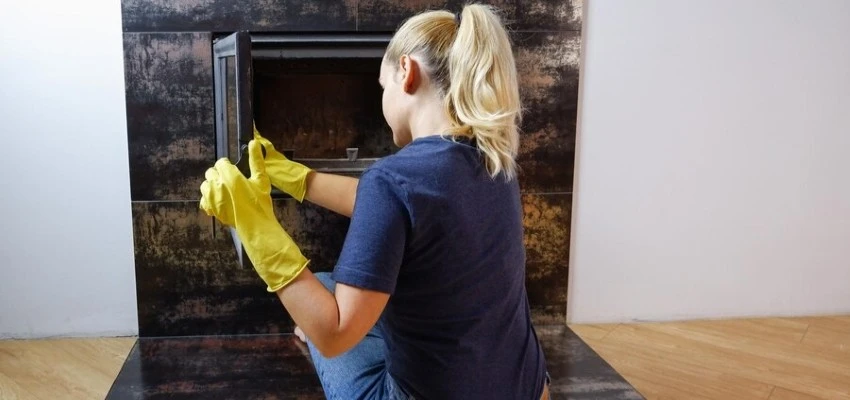
Fireplace smell at startup? Gas Fireplace Cleaning in New Westminster
Slow to light? Gas Fireplace Maintenance near New Westminster

