
Booking is simple. Send your name, number and a short message, and someone will get back to you about Chimney Service Company New Westminster
The first cool evening of the season is when many people remember the chimney and start wondering what state it is in. If you searched for “chimney service company”, you probably want clear facts before anyone climbs onto the roof. This page answers the questions owners around New Westminster ask most often about chimney care, in plain language and without scare tactics. Read the parts that match your situation, skip the rest and come away knowing what is normal, what deserves a closer look and what can safely wait.

Soot and creosote are different deposits: soot is a dry, powdery carbon dust, while creosote is a tarry residue from wood smoke that can be flaky, sticky or glassy. Soot comes from incomplete burning and can be left by wood, oil or a gas appliance that is not running cleanly. It is lighter and brushes away easily, but it still narrows the flue and can hold moisture and odors. Creosote is the bigger fire concern because of its oily base. Seen from the firebox, soot looks like fine black powder, while creosote looks crusty, shiny or tar-like. A technician adjusts the cleaning to match.
Smoke spills in when the draft is weaker than the push of the fire, and we usually trace it to one of a few causes. In tight, well-sealed houses, exhaust fans and dryers create enough suction that the chimney becomes an air intake instead of an exhaust. Short chimneys, nearby trees or a taller roofline beside the stack can disturb the airflow at the top. Inside the flue, heavy creosote, a nest or fallen debris narrows the path. Sometimes the fireplace opening is simply too large for the flue. Finding which one applies takes a look from both ends, and the fix ranges from a habit change to a repair.
A chimney camera is worth using because it shows the full length of the flue, where cracks, gaps and hidden buildup sit far beyond the reach of a flashlight. From the bottom or top you can see only a few feet in; the camera travels the whole way on a flexible rod and records what it finds. It can reveal broken or shifted tiles, missing mortar between sections, damage from an old chimney fire, separated metal joints and obstructions partway up. Ask to see the footage or still images. They make a recommendation much easier to understand and to compare if you want a second opinion.
Late spring and summer are often the easiest times to have a chimney swept. The burning season is over, so the flue holds a full year of deposits, and sweeping then clears them before humid weather brings out odors. Appointments are also easier to get than in early fall, when many people remember their chimney at the same moment. Fall still works if you book ahead and leave time for any repairs the visit turns up. Heavy wood burners may add a midwinter check. If something already seems wrong, book right away instead of holding out for a particular month.
You can reduce creosote buildup mostly by burning dry wood in hot, lively fires. Use firewood that has been split and stacked under cover for several months, longer for dense hardwoods, and consider an inexpensive moisture meter to take the guesswork out. Give the fire enough air instead of letting it smolder, and avoid packing a stove full and shutting the air down overnight. Never burn trash, cardboard, painted or pressure-treated wood, or a holiday tree. Smaller, hotter loads leave less behind than big, smoky ones. These habits will not replace sweeping, but they slow the buildup noticeably.

The biggest advantage of a chimney company that works nearby is familiarity with the buildings, weather and chimney styles of your area. Neighborhoods built in the same era tend to share construction details, so a nearby technician has likely seen your type of chimney many times. Local crews can also schedule more flexibly and return easily if a cap needs adjusting or you have a question later. Before booking, confirm the company works in your area itself rather than passing the job along, and ask for a clear arrival window. Recent reviews from nearby addresses are a useful check.
Before anyone climbs the roof, you should have a written description of the work, the price and what that price includes. That means the number of flues, whether an inspection or camera scan is part of it, how debris and soot will be contained and removed and what happens if extra problems turn up. For repairs, the materials and the expected timeline belong in writing too. Any business that turns up when you search for “chimney service company” should be comfortable providing all of this by email, and it should explain any item you do not understand before asking you to agree.
Look for a company whose technicians explain what they are doing as they do it; in our experience, that habit says more than any advertisement. Good chimney work is mostly visible only to the person on the roof, so the way a company shares photos, measurements and findings is your window into its standards. Ask how it protects floors and furniture, whether a camera check is included and who will actually come. Notice whether it separates urgent issues from ones that can wait. How a company handles your first phone call tends to match how it will handle your chimney.
Line the quotes up and compare what each one actually covers rather than the totals alone. Check whether both include every flue, the smoke chamber and firebox, an inspection, photos and a written report. For repair quotes, compare materials, the extent of the work and how long it should last. A noticeably lower price may leave out something the other includes, while a much higher one may cover extra work you were not told about. Ask each company the same questions in writing. The clearer answers usually point to the better fit for your chimney care needs.

The quote form takes a minute or two. Add your address in New Westminster, a line about what you need and how you would like us to reach you. Fill in the form and we will get back to you with a price and the next available times for chimney care.
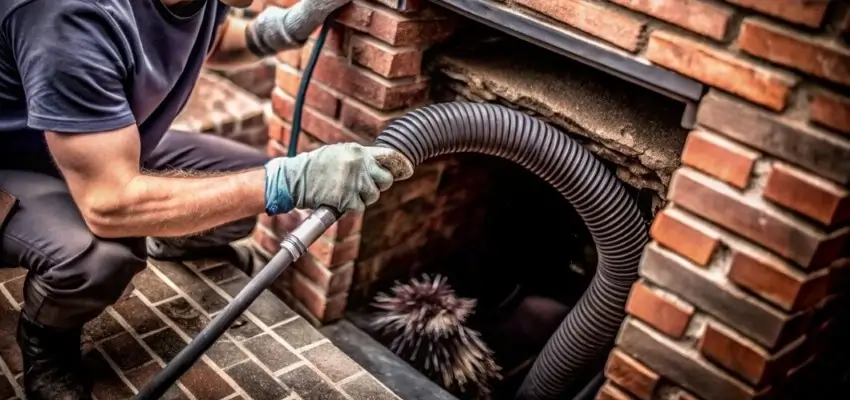
Less smoky smell, steadier flames: Chimney Cleaning around New Westminster

Your New Westminster fireplace, swept and checked: Chimney Sweep
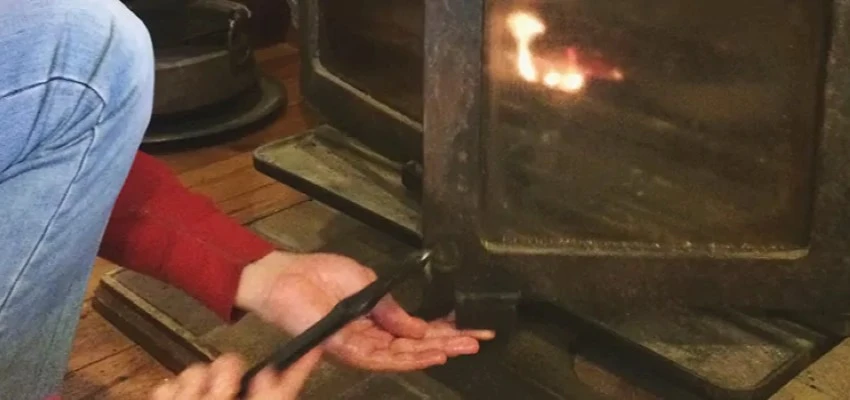
Swept and checked: Chimney Sweep Services in New Westminster
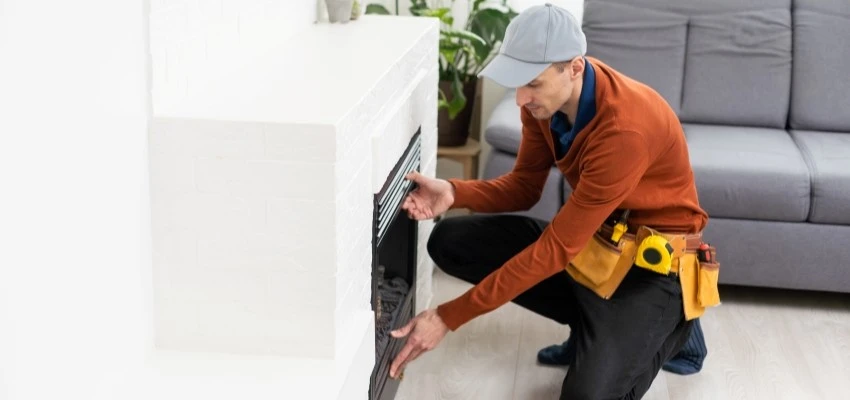
Wood units, stoves and inserts: Fireplace Experts serving New Westminster
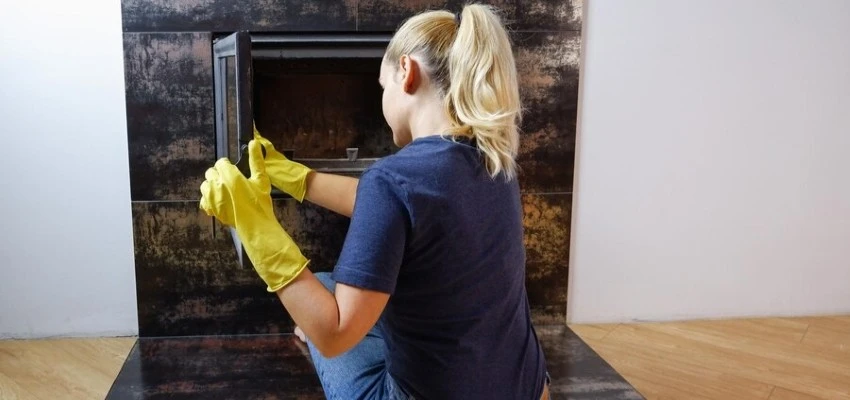
Fireplace smell at startup? Gas Fireplace Cleaning in New Westminster
Slow to light? Gas Fireplace Maintenance near New Westminster

