
Booking is simple. Send your name, number and a short message, and someone will get back to you about Chimney Repair New Westminster
A chimney stands out in the open all year, taking rain, wind, sun and, in many places, hard freezes with no shelter at all. Sooner or later something on it needs attention, whether that is a loose cap, a tired mortar joint or a part inside the flue. If you searched for “chimney repair”, this page gathers the questions homeowners in New Westminster ask most often about chimney and masonry repair, answered plainly so you can judge what your own chimney needs and what can wait.

Repairs matter because chimneys tend to fail slowly at first and then expensively. We regularly open up a chimney where a minor issue, such as a missing cap or one cracked mortar joint, was left alone for a few seasons. By then, water has soaked the bricks, rusted the damper or softened the wood framing beside the stack. Work at that stage takes longer and uses far more material. Catching the same fault early usually means a short visit and a modest bill. There is a safety side too, because a damaged flue or liner can let heat and smoke escape where nobody expects them.
It depends on how deep the damage goes, not on how bad the surface looks. Spalled faces and eroded joints on an otherwise solid chimney are a repair job: fresh mortar, a few replacement bricks and attention to wherever the water is getting in. When the top courses rock under light pressure, when cracks run through bricks rather than just mortar, or when the stack has started to lean, patching only delays the inevitable. In those cases we take the chimney down to a sound course and rebuild upward. You should always see the evidence, ideally in photos, before agreeing to a rebuild.
Most repairs fall into a handful of categories. Water-related jobs top the list: crown sealing or rebuilding, flashing repair, cap replacement and repointing worn mortar joints. Next come brick replacement where faces have spalled and repairs to the parts inside, such as a rusted damper, cracked flue tiles or a damaged firebox. Factory-built chimneys more often need chase cover replacement or fixes to framing and siding. Whatever the starting point, anyone researching “chimney repair” should expect the technician to look for the cause behind the symptom, since one missing cap can explain a rusty damper, a stained ceiling and spalled bricks all at once.
It depends on the part being repaired. Caps, crowns, flashing, upper masonry, chase covers, chimney fans and top-sealing dampers are reached from the roof or from ladders set against the chimney. Throat dampers, fireboxes, ash dumps, cleanout doors and many vent connections are handled from inside the house or at ground level. Roof work is planned around the weather, the pitch of the roof and safe ladder placement. Homeowners should not climb up to inspect or repair a chimney themselves; binoculars from the yard or the technician’s photos will tell you what you need to know.
A common guideline is to have a chimney inspected once a year, and many homeowners schedule it before the colder months when the fireplace sees more use. Yearly checks catch small problems such as a loosening cap, a new crack in the crown or a worn mortar joint before they let water in. It also makes sense to have the chimney looked at after a major storm, a chimney fire, a roof replacement or any change of insert, stove or appliance. Chimneys that are rarely used still need checking, because weather damages them whether or not you light fires.

It depends on the problems, your budget and the season. Anything letting water in or affecting safety, such as a missing cap, a cracked crown, bad flashing or a damaged liner, should come first, because those problems make everything else worse. Cosmetic work, like improving the look of weathered brick, can usually wait. Grouping roof-level jobs into one visit often saves on setup and access, so if several items are due soon, doing them together may make sense. Ask anyone quoting “chimney repair” work to rank each item by urgency so you can plan with confidence.
Mostly no: the useful homeowner jobs happen on the ground, not on the roof. Spotting problems early is genuinely valuable, whether that means snapping photos of the chimney top after storms, shining a flashlight at the damper or keeping an eye on the ceiling near the fireplace. Where DIY goes wrong is up top. We regularly undo store-bought sealants smeared over cracks, caps held on with a single screw and mortar patches that trap water. Liner work, flue repairs and gas appliance venting have safety consequences inside the home, so those belong with trained technicians from start to finish.
After a repair, the main job is to watch for changes and keep water and debris away from the chimney. Follow any instructions about when the fireplace can be used again, since new mortar or crown material may need time to cure. In the first few rains, check the ceiling and walls near the chimney for stains and look in the firebox for water or debris. Keep tree branches trimmed back from the chimney top and the gutters near it clear. Book a yearly inspection so small wear is caught early, and file the paperwork from the repair for future reference.
A local company is often the practical choice because it knows the housing styles, roof types and weather your chimney deals with. Builders in the same area often used similar chimney designs, so a nearby crew may already know where yours is likely to fail. Local service also makes it easier to schedule follow-up visits, check a repair after the first big storm or answer a question months later. Before booking, confirm the company works in your area with its own crew, and ask how it handles return visits if something needs adjusting.

We agree on the scope and the price before any work begins, and we check in with you if we find something that changes the plan. Request your quote for chimney and masonry repair and see exactly what is included for your home.
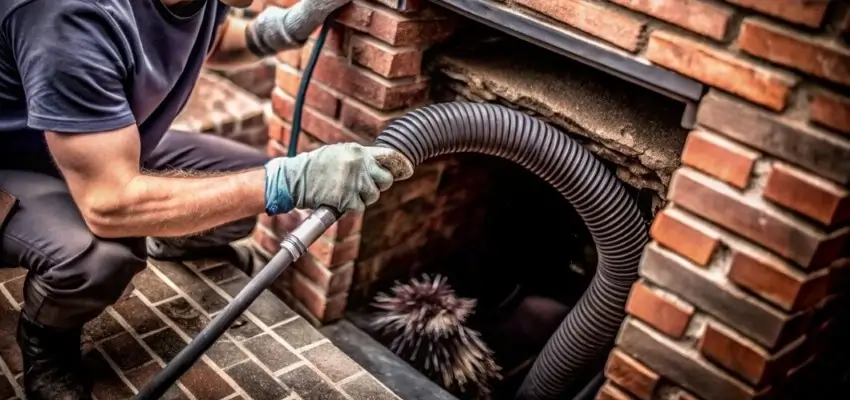
Less smoky smell, steadier flames: Chimney Cleaning around New Westminster
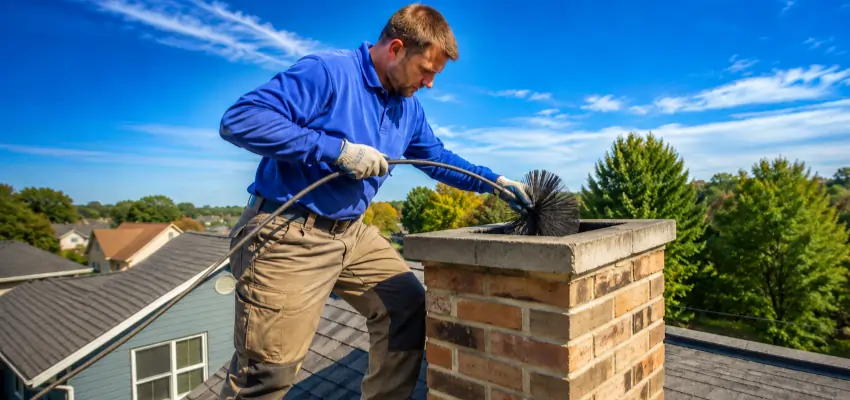
Your New Westminster fireplace, swept and checked: Chimney Sweep
Swept and checked: Chimney Sweep Services in New Westminster
Wood units, stoves and inserts: Fireplace Experts serving New Westminster
Fireplace smell at startup? Gas Fireplace Cleaning in New Westminster
Slow to light? Gas Fireplace Maintenance near New Westminster

