
Booking is simple. Send your name, number and a short message, and someone will get back to you about Chimney Remodel New Westminster
A chimney is part of how a house looks from the street and part of how its fireplace or stove works inside. Good chimney renovation respects both. For people in New Westminster who have been searching for “chimney remodel”, the answers below explain what the work involves, what affects the result and how to keep the chimney sound for years once the crew has packed up and gone.

Yes. A chimney that no longer serves any appliance can be taken down below the roofline, with the roof patched over, or capped at the top so rain and animals stay out while the structure remains. Full removal through the house is a bigger job because it affects floors, walls and sometimes structural support, so it needs careful planning. Partial removal is common when the top section is damaged. If you keep the chimney, a vented cover helps limit moisture buildup inside. Anyone considering a “chimney remodel” project like this should confirm that nothing, including a furnace or water heater, still uses that flue.
A chimney is an engine that runs on temperature difference, and most of the problems we fix come from something upsetting it. Hot exhaust in the flue is lighter than the outdoor air, so it rises and draws combustion air into the firebox. A cold, oversized or leaky flue weakens that pull; a cap clogged with soot, a nest or a top that sits below a nearby roof peak can block or even reverse it. That is why we care about the height of the stack, the size and condition of the flue and whatever is sitting on top. Get those right, and smoke goes where it should.
Our days follow a pattern: walk-through, setup, work, check, clean-up. The walk-through is a quick conversation to confirm what we are doing and flag anything new. Setup means floor protection, ladder placement and any roof anchors. The work itself varies with the job, from fitting a pot to lowering a liner or applying a repellent. The check is where we test what we built, whether by running a smoke test, watching water bead or confirming a part is secure. Clean-up leaves the hearth and yard the way we found them, and then we show you photos from the roof.
With heavy cloths, sealed openings and proper vacuums inside, and tarps and padding outside; mess control is part of the job, not an afterthought. Before we touch the chimney, we lay cloths in front of the fireplace and, when the work involves the flue, tape plastic across the opening so soot stays on our side. Our vacuums are built for fine dust, not household lint. On the roof, materials sit on tarps or boards so shingles are not scuffed. The messiest jobs break out old tiles or brick; for those, we warn you in advance and plan the clean-up accordingly.
Often, yes. Thin stone veneer, natural or manufactured, can be applied over sound brick or over a framed chase with the right backing, lath and drainage details. The existing surface must be solid and clean, and the veneer needs flashing and a way for moisture to escape at the base so water does not get trapped behind it. Weight is a consideration on older chimneys. If you are planning a “chimney remodel” with stone in mind, ask how the veneer will be attached, how the top will be finished and how the work will meet the roof.

Yes for some jobs and no for others, so we check the forecast before almost every one. Rain and frost are the big two: wet brick will not take a repellent, freezing nights spoil fresh mortar and icy shingles make roof work unsafe. Extreme heat can be a problem too, drying mortar too fast. That is why spring and fall are our busiest seasons for masonry and waterproofing. Liners and pots are more flexible and can often be fitted in cooler months on a dry day. If a weather window closes, we move the date, because a rushed job in poor conditions rarely holds up.
Tell the company what the chimney is made of, what it serves and what you want done or have noticed. Mention the type of fireplace or appliance, how many stories the house has, how steep the roof is and whether the chimney is brick, stone or a framed chase. Share any history: past repairs, a chimney fire, recent roof work or a new appliance. A few photos of the chimney from the yard and of the fireplace help a lot. These details let the company bring the right parts and give you a realistic estimate.
Homeowners can safely handle the watching and the basics, while anything on the roof or inside the flue belongs with a professional. Safe tasks include burning only dry, seasoned wood, keeping the hearth clear, opening and closing the damper to check it moves, looking at the chimney from the ground with binoculars and checking walls and ceilings near the chimney after storms. Do not climb onto the roof, apply sealers yourself, work on liners or touch gas appliance venting. A carbon monoxide alarm on each level of the home is a simple, important step.
A complete quote names the materials, sizes and steps, and when homeowners show us other offers, the gaps are usually in scope rather than price. One lists a stainless liner with insulation; another says just “liner.” One includes a new crown under the pot; another assumes the old one is fine. Check that each quote says who handles permits if any are needed and explains the plan for surprises. Then ask every company the same three questions: what is included, what is excluded and what could change the price. The answers reveal which offer really fits your chimney.

A recent look at the parts of a home buyers ask about can make a sale go more smoothly. We can fit chimney renovation around showings, inspections or move-in dates. Tell us your timeline and we will plan around it.
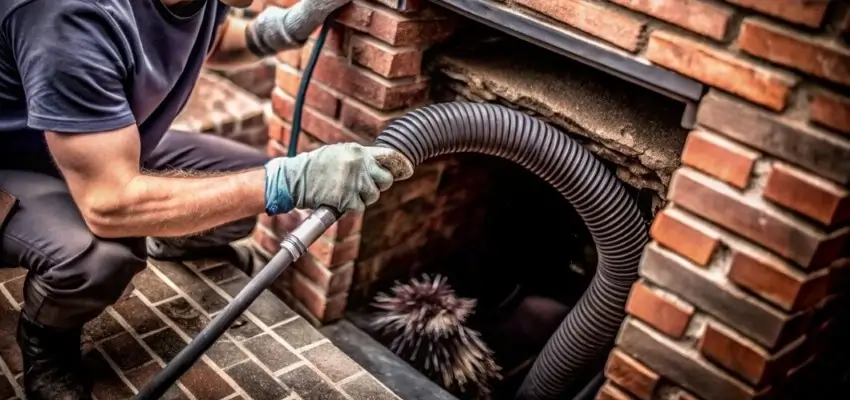
Less smoky smell, steadier flames: Chimney Cleaning around New Westminster
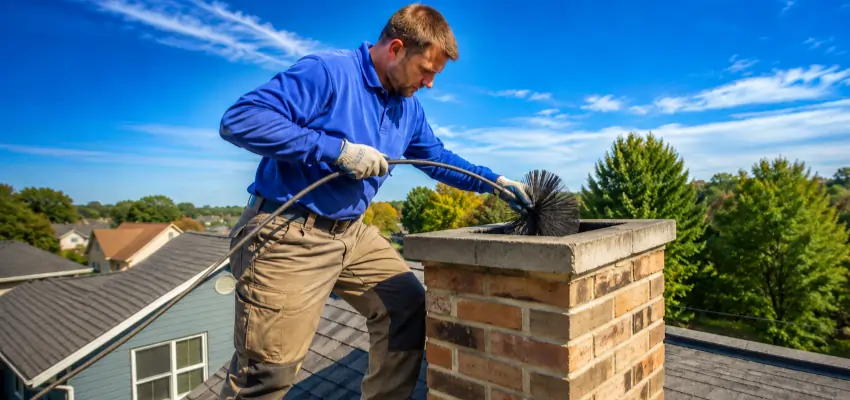
Your New Westminster fireplace, swept and checked: Chimney Sweep
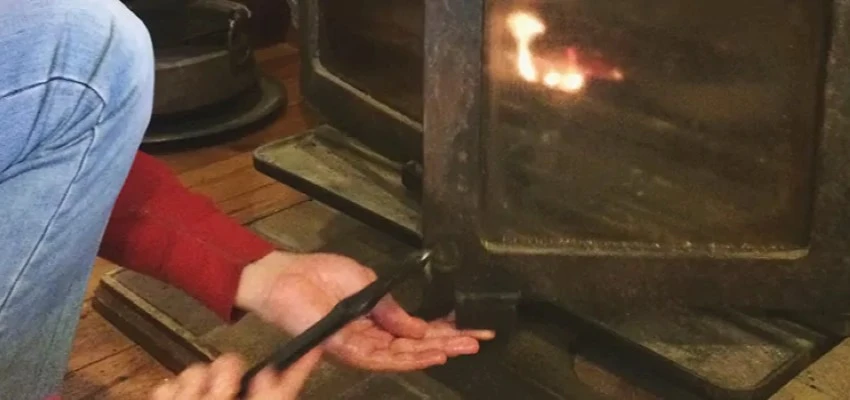
Swept and checked: Chimney Sweep Services in New Westminster
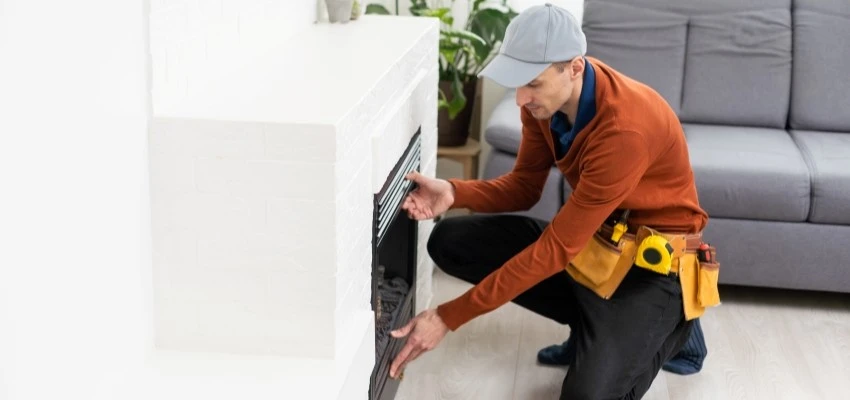
Wood units, stoves and inserts: Fireplace Experts serving New Westminster
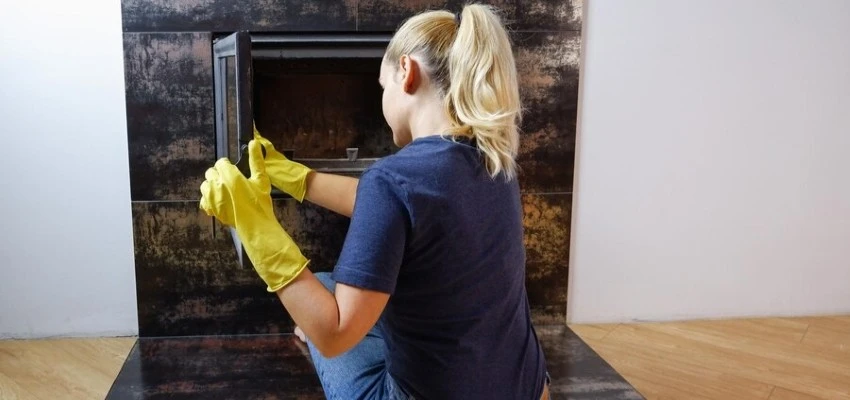
Fireplace smell at startup? Gas Fireplace Cleaning in New Westminster
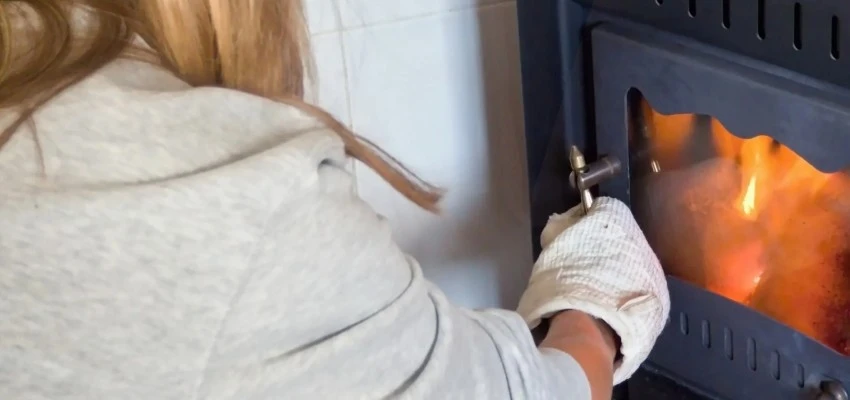
Slow to light? Gas Fireplace Maintenance near New Westminster

