
Booking is simple. Send your name, number and a short message, and someone will get back to you about Chimney Pot Services New Westminster
Most chimney visits are about sweeping, but some homes need something more specific: a flue that no longer suits the fireplace, a pot that has worked loose, a new factory-built chimney or brickwork that soaks up every storm. If you searched for “chimney pot services”, the answers below cover chimney pot service for homeowners in New Westminster in plain terms, including what the job involves, how long it takes and what to ask before anyone starts.

A chimney works by letting hot exhaust rise through a sealed channel, the flue, and leave the house above the roofline. Warm gases are lighter than the cooler air outside, so they rise, and that rising column pulls fresh air into the fire behind it. This pull is called draft. Height helps, because a taller flue creates a stronger pull and clears nearby roof surfaces. Size matters too: a flue that is too large for the appliance cools the gases and weakens draft, while one that is too small cannot carry all the exhaust. Anything that blocks or leaks along the path disrupts the balance.
We will not quote serious chimney work without looking first, and that is a fair test of any company. From the roof we check the top of the stack, the crown, pots and caps, the flashing and the brick or siding. Inside we run a camera up the flue to see tiles, joints and any liner. At the bottom we look at the damper, smoke chamber and firebox. That full picture keeps us from selling a cosmetic fix for a structural problem, or the reverse. You end up with a plan built on evidence, which is also the easiest kind to compare against another quote.
Signs fall into three groups, and the second one is the most urgent. Water clues: stains, a musty smell after rain, bricks that stay dark long after a storm. Heat and smoke clues: draft that has weakened, smoke in the room, an odor in the walls beside the flue, a chimney fire you heard roar. Structural clues: a loose pot, cracked tiles dropping into the firebox, a top that looks out of line. Any of these is reason enough for a closer look, and with heat and smoke clues the appliance should stay cold until the chimney has been checked.
From the ground, look for a pot that leans, sits crooked on the chimney or has visible cracks, chips or missing pieces. Mortar crumbling around its base, bits of terracotta in the gutter or on the roof and a rattling sound on windy days are other clues. Inside, rain or debris in the fireplace can mean the pot’s guard or the crown below it has failed. A loose pot is a falling hazard, so keep people away from the area beneath it. If you are looking into “chimney pot services” because of any of these signs, ask for the crown and flue tile to be checked as well.
Expect the crew to arrive, confirm the plan with you and protect the work area before anything else. Inside, that usually means drop cloths around the fireplace and sometimes plastic sheeting over the opening. Outside, ladders or roof equipment are set up and the area below the chimney is kept clear. The main work then follows the agreed scope, with pauses for materials to set if masonry or coatings are involved. At the end, the crew should clean up, show you the finished work or photos of it and explain any care instructions, including when the fireplace can be used again.

Many chimney jobs take a single day, while larger projects can run several days or more. Fitting a pot or cap, applying a water repellent or making a small flue repair is usually done in one visit. Relining a flue or installing a factory-built chimney often takes a full day, sometimes two. Remodeling, rebuilding or replacing large sections of masonry stretches longer, because mortar and concrete need curing time between steps. Weather can add days to any outdoor work. Ask for both the hours on site and the total span from start to finish.
Our estimates come down to labor, access and parts, with an allowance for what the chimney might be hiding. Labor depends on how many steps the job has and whether curing time stretches it over several days. Access depends on the roof and the yard: steep slopes, tall stacks and tight spaces add setup. Parts range from a repellent or a clay pot to a full liner or a factory-built system that has to match the fireplace. We would rather explain all of that before the job than surprise you halfway through, so we price each part separately.
Often they are, especially on older homes where the pots are part of the original look. A sound clay pot with minor chips can usually be cleaned, reset in fresh mortar and fitted with a proper guard. Pots with deep cracks, spalled surfaces or missing sections are harder to save and may be safer to replace with a matching reproduction. Salvaged pots are another option for a close match. People who search for “chimney pot services” for an older home should ask whether restoring, matching or replacing makes more sense for each pot, and why.
Some chimney work can be done in almost any weather, but masonry, crown work and water repellents need mild, dry conditions. Mortar and concrete should not freeze while they cure, and coatings need dry brick to soak in properly, so those jobs are usually planned for spring through fall. Liner installation, pot fitting and some interior work are less sensitive, though roof access still depends on ice, wind and rain. Booking ahead of the cooler months gives the widest choice of dates. If the forecast turns, a careful company will reschedule rather than rush.

Sometimes the most useful thing is simply knowing whether there is a problem at all. A visit from Chimney Sweep New Westminster gives you that answer, along with practical advice for keeping things in order. Call (778) 488-0837 to set one up.
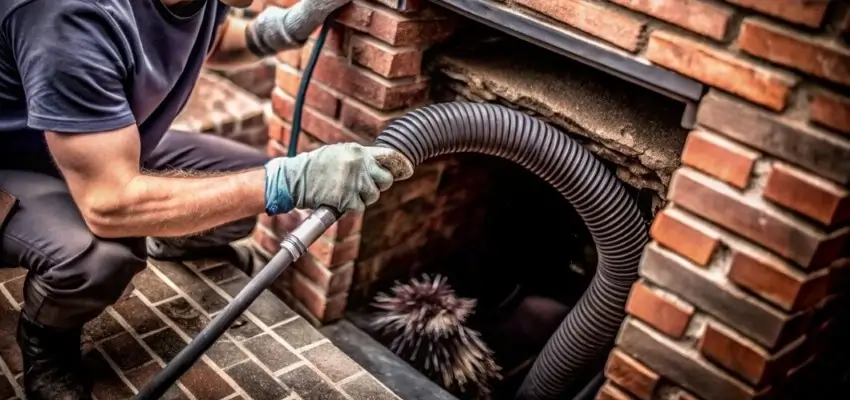
Less smoky smell, steadier flames: Chimney Cleaning around New Westminster
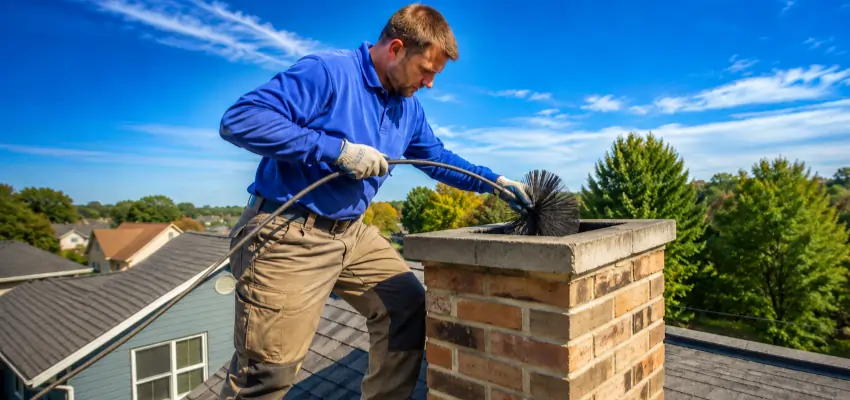
Your New Westminster fireplace, swept and checked: Chimney Sweep
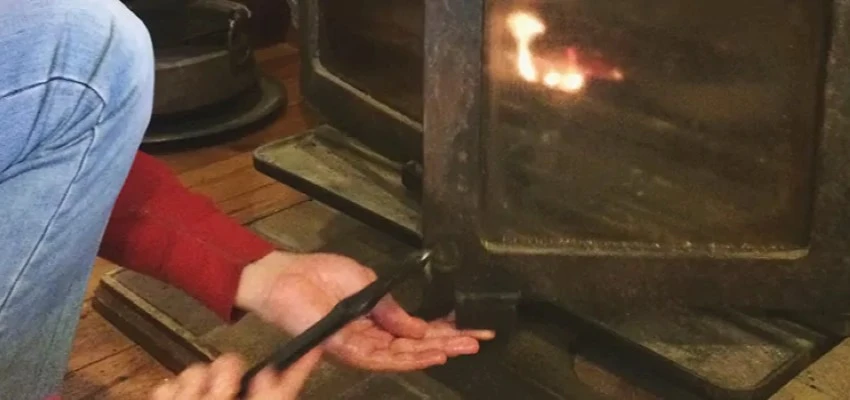
Swept and checked: Chimney Sweep Services in New Westminster
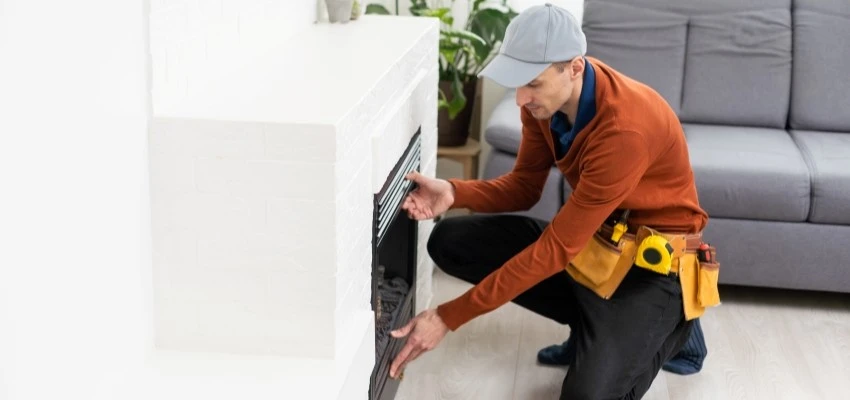
Wood units, stoves and inserts: Fireplace Experts serving New Westminster
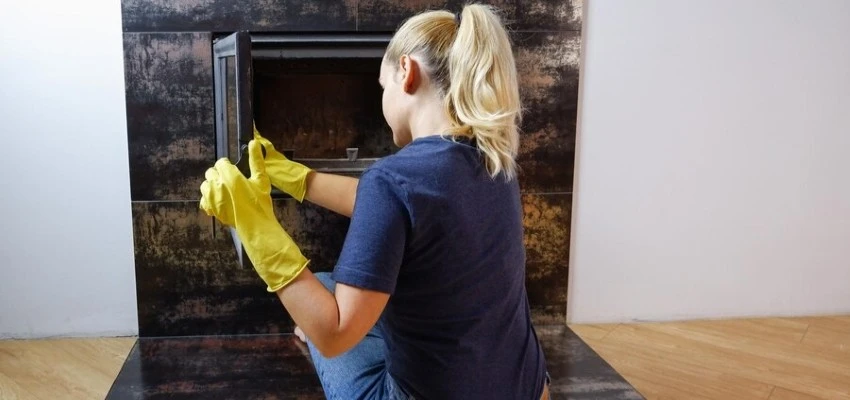
Fireplace smell at startup? Gas Fireplace Cleaning in New Westminster
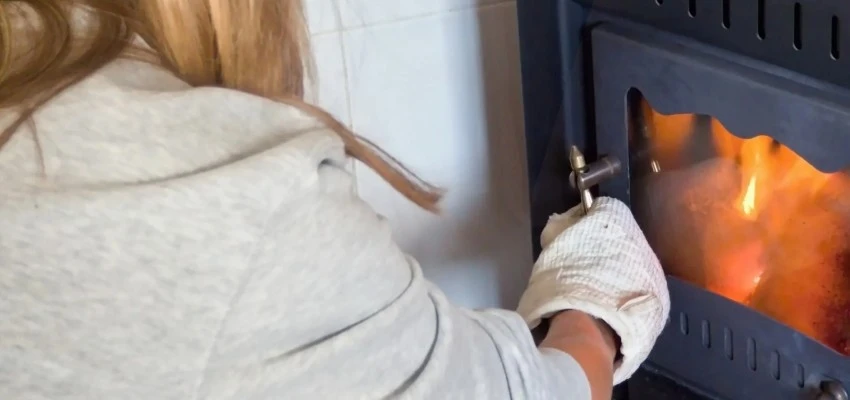
Slow to light? Gas Fireplace Maintenance near New Westminster

