
Booking is simple. Send your name, number and a short message, and someone will get back to you about Chimney Odor Removal New Westminster
Some of the most useful chimney conversations happen after the tools are packed, when the owner finally asks what they have always wondered. This page puts those questions up front. If you searched for “chimney odor removal” in New Westminster, you will find how chimney odor control is usually approached, what differs from one flue to the next and where your own observations can help the technician do a more thorough job.

Soot is dry carbon and creosote is a tar-based wood smoke residue, and telling them apart helps us work out what is going on with the appliance. Soot wipes off on a fingertip and falls easily under a brush. When we find heavy soot in a flue serving a gas furnace, boiler or fireplace, we take it as a sign the burner may need attention from a qualified gas technician. Creosote, by contrast, tells us how the wood fires have been run: flaky deposits suggest reasonably hot burning, while sticky or glassy layers point to cool, smoky fires or firewood that was not dry enough.
The clearest sign a chimney needs sweeping is black, flaky buildup you can see on the damper or falling into the firebox. Other clues often show up alongside it:
Any one of these is worth a check. Two or three together usually mean the flue is overdue.
Smoke comes back into the room when the chimney cannot pull it upward fast enough, and the usual causes are a cold flue, a partly closed damper or a house that is short of air. Make sure the damper is fully open and start with a small, hot kindling fire so the flue warms gradually. Kitchen and bathroom fans can draw air down the chimney, so switch them off and open a nearby window slightly. Wet wood produces heavy smoke too. If smoke still spills in after those changes, a blockage or a problem with the chimney itself needs a professional look.
The type of smell is a useful clue to its source. A sharp, smoky or asphalt-like odor usually comes from creosote, especially in humid weather. A damp, musty smell points to water getting into the chimney through the cap, crown or flashing. A rotten smell often means an animal or nest is in the flue. A smell of rotten eggs is different: it may be gas, so leave the building at once and call the gas utility from outside. Describing the smell when you ask about “chimney odor removal” helps the technician know where to start looking.
Most of the smell fades soon after the deposits are removed, often within a few days of normal ventilation. A faint odor can linger longer in old, porous brick or mortar that has absorbed creosote over many years, and it tends to show up again on very humid days. Closing the damper and running fewer exhaust fans speeds things up. If a strong smell is still there a couple of weeks after “chimney odor removal”, ask for a follow-up look, because a second source, such as water entry or debris on the smoke shelf, may still be present.

A standard chimney sweep usually takes about an hour to an hour and a half for a single flue. Expect more time if there are several flues, if a stove or insert has to be disconnected, if the roof is steep or high, or if the buildup is heavy or glazed. A camera inspection or a written report adds a little more. Plan to be available for the whole visit and for a short conversation at the end, when the technician explains what was found. If your day is tight, describe your setup when booking so the company can give you a realistic window.
Someone usually needs to be home during a chimney visit, because most of the work starts at the fireplace or stove inside. An adult who can let the technician in, show where the appliances are and answer a few questions is enough. Try to be around at the end too, when the findings are explained and you can ask about anything that was noted. Roof-only tasks, such as checking a cap, can sometimes be done while you are out, but agree on that in advance. Landlords can arrange for a tenant or property manager to be present instead.
A chimney often smells after an animal leaves because droppings, urine and old nesting material soak into brick and mortar, and humid weather keeps releasing that odor. If an animal died in the flue or on the smoke shelf, the smell is stronger still until the remains are removed. Clearing every bit of debris, sweeping the flue and applying a deodorizing product made for chimneys usually brings it under control within days. Keep the damper and any glass doors closed meanwhile. If a strong smell persists after cleanup, ask for a camera check, since material can stay hidden on ledges higher up.
Getting rid of a chimney smell starts with removing its source, which usually means sweeping out creosote, soot and any nesting material, and then stopping the moisture and downdraft that carry the odor indoors. A cap keeps rain out, and a damper that seals tightly, or glass doors on the fireplace, blocks most of the air movement. Running exhaust fans less, or opening a window slightly when they run, reduces the pull down the flue. A tray of baking soda or activated charcoal in the firebox can absorb lingering smells. If water is getting into the masonry, the leak needs repairing for the fix to last.

A good visit looks at the whole system around your chimney, not just the part you asked about. That is how Chimney Sweep New Westminster approaches every home in New Westminster. Book chimney odor control and get a complete, honest overview of where things stand.
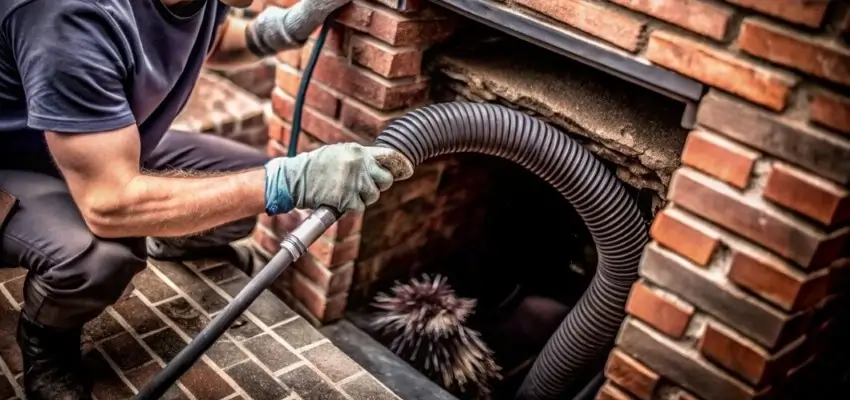
Less smoky smell, steadier flames: Chimney Cleaning around New Westminster
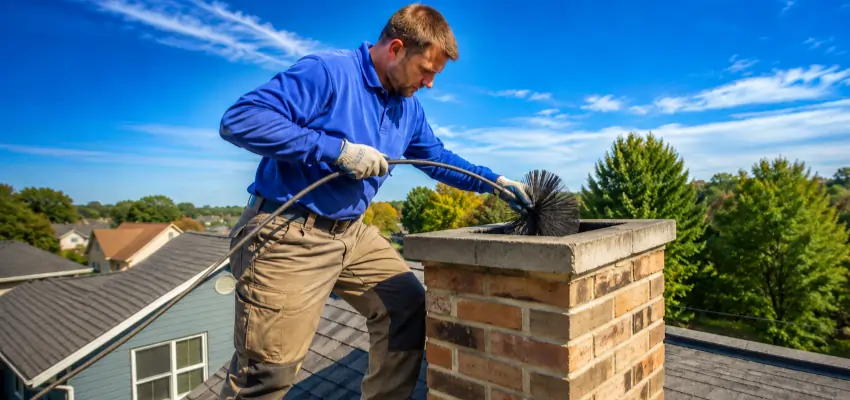
Your New Westminster fireplace, swept and checked: Chimney Sweep
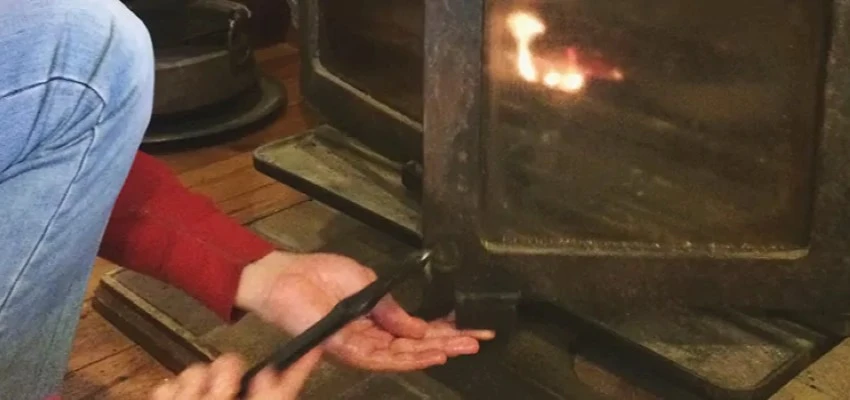
Swept and checked: Chimney Sweep Services in New Westminster
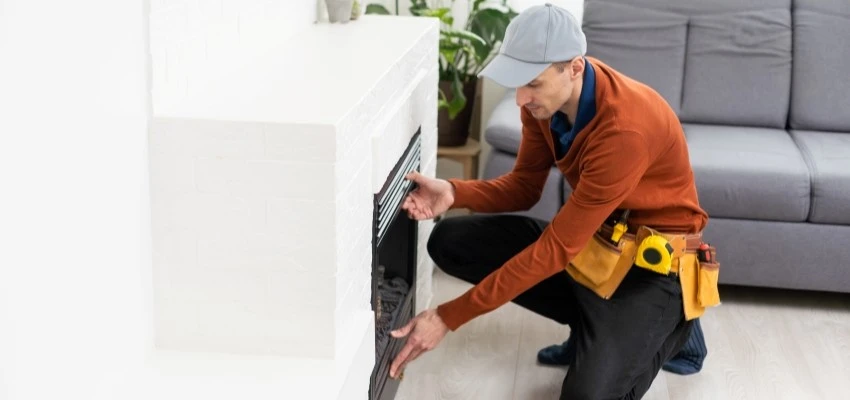
Wood units, stoves and inserts: Fireplace Experts serving New Westminster
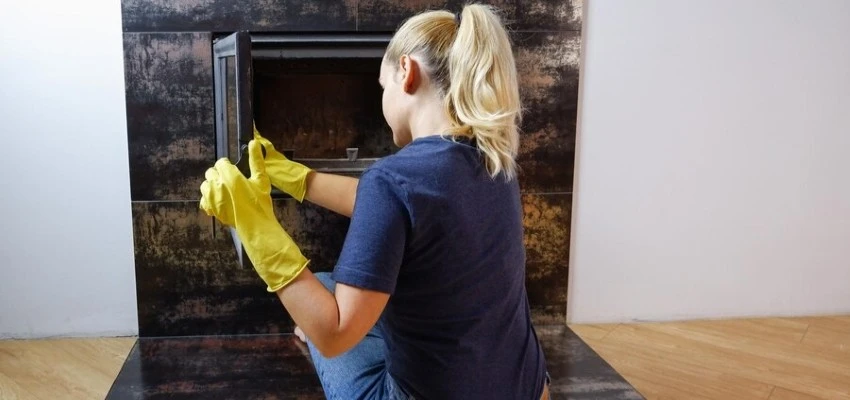
Fireplace smell at startup? Gas Fireplace Cleaning in New Westminster
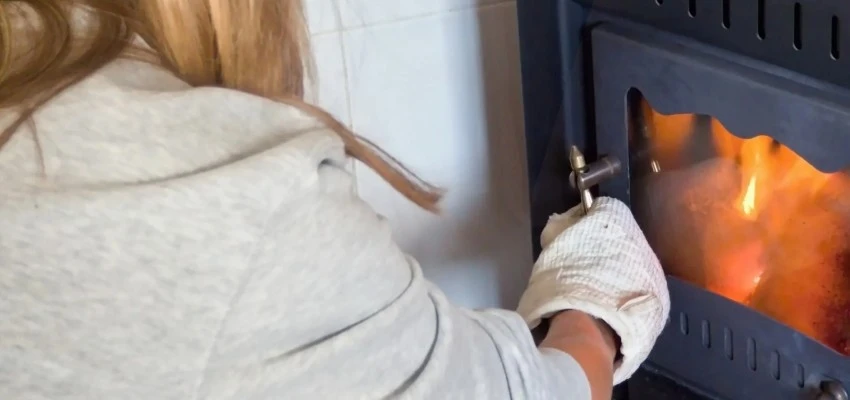
Slow to light? Gas Fireplace Maintenance near New Westminster

