
Booking is simple. Send your name, number and a short message, and someone will get back to you about Chimney Nest Removal New Westminster
Maybe you just took over a property with a fireplace nobody explained to you. Maybe you have run the same stove for many winters and never thought much about the flue above it. Either way, looking up “chimney nest removal” means you are already asking the right questions. This page gathers what people in New Westminster usually want to know about chimney nest clearing, explained the way a technician would at your hearth.

Creosote is condensed wood smoke, and its flammability is the main reason chimney sweeping exists. Smoke carries unburned particles and vapor, and when it meets a cooler surface those compounds stick. We find the heaviest deposits where gases slow down or lose heat quickly: the smoke chamber just above the damper, the bends in a stovepipe and the upper section of chimneys built on an exterior wall. That residue is fuel sitting inside a passage built to carry fire, so a spark or an overloaded firebox can ignite it. That is why we gauge its thickness on every visit and explain what it means for you.
Wildlife can wreck dampers, caps and liners as well as block the flue, and the damage we find after a long-term visitor is often worse than owners expect. Raccoons are strong enough to bend damper blades, rip out the insulation around a factory-built flue and pull mortar from a deteriorating smoke chamber while building a den. Birds pack sticks so tightly that a flue closes almost completely. Squirrels chew at whatever they can reach while trying to escape. Then there is what animals leave behind: droppings, wet nesting material and sometimes the animal itself, all of which soak into porous masonry. A camera check after removal shows us whether any of that needs repair.
To a bird, an uncapped chimney looks a lot like a hollow tree: tall, sheltered from wind and rain and hard for predators to reach. Some species naturally nest on vertical surfaces and have adapted to chimneys as old trees have become scarce, and some of them are protected, so active nests are left until the young have flown. The smoke shelf and the ledges where flue tiles meet give them places to build. Warmth rising from a furnace flue can make a chimney more attractive in cooler weather. A properly fitted cap removes the opening, which is why most chimney nest clearing visits finish with a cap check or installation.
Yes, a nest made of dry twigs, grass and feathers can ignite from heat or sparks, and it can also block the flue enough to send smoke back into the room. That is why a fire should never be lit when you suspect a nest above the damper. Signs include twigs falling onto the grate, chirping or fluttering sounds and a smell of droppings. If you notice any of these, keep the damper closed. Some birds that nest in chimneys are protected, so an active nest stays in place until the young have flown; after that, arrange “chimney nest removal” before the next fire, along with a sweep and a check that the cap is in place.
Black flakes dropping from the damper, a sluggish fire and a campfire smell that hangs around are the signs we see most, and any owner can spot them. When we open a damper and a shower of debris comes down, the flue is overdue. A fire that sulks, needs constant coaxing or leaves a haze in the room tells us the draft is restricted somewhere. A sharp odor long after the last fire usually comes from deposits in the flue. We also ask about the calendar: if nobody remembers when the chimney was last swept, that alone is reason enough to book a look before the next fire.

The most common sign is sound from the chimney: scratching, scurrying, chirping or a soft fluttering, often at the same times each day. Birds tend to be loudest when their young are hungry, raccoons move around mostly at night and squirrels are busiest during daylight. You may also find twigs, leaves or droppings in the firebox, notice an unpleasant smell or spot an animal on the roof near the opening. Keep the damper and any fireplace doors closed so nothing can get into the room, avoid lighting a fire and call a company that handles chimney animal problems humanely.
On our visits the flue, smoke chamber, damper and firebox all get cleaned, working along the path of the smoke from the hearth up to the cap. We protect the floor and nearby furniture, seal the opening around our vacuum hose so dust stays contained, then work the flue with rods and a brush matched to the liner: stiff wire for clay tile, softer poly for stainless steel. The smoke chamber above the damper gets hand tools, because creosote clings to its sloped walls. Before and after, we look at the flue condition, often with a camera. At Chimney Sweep New Westminster, the visit ends with a short walkthrough of what came out, how heavy it was and anything we would keep an eye on.
A cold firebox and a bare hearth help us more than anything else. Clear a few feet of floor for the vacuum and drop cloths, and lift screens and ornaments off the hearth itself. Warm ash is the most common reason a job starts late, since we cannot clean safely until it has cooled. Outside, we need a stable spot near the chimney for the ladder, so mention soft ground, flower beds or a deck that might be in the way. Tell us about alarm systems, a dog that dislikes visitors or a roof that is easier to reach from the back. Those small details save time on the day.
A sturdy chimney cap with mesh sides is the surest way to keep animals out, combined with a damper that stays closed whenever the fireplace or stove is not in use. The cap should fit the flue snugly and be firmly fastened, because raccoons can pry off loose covers. Have branches that overhang the roof trimmed back, since they give squirrels and raccoons an easy route to the chimney. Look at the cap from the ground after strong winds. If an animal has already been inside, have the nesting material and droppings cleaned out before the next fire, and ask whether any gaps around the crown need sealing.

Start with whatever you noticed, even if it seems minor. A short description is enough for us to suggest the right kind of visit for your chimney. Call (778) 488-0837 and the Chimney Sweep New Westminster team will guide you from there.
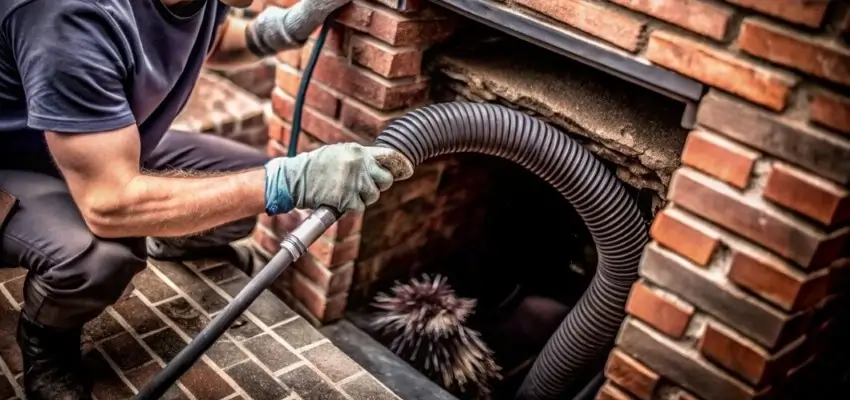
Less smoky smell, steadier flames: Chimney Cleaning around New Westminster
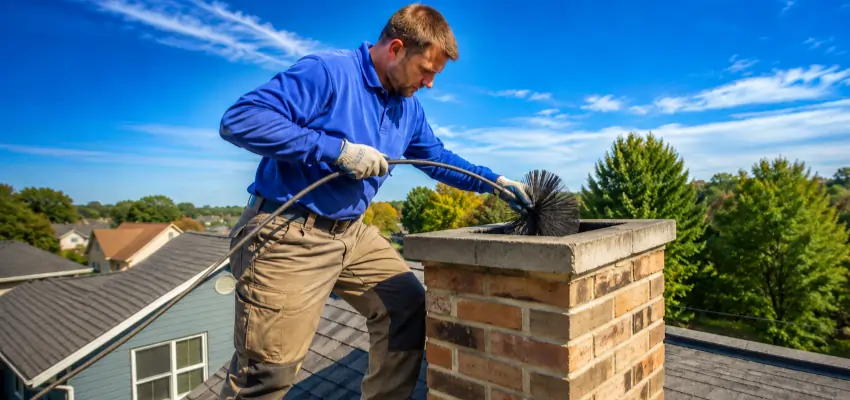
Your New Westminster fireplace, swept and checked: Chimney Sweep
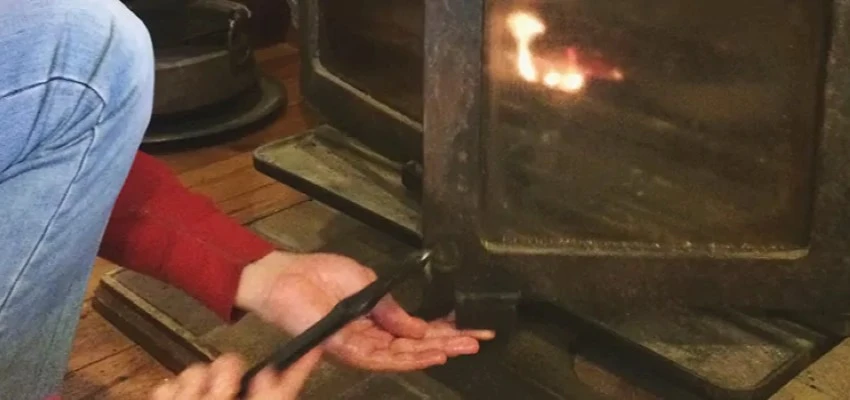
Swept and checked: Chimney Sweep Services in New Westminster
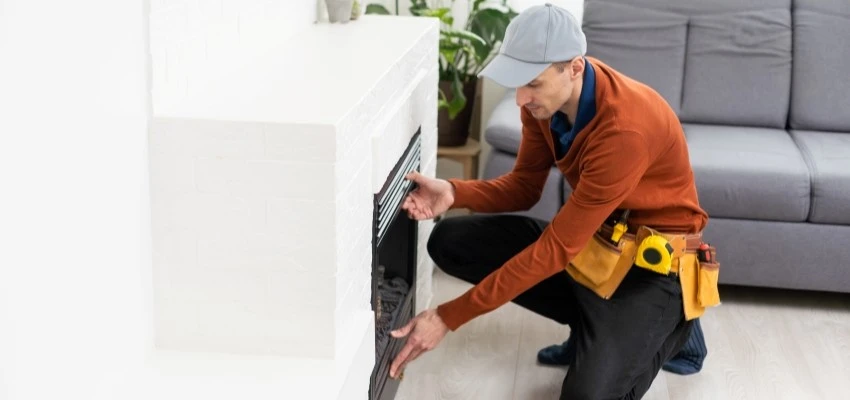
Wood units, stoves and inserts: Fireplace Experts serving New Westminster
Fireplace smell at startup? Gas Fireplace Cleaning in New Westminster
Slow to light? Gas Fireplace Maintenance near New Westminster

