
Booking is simple. Send your name, number and a short message, and someone will get back to you about Chimney Masonry Services New Westminster
Think of this page as a reference you can come back to. It collects common questions about chimney masonry repair from homeowners around New Westminster and answers each one directly, with the reasoning behind it. Whether you landed here after typing “chimney masonry services” or someone who recently had their chimney fixed sent you the link, you should leave with a clearer idea of what needs doing, what can wait and what to ask before any work begins.

Chimney masonry work covers the brick or stone structure and everything built into it. Typical jobs include replacing damaged bricks, repointing worn mortar joints, rebuilding or sealing the crown, rebuilding the top of the chimney above the roof, repairing the firebox walls and resetting loose stone. It often includes small related tasks too, such as resetting counter flashing into fresh joints. Liners, caps and dampers are usually separate items, though many companies handle all of them. When you request quotes for “chimney masonry services”, ask each company to list which of these tasks it is pricing, so you can compare like with like.
In everyday use, tuckpointing means the same as repointing: replacing failing mortar joints, one of the most common chimney jobs we do. Mortar is meant to be the sacrificial part of a brick wall: it is softer than the brick and wears first, which is exactly what you want. After enough seasons of rain, sun and temperature swings, joints shrink, crack and wash out. Tuckpointing removes that worn material and replaces it with mortar matched to the original in strength and color. Done properly, it restores a weathertight surface without disturbing sound bricks, so the chimney keeps its original look.
It depends on the damage, so the safe default is to hold off until someone has looked at it. Cosmetic problems on the outside, such as a stained brick face, rarely affect how a fireplace works. Damage inside the flue, a cracked liner, a damper stuck shut or a blocked vent is different, because smoke and hot gases may not leave the house the way they should. If you notice smoke spilling into the room, a strong smell or soot where there was none before, stop using the fireplace. Keep working carbon monoxide alarms on every level of the home either way.
Joints that have shrunk back from the brick face, cracked along the edges or turned soft and powdery are the signs we look for, and they are usually visible from a short distance. Healthy mortar, by contrast, fills the joint, sits tight to the brick on both sides and is shaped to shed water. On the roof, a light scrape with a tool tells us whether it still holds together. We also note where the damage sits: the top few courses and the weather-facing side usually go first. Repointing those areas promptly keeps water from reaching the core of the chimney.
Spalling is almost always a water story, and the pattern of the damage tells us where the water comes from. Flaking concentrated near the top of the stack points to a cracked crown or a missing cap. Damage along one side often matches the direction of driving rain. Bricks that crumble right next to newer, gray, very hard mortar suggest a past repair used the wrong mix. A non-breathable sealer painted on years ago can also trap moisture behind the face. Replacing bricks without fixing the cause just starts the clock again, so we deal with both at once.

Yes, in a few important ways. Stone chimneys have irregular joints of varying width, so repointing takes more hand work, and the mortar must suit the stone, which may be much harder or softer than brick. Matching the look is also trickier: replacement stones may need to come from a similar quarry or from salvage, and the joint style has to match the original. Stone veneer on a framed chase is a different system again, attached to a wall rather than built as solid masonry. Mention the stone type and whether it is veneer when you ask about chimney masonry repair.
Not every repair needs the roof, and when one does, we plan safe access before we arrive. Work at the top of the stack means ladders, roof brackets or harnesses tied to a secure anchor, plus soft-soled footwear and pads to protect shingles. Steep or high roofs may call for extra equipment or a second technician. Wet, icy or very windy weather puts roof work on hold, because no repair is worth a fall. Jobs at the bottom of the chimney, such as an ash dump, a throat damper or a stove connection, keep us indoors, where the main concern is protecting floors and furniture from soot and dust.
A clear hearth, a cold fireplace and room for a ladder cover most of what we need. We lay drop cloths in front of the fireplace, so a few feet of open floor helps, and glass doors or screens may need to come off. Outside, our ladders go on firm, level ground near the chimney; parked cars, garden beds and stored items in that spot slow the setup. We also like to know where the attic hatch or basement access is if the repair could involve them. Pets are happier in a closed room, since we will be going in and out of doors often.
A few direct questions reveal a lot about a chimney repair contractor:
Clear, specific answers are a good sign. If the replies stay vague or the price changes without explanation, it is reasonable to get another opinion before agreeing to the work.

A proper look at your chimney means one less worry for everyone under your roof. We explain what we checked and what we recommend, step by step, in plain words. Call (778) 488-0837 to book chimney masonry repair in New Westminster.
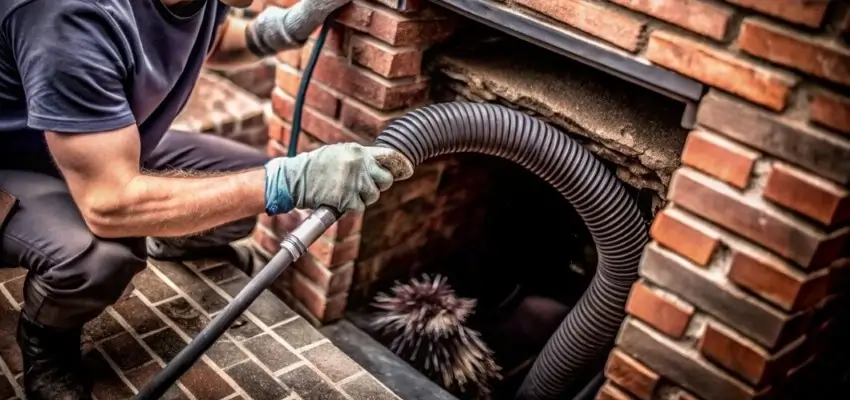
Less smoky smell, steadier flames: Chimney Cleaning around New Westminster
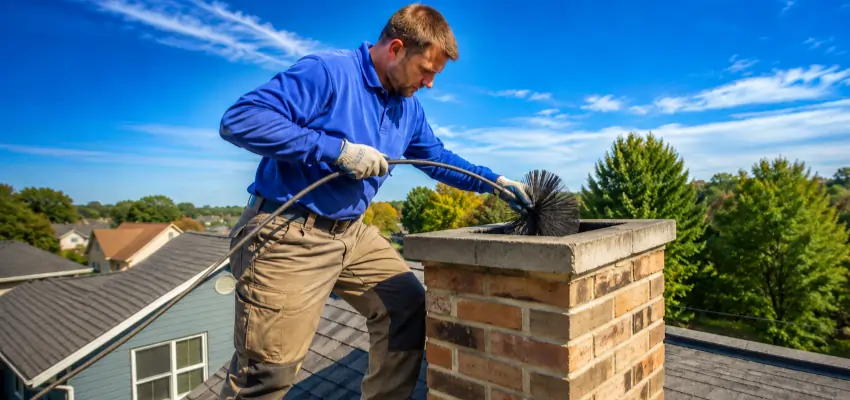
Your New Westminster fireplace, swept and checked: Chimney Sweep
Swept and checked: Chimney Sweep Services in New Westminster
Wood units, stoves and inserts: Fireplace Experts serving New Westminster
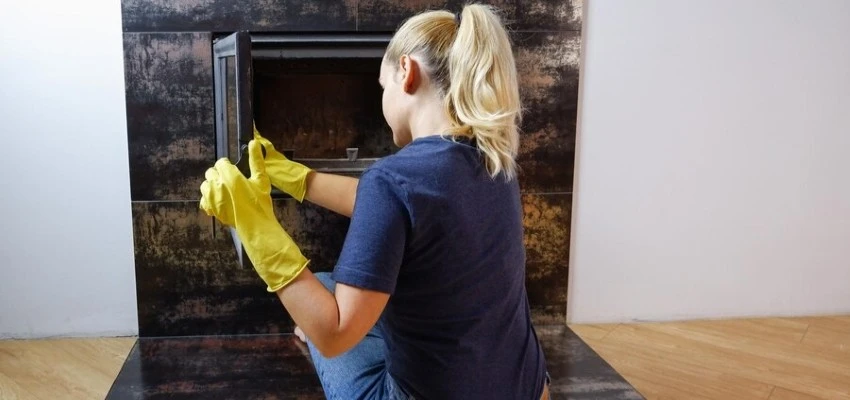
Fireplace smell at startup? Gas Fireplace Cleaning in New Westminster
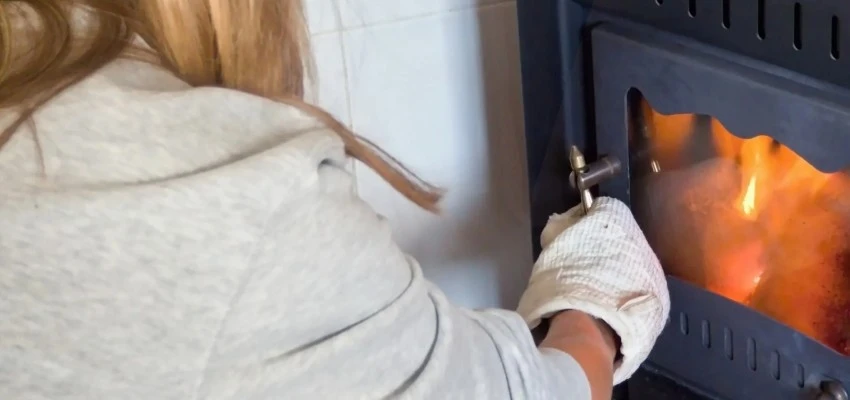
Slow to light? Gas Fireplace Maintenance near New Westminster

