
Booking is simple. Send your name, number and a short message, and someone will get back to you about Chimney Masonry Near Me New Westminster
Maybe you spotted a stain on the ceiling beside the fireplace, a few brick chips on the roof or a damper that will not budge. Small discoveries like these send many homeowners in New Westminster looking up “chimney masonry near me” to find out how serious the problem really is. The answers below explain how chimney masonry repair works, what tends to cause the damage in the first place and which details matter when you talk to a company about fixing it.

Most chimneys can be repaired, and a rebuild only makes sense when the structure itself is no longer sound. Repairs cover jobs like replacing damaged bricks, repointing worn mortar, building a new crown or resealing flashing. A partial or full rebuild comes into play when the chimney leans, when many bricks are crumbling at once, when mortar has failed deep inside the stack or when the top courses move by hand. The usual approach is to save whatever is solid and rebuild only the section that cannot be saved, which is often the part above the roofline.
A chimney needs tuckpointing when its mortar joints are cracked, recessed or crumbling. Look for joints that sit noticeably deeper than the brick face, sandy mortar that could be scratched out with a key, hairline cracks running along the joints and dark voids where mortar has fallen out. Grit collecting on the roof or in the gutter below the chimney is another clue. Binoculars from the ground or a photo taken from a safe window give you a good view without climbing. If more than a few scattered joints look this way, repointing is usually due.
Chimney bricks usually crumble because water gets into them and then freezes, evaporates or carries salts to the surface. In cold weather, trapped moisture expands as it freezes and pops off the face of the brick, which is called spalling. In milder climates, repeated wetting and drying and salt deposits slowly break down the surface instead. Mortar that is harder than the brick, often from an earlier repair, makes things worse because it forces the brick to take the stress. Crumbling bricks are a signal to find and stop the water source, not just to swap out the damaged units.
Anything from a morning to several days, depending on the part, the access and the material. A damper repair or cap swap rarely keeps us past lunch. Flashing and chase covers depend on the roof, so a steep pitch or fragile shingles add hours. Masonry is the slow one, not because the work itself drags but because mortar and crown concrete need dry, mild weather and time to firm up between steps. A full rebuild above the roofline can stretch over several visits. When we quote, we give you a working estimate and tell you plainly what could push it longer, such as hidden damage.
Mention what the chimney is made of, what it serves and what you have noticed, because a few details on the phone save a lot of time on the roof. We ask which appliances use the flue, how many stories the house has and how steep the roof is. We ask what you have seen: a stain, debris in the firebox, a stuck handle, a rattling cap, smoke in the room. We ask when it started and whether a roofer or another contractor worked nearby recently. Two quick phone snapshots, one of the chimney top from the yard and one of the problem area inside, often tell us which parts and ladders to bring on the first trip.

For routine repairs, booking a few weeks ahead is usually enough, though spring and early fall can fill up quickly because the weather suits masonry. Local masons often schedule around the forecast, so a dry week can move your job forward and a rainy one can push it back. If you have an active leak or loose bricks over a walkway, say so when you call; most companies can at least make the area safe sooner while the full repair waits for good weather. Booking an inspection early gives you time to compare quotes for chimney masonry repair before the busy season.
Local crews know the chimneys in the area, and that knowledge saves time and guesswork. Working the same streets season after season, we learn which subdivisions have tall chimneys on steep roofs, which builders used flat chase covers that rust and which older districts still have original clay liners. That history makes the first diagnosis faster and quotes more accurate. Being close by also means we can come back to check a repair after heavy rain without it becoming a major trip. When you call Chimney Sweep New Westminster, you reach people who work on chimneys around New Westminster every week.
Start with companies that mention chimney work specifically, not just general brick or concrete jobs, and that name your area on their website. A search for “chimney masonry near me” will mix both kinds, so read how each describes its chimney projects. Call two or three and notice who asks about the age of the house, the brick type and where the damage is before discussing price. Ask to see photos of similar chimneys they have repaired and how they match mortar color. A mason who suggests looking at the crown and flashing along with the bricks is thinking about the whole chimney.
The questions that matter most are about cause, scope and surprises, and any capable chimney company can answer them in plain words. Cause: why is this happening, and how do you know? Scope: which parts are included, which materials, and is the chimney top part of the job? Surprises: what happens if rotten framing or a cracked flue tile turns up halfway through? It is also fair to ask who will be on your roof, how long new mortar needs before a fire and how the site will be left. We welcome these questions, because they lead to fewer misunderstandings later.

We know most people are juggling work, family and errands. Let us know which days and times are easiest and we will try to match them. Choose a time for chimney masonry repair and the Chimney Sweep New Westminster team will confirm it with you.
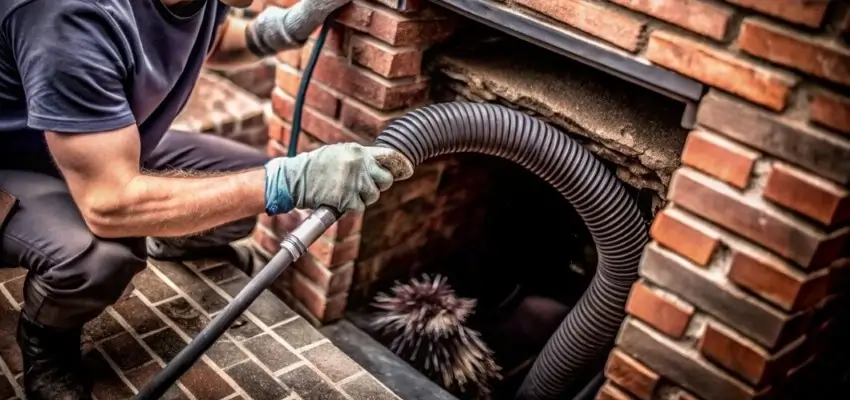
Less smoky smell, steadier flames: Chimney Cleaning around New Westminster
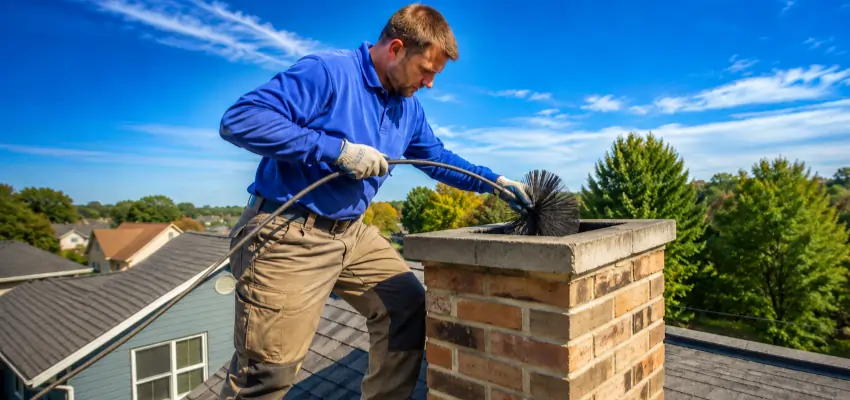
Your New Westminster fireplace, swept and checked: Chimney Sweep
Swept and checked: Chimney Sweep Services in New Westminster
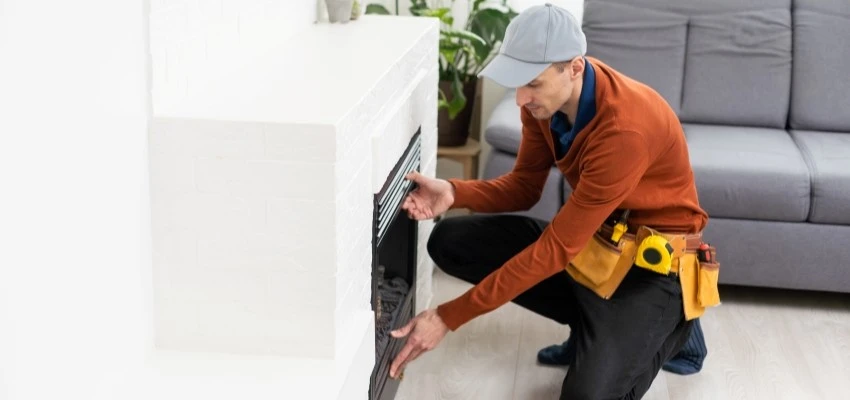
Wood units, stoves and inserts: Fireplace Experts serving New Westminster
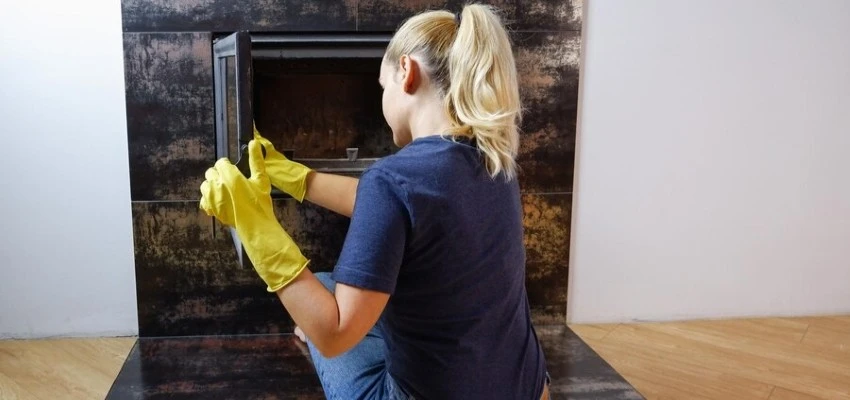
Fireplace smell at startup? Gas Fireplace Cleaning in New Westminster
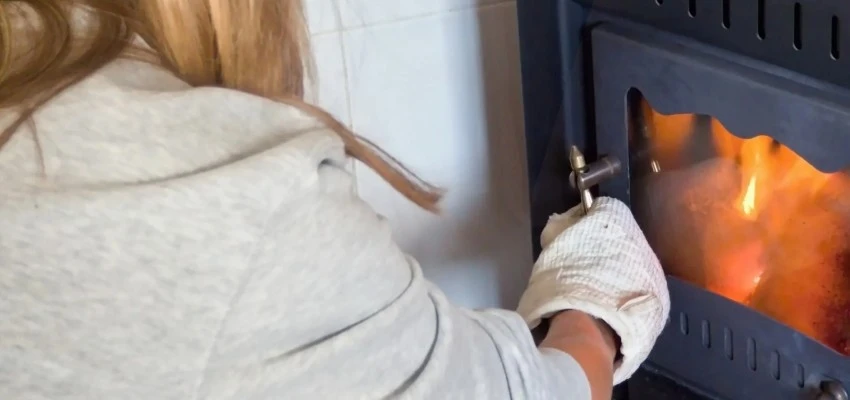
Slow to light? Gas Fireplace Maintenance near New Westminster

