
Booking is simple. Send your name, number and a short message, and someone will get back to you about Chimney Flue Services New Westminster
You do not need a long lecture to make a good decision about your chimney, just clear answers to the right questions. That is what this page aims to give anyone in New Westminster who looked up “chimney flue services”. Each answer covers one part of chimney flue service, from basics and warning signs to preparation, aftercare and choosing who should do the work. Start wherever your own question begins.

A flue should be sized to the appliance it serves, not to the chimney around it. Fireplaces need a flue large enough for their opening, while stoves, inserts and gas appliances usually specify a flue size in their installation instructions. A flue that is too large lets exhaust cool and slow down, which weakens draft and encourages creosote or condensation. One that is too small cannot carry all the exhaust and may let smoke spill into the room. People searching for “chimney flue services” after an appliance change should have the flue size checked against the new unit before it is used.
As a rule, no. A fireplace or wood stove should have a flue of its own, because connecting a second appliance can upset the draft of both and let exhaust spill into the house. Some homes have a furnace and water heater joined into one flue through a purpose-designed connector, which is a separate case that a qualified technician should confirm. If you are unsure what is connected to each flue in your chimney, a chimney flue service visit can map it from the roof and the basement. Never add a new appliance to an existing flue without having it checked first.
It depends on which side of the chimney the problem lives. Shingles, underlayment and roof decking are roofing work, and a good roofer does them well. Anything that carries smoke or heat, from the flue tiles to a prefab chimney pipe, is where chimney training matters, because mistakes there affect safety inside the house rather than just weatherproofing. We often work alongside roofers, especially during a reroof, so flashing and chimney repairs are coordinated. A company that knows its limits and says so plainly is usually the one to trust with the rest.
Flue tiles usually crack from sudden heat, such as a chimney fire, or from years of uneven heating and cooling. Water is another cause: rain entering an uncapped flue soaks the tiles and mortar, and freezing or acidic condensation weakens them over time. Settling of the chimney can shift tiles out of line and crack their joints. Signs include shards of tile in the firebox, a smoky smell in nearby rooms or weaker draft, but many cracks are only visible with a camera. If you suspect damage, stop using the fireplace or appliance until the flue has been inspected.
An inspection should come first because it shows whether the planned work is the right work. A technician looks at the chimney from top to bottom, often with a camera inside the flue, and checks for hidden cracks, blockages, water damage and any mismatch between the flue and the appliance. Sometimes the inspection confirms the plan; sometimes it reveals that a leak comes from somewhere else or that a liner needs attention before anything cosmetic is done. Ask for photos or video and a short written summary so you can compare options with confidence.

A careful crew protects your home by covering the hearth and nearby floor, sealing the fireplace opening when soot or dust could escape and using vacuums with fine filters for any debris. Outside, tarps go over shrubs, decks and roof sections where tools or materials sit, and ladders are padded where they touch gutters or siding. Some jobs create very little mess, while others, such as removing old flue tiles, produce more. Ask what protection is planned for your job, and move valuables and furniture away from the fireplace before the crew arrives.
We recommend once a year for most homes and treat it like any other seasonal service. The yearly visit lets us see how repairs, repellents, pots or new liners are holding up and catch small issues while they are cheap to fix. We suggest an extra look after high winds, hail or lightning nearby, after any chimney fire and when an appliance is added or swapped. Homes that burn a lot of wood may need sweeping more than once a season. Keeping a simple log of dates and findings makes it easy to spot trends over time.
Burn dry wood, keep the top clear and book a yearly check; most of what keeps new chimney work in shape happens between our visits. Seasoned logs keep creosote down and protect liners and flue tiles. A cap or pot that stays clear lets the chimney draft properly. Water is the long-term enemy, so the crown, flashing and any repellent are worth a glance after big storms. We leave written notes on what we did and what to watch for. Homeowners who follow that routine rarely call us back for the same problem.
We would hire the company that asks the most useful questions. A contractor who knows chimneys wants to know the material, the height, the appliances and the history before naming a figure. On site, it should go up, look inside the flue and come back with photos. It should tell you what it will not do as clearly as what it will. Ask how it handles surprises mid-job and who will be on the roof. Companies that work in your area every week can also tell you what tends to fail on homes like yours, which is useful insight in itself.

Moving brings a long list of unknowns, and the condition of your chimney is one of them. A visit from Chimney Sweep New Westminster replaces guesswork with a clear picture. Schedule chimney flue service as part of settling in.
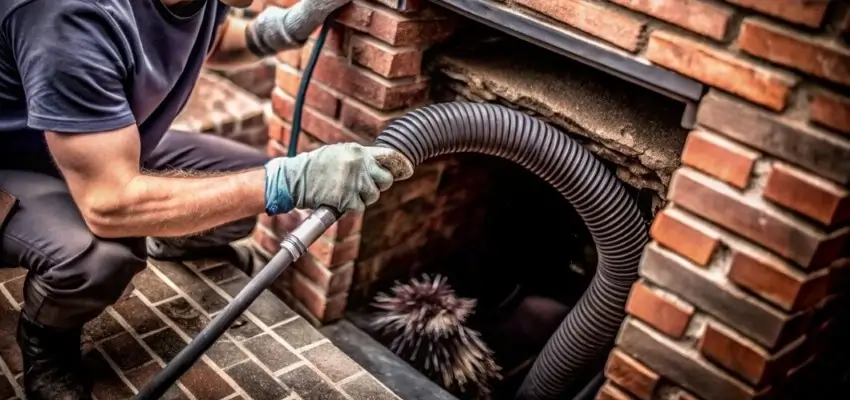
Less smoky smell, steadier flames: Chimney Cleaning around New Westminster
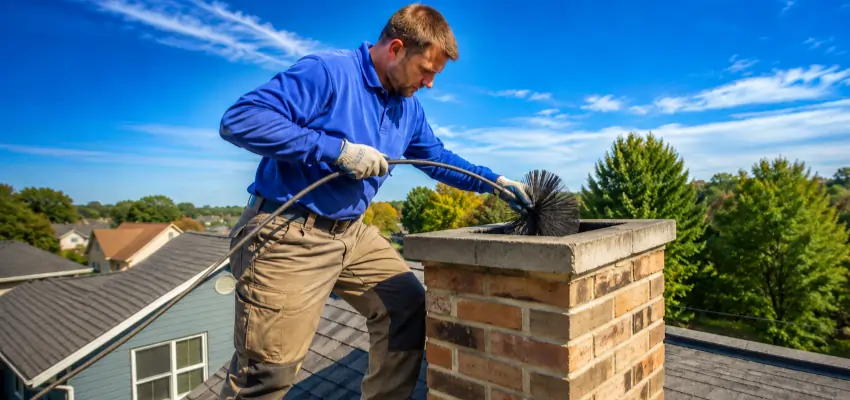
Your New Westminster fireplace, swept and checked: Chimney Sweep
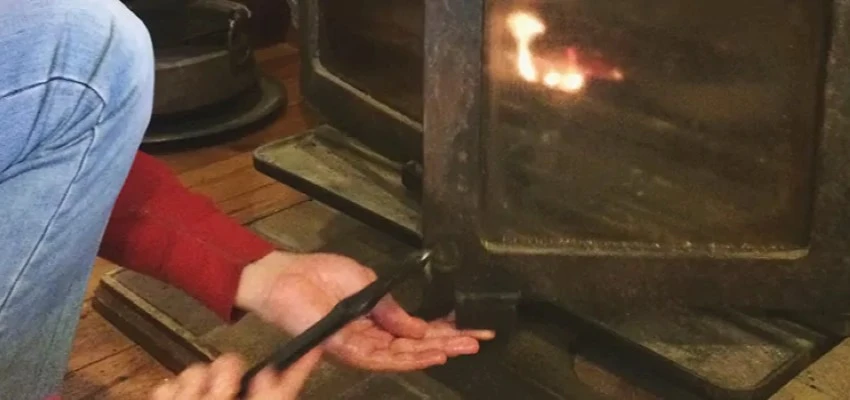
Swept and checked: Chimney Sweep Services in New Westminster
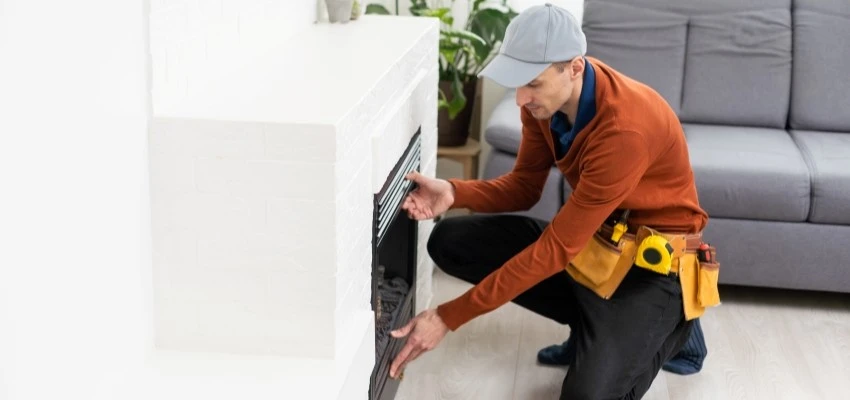
Wood units, stoves and inserts: Fireplace Experts serving New Westminster
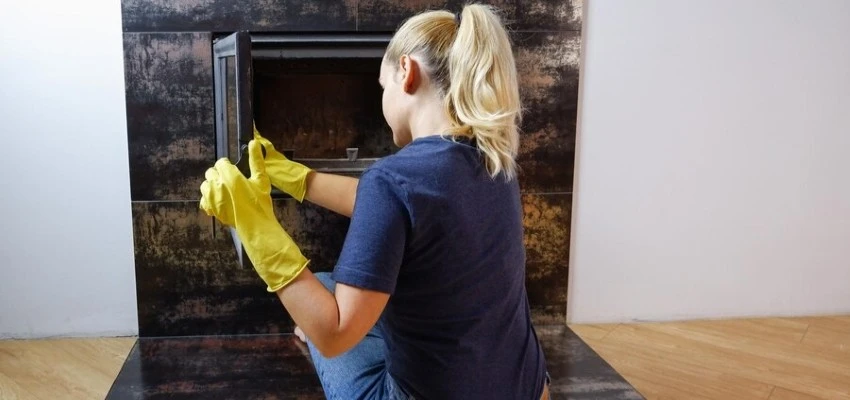
Fireplace smell at startup? Gas Fireplace Cleaning in New Westminster
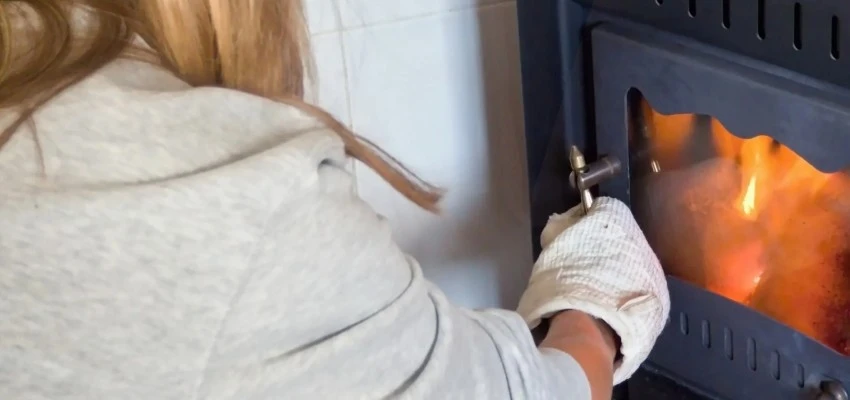
Slow to light? Gas Fireplace Maintenance near New Westminster

