
Booking is simple. Send your name, number and a short message, and someone will get back to you about Chimney Flashing New Westminster
Think of this page as a reference you can come back to. It collects common questions about flashing repair from homeowners around New Westminster and answers each one directly, with the reasoning behind it. Whether you landed here after typing “chimney flashing” or someone who recently had their chimney fixed sent you the link, you should leave with a clearer idea of what needs doing, what can wait and what to ask before any work begins.

They are two layers of the same seal. Step flashing is made of short, L-shaped pieces of metal tucked under each course of shingles along the sides of the chimney, so every piece overlaps the one below like the shingles themselves. Counter flashing is fastened into the mortar joints of the chimney and folds down over the step flashing, covering its top edge. Together they let the roof and the chimney move independently without opening a gap. If one layer is missing, water finds its way in. Asking about both is a good test of any company you contact about “chimney flashing”.
Chimney repair is important because a chimney has two jobs that both depend on it being sound: carrying smoke and combustion gases out of the house, and keeping rain and snow out of the structure. A cracked crown, a loose cap or a failing seal lets water into the masonry, the roof framing and the walls around the fireplace, and that kind of damage spreads quietly. A fault inside the flue can let heat or gases reach places they should not. A fireplace that still lights is no proof that everything is fine, so it pays to fix small problems while they are still small and inexpensive.
Bad chimney flashing usually shows up as water stains on the ceiling or walls next to the chimney, damp attic framing or wet insulation around the chimney’s base. Flashing is the metal that seals the joint between the roof and the chimney, and it fails when sealant dries out, fasteners back out, metal rusts or roofing work disturbs it. From the ground, look for metal that has pulled away from the brick, gaps smeared with a thick bead of tar or caulk and missing or lifted shingles around the chimney. Leaks often appear first during heavy, wind-driven rain.
Chimney flashing is repaired by resealing it when the metal is still sound or by replacing it when it is rusted, bent or installed incorrectly. Resealing means cleaning out failed caulk and applying a new flexible sealant where the counter-flashing meets the brick. Replacement involves lifting the surrounding shingles, fitting new step flashing piece by piece, cutting a groove into a mortar joint for new counter-flashing and sealing it in. Wide chimneys may also get a cricket, a small peaked diverter on the uphill side that steers water around. Sealant alone is a short-term fix when the metal underneath has failed.
Small chimney repairs, such as replacing a cap, sealing a crown or freeing a damper, often take a few hours. Mid-sized jobs like new flashing, a new chase cover or a fan installation usually fit into a day. Larger masonry work, including repointing an entire stack or rebuilding the section above the roof, can take several days, because mortar and concrete need time to set between stages. Weather adds to the schedule for anything done outside, since rain and cold delay masonry. Ask for an estimate of both working time and total calendar time before the job is booked.

In most cases, yes. Reusing old flashing under new shingles saves a little time but often shortens the life of the job, because aged metal and sealant may fail long before the new roof does. Replacing it during a reroof is simpler, since the shingles around the chimney are already off. Agree in advance who will do it, the roofer or a chimney company, and how the counter flashing will be set into the mortar joints. People who see “chimney flashing” mentioned in a roofing quote should ask whether it means new metal or simply fresh sealant over the old pieces.
The repairs we make hold up longest when the rest of the chimney system is looked after too. That means a cap that stays in place with clear mesh, a crown kept free of leaves and moss, flashing left alone by anyone doing roof work and regular sweeping if you burn wood, because creosote and moisture attack the inside of the flue. We tell homeowners exactly how long to wait before the first fire after masonry work. After that, a glance at the chimney from the yard after big storms and a professional look once a year usually keeps surprises to a minimum.
Most chimney repairs are not do-it-yourself jobs, mainly because they involve working at height on a roof or inside the flue, where mistakes affect safety. What homeowners can do safely is watch and report: look at the chimney from the ground with binoculars, check the attic and walls near the chimney for stains after rain, keep the hearth area clear and open and close the damper now and then to make sure it moves freely. Leave masonry, flashing, caps, liners, fans and anything connected to a gas appliance to a professional. Patching with roofing tar usually hides a problem rather than fixing it.
Choose a chimney repair company that inspects before it quotes, explains the cause of the problem and shows you evidence such as photos. A good company will tell you what it plans to fix, what materials it will use and what the work will not cover. Ask whether its own crew does the work, how it protects your home and roof and how it handles hidden damage found mid-job. Read recent reviews for comments about communication and clean-up. Be cautious about anyone who wants a large rebuild without showing why, or who only offers to coat everything with sealant.

We work in the neighborhoods around New Westminster every week, so we know the housing styles and the problems they tend to have. That local experience shapes every visit. Schedule flashing repair with Chimney Sweep New Westminster at a time that suits you.
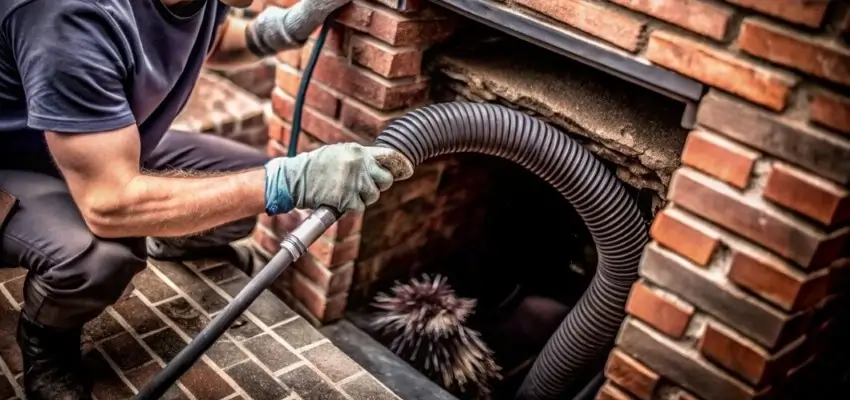
Less smoky smell, steadier flames: Chimney Cleaning around New Westminster
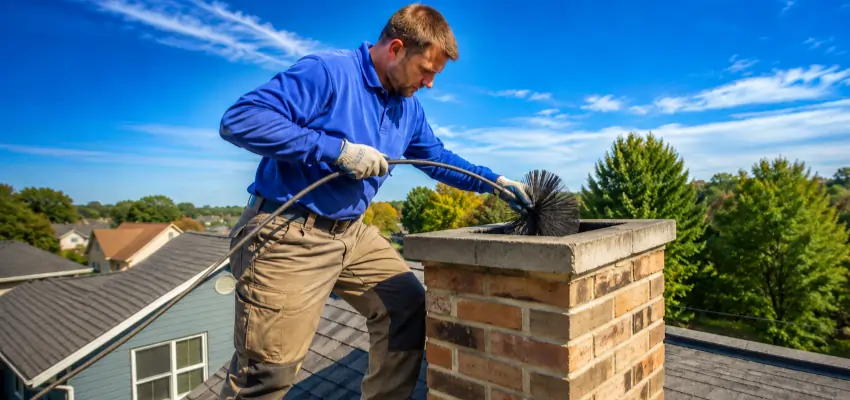
Your New Westminster fireplace, swept and checked: Chimney Sweep
Swept and checked: Chimney Sweep Services in New Westminster
Wood units, stoves and inserts: Fireplace Experts serving New Westminster
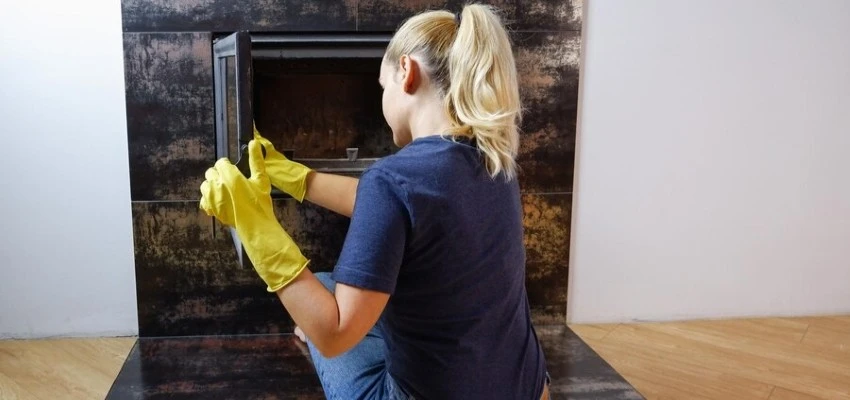
Fireplace smell at startup? Gas Fireplace Cleaning in New Westminster
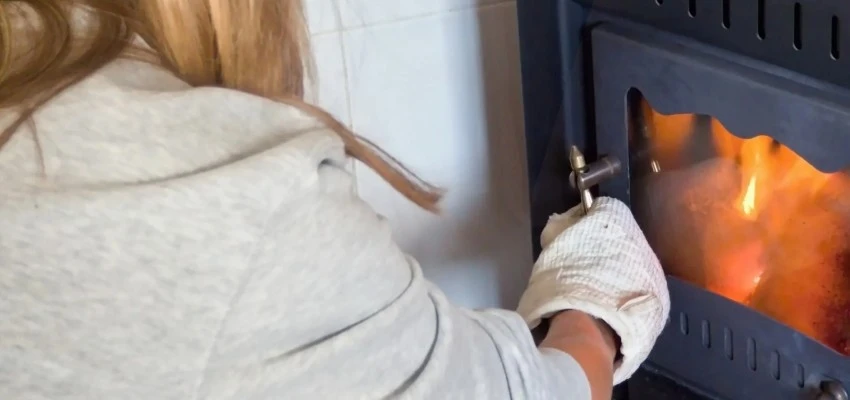
Slow to light? Gas Fireplace Maintenance near New Westminster

