
Booking is simple. Send your name, number and a short message, and someone will get back to you about Chimney Flashing Services New Westminster
It is easy to think of a chimney as a fireplace accessory, but it is also part of the roof, the walls and the frame of the house. When one piece fails, water and heat can reach places they were never meant to go. For homeowners in New Westminster who typed “chimney flashing services” into a search bar, the answers on this page explain chimney flashing repair in everyday language, from the first warning signs to what happens once the work is done.

Yes, and that is why a careful diagnosis matters. Water stains beside a chimney can come from a cracked crown, a missing cap, porous brick, damaged shingles or roof vents nearby, ice dams in cold weather or even condensation in the attic. Flashing is a common culprit, but replacing it will not stop a leak that starts elsewhere. A technician can test areas one at a time and look at the attic side for the wettest spot. Anyone looking into “chimney flashing services” should ask how the company confirmed the flashing is the source before agreeing to replace it.
The most common signs show up as water, debris or poor performance. Watch for:
Outside, look for white staining on the bricks, gaps in mortar joints and a cap or flashing that looks loose. Any one of these is worth a closer look by someone who can reach the chimney safely.
Your chimney is most likely leaking at the crown, the flashing, the cap or through porous brick, though the stain rarely appears where the water gets in. Rain that slips past a cracked crown may travel down inside the masonry and show up at the firebox. Flashing leaks tend to stain the ceiling or the attic framing next to the chimney. An uncapped flue lets rain fall straight onto the damper, where it causes rust and a damp smell. Porous brick can wick moisture through the whole stack during long storms. We often test one area at a time with a hose, starting low and working up, so the repair targets the real entry point rather than a guess.
Resealing suits a joint that is sound but tired; replacement is right when the flashing has rusted, was nailed straight into the brick face or depends entirely on a thick smear of roofing tar. A proper replacement starts by removing the old metal and lifting shingles on all sides. New step flashing goes in course by course with the shingles, counter-flashing is let into a cut mortar joint and bent down over it, and the uphill side gets a cricket on wider chimneys so water cannot pool there. Matching the roofing material and color keeps the repair from standing out.
A cricket, also called a saddle, is a small peaked structure built on the uphill side of a chimney so rain and snow split and flow around it instead of piling up against the brick. It is framed, sheathed and covered with metal or roofing, then tied into the flashing. Wide chimneys and chimneys on low-slope roofs benefit most, because water and debris collect behind them. Signs that one is missing include leaves packed behind the chimney and leaks that appear on the uphill side. If you are comparing quotes for “chimney flashing services”, ask whether a cricket is included or recommended.

When booking chimney repair, describe what you have noticed and where, because those details shape the visit. Mention whether the chimney is brick, stone or a factory-built system in a framed chase, what it serves, such as a wood fireplace, gas fireplace, stove or furnace, and roughly how tall the house is. Say when the problem started, whether it gets worse with rain or wind and whether anything has been repaired before. Pictures of the chimney from the ground and of any stains or damage inside help the company bring the right parts and give a realistic time estimate.
After a repair, the main job is to watch for changes and keep water and debris away from the chimney. Follow any instructions about when the fireplace can be used again, since new mortar or crown material may need time to cure. In the first few rains, check the ceiling and walls near the chimney for stains and look in the firebox for water or debris. Keep tree branches trimmed back from the chimney top and the gutters near it clear. Book a yearly inspection so small wear is caught early, and file the paperwork from the repair for future reference.
Compare the scope first, because most differences we see between quotes come from what is included, not from skill. One company may plan to coat a cracked crown; another may rebuild it. One includes new flashing; another reseals the old metal. Before choosing, line the quotes up and ask each company the same three questions: what exactly is being fixed, what is causing the problem and what is the plan if more damage turns up. The answers usually explain the price gap. A quote that deals with the cause, not just the symptom, generally gives more value over time, even when it is not the lowest figure on the table.
Local crews know the chimneys in the area, and that knowledge saves time and guesswork. Working the same streets season after season, we learn which subdivisions have tall chimneys on steep roofs, which builders used flat chase covers that rust and which older districts still have original clay liners. That history makes the first diagnosis faster and quotes more accurate. Being close by also means we can come back to check a repair after heavy rain without it becoming a major trip. When you call Chimney Sweep New Westminster, you reach people who work on chimneys around New Westminster every week.

Every home is a little different, so your situation may raise a question that is not on this page. Call us at (778) 488-0837 and describe what you have noticed. We can talk through the options for your chimney and set up a visit anywhere around New Westminster if it makes sense.
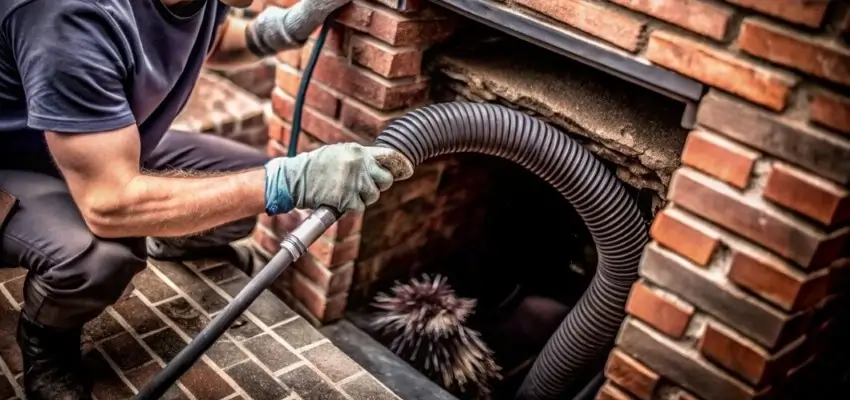
Less smoky smell, steadier flames: Chimney Cleaning around New Westminster
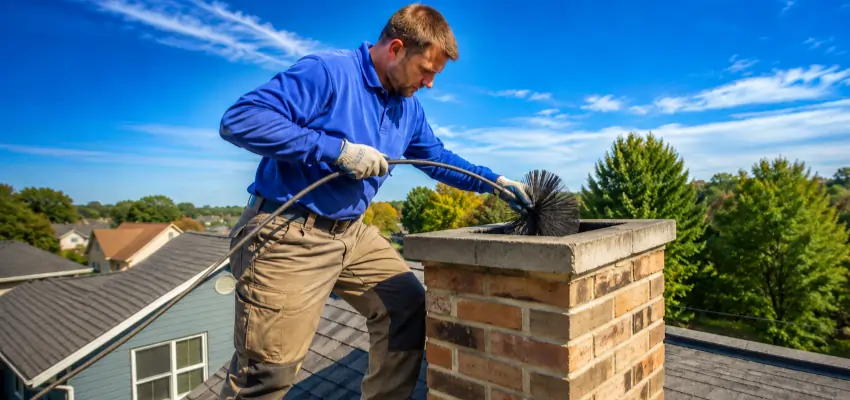
Your New Westminster fireplace, swept and checked: Chimney Sweep
Swept and checked: Chimney Sweep Services in New Westminster
Wood units, stoves and inserts: Fireplace Experts serving New Westminster
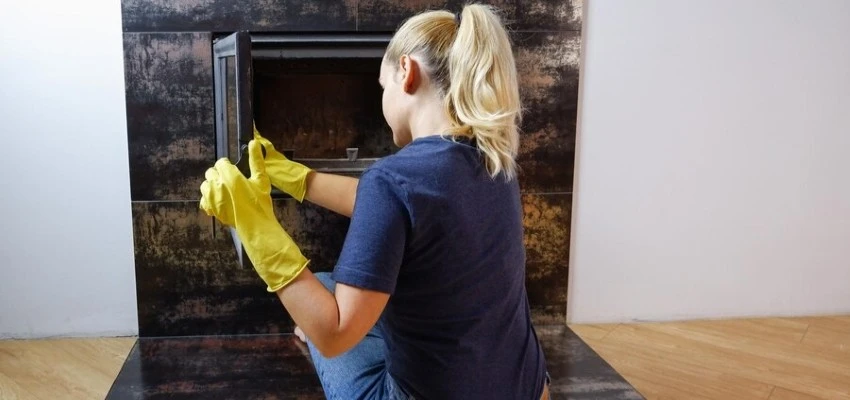
Fireplace smell at startup? Gas Fireplace Cleaning in New Westminster
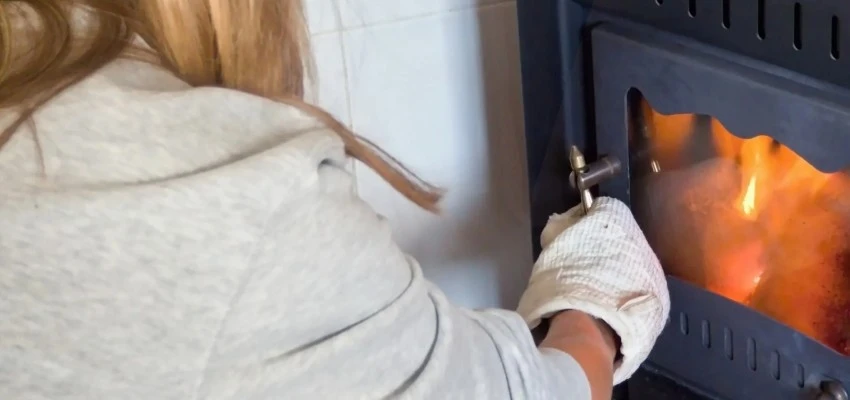
Slow to light? Gas Fireplace Maintenance near New Westminster

