
Booking is simple. Send your name, number and a short message, and someone will get back to you about Chimney Damper Services New Westminster
Buying a home, getting ready to sell or simply planning the year’s upkeep can all bring the chimney into focus. An inspection report might mention it, or a neighbor might point out something odd on the roof. People in New Westminster who search for “chimney damper services” at moments like these want straight facts, and that is what this page offers: a calm, practical look at chimney damper repair, what it involves and how to plan for it sensibly.

Most homes have one of two damper types. A throat damper is a cast iron or steel plate just above the firebox, opened and closed with a handle, lever or rotating knob. A top-sealing damper sits at the top of the flue and is worked by a cable that runs down into the fireplace; it closes against a gasket, which seals tightly and also keeps rain and animals out when shut. Either way, the damper should be fully open whenever a fire is burning and closed when the fireplace is not in use, so heated or cooled indoor air is not drawn up the chimney.
Chimney repair is important because a chimney has two jobs that both depend on it being sound: carrying smoke and combustion gases out of the house, and keeping rain and snow out of the structure. A cracked crown, a loose cap or a failing seal lets water into the masonry, the roof framing and the walls around the fireplace, and that kind of damage spreads quietly. A fault inside the flue can let heat or gases reach places they should not. A fireplace that still lights is no proof that everything is fine, so it pays to fix small problems while they are still small and inexpensive.
It depends on the part being repaired. Caps, crowns, flashing, upper masonry, chase covers, chimney fans and top-sealing dampers are reached from the roof or from ladders set against the chimney. Throat dampers, fireboxes, ash dumps, cleanout doors and many vent connections are handled from inside the house or at ground level. Roof work is planned around the weather, the pitch of the roof and safe ladder placement. Homeowners should not climb up to inspect or repair a chimney themselves; binoculars from the yard or the technician’s photos will tell you what you need to know.
Yes, top-sealing dampers are commonly retrofitted on masonry chimneys. The unit mounts on top of the flue tile, often with a cap built in, and a stainless cable runs down to a handle fastened inside the firebox. The old throat damper is usually left open or removed if it is broken. The flue tile must be in good condition and the right size for the damper to seal well. Fireplaces with gas logs need special care, since the damper may have to stay partly open by design. When you compare quotes for “chimney damper services”, ask how the cable will be routed and secured.
Labor, access and materials drive the price, roughly in that order. Labor depends on the size of the repair and whether it can be finished in one visit or needs curing time between stages. Access covers roof height, pitch and anything that makes ladder setup awkward, such as a deck or steep slope below the chimney. Materials range from a tube of sealant to a custom stainless chase cover or a full liner kit. We also leave room in the conversation for surprises, because opening a chimney sometimes reveals more. Our quotes list each part of the work separately, so you can see where the money goes.

Closed, once the fire is completely out and the ashes are cold. A shut damper keeps heated or cooled indoor air from escaping up the chimney and stops drafts and odors from coming down. Never close it while embers are still glowing, because smoke and carbon monoxide need a way out. The main exception is a fireplace with vented gas logs, where the damper is often fixed partly open on purpose and should be left that way. If your damper will not close fully or open reliably, booking chimney damper repair is the sensible next step before the next cold evening.
Compare the scope first, because most differences we see between quotes come from what is included, not from skill. One company may plan to coat a cracked crown; another may rebuild it. One includes new flashing; another reseals the old metal. Before choosing, line the quotes up and ask each company the same three questions: what exactly is being fixed, what is causing the problem and what is the plan if more damage turns up. The answers usually explain the price gap. A quote that deals with the cause, not just the symptom, generally gives more value over time, even when it is not the lowest figure on the table.
A few direct questions reveal a lot about a chimney repair contractor:
Clear, specific answers are a good sign. If the replies stay vague or the price changes without explanation, it is reasonable to get another opinion before agreeing to the work.
Pick the company that gives you specifics. One that knows chimneys asks what yours is made of and what burns in it before giving a figure, and it talks about the cause of a problem rather than just the symptom. On site, it should take photos from the roof and inside the flue, lay out the options and let you decide without pressure. Tidy work matters, since soot and mortar dust travel. Ask how follow-up questions are handled once the job is done, and whether the same crew will come back if something needs a second look.

Once you know the work is due, the next step is simple. Tell us a little about your chimney and the days that suit you, and we will suggest a time that works. Request a quote and the Chimney Sweep New Westminster team will follow up with details.
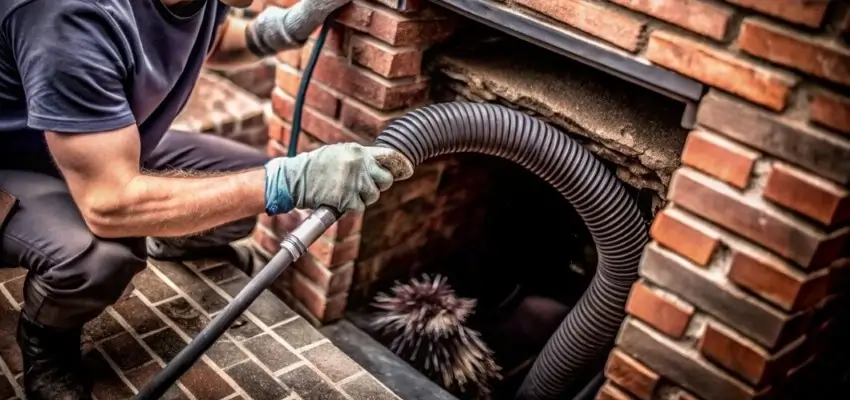
Less smoky smell, steadier flames: Chimney Cleaning around New Westminster
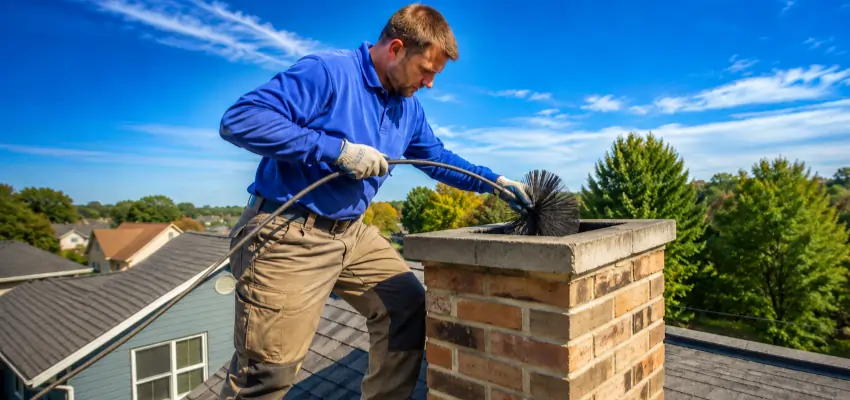
Your New Westminster fireplace, swept and checked: Chimney Sweep
Swept and checked: Chimney Sweep Services in New Westminster
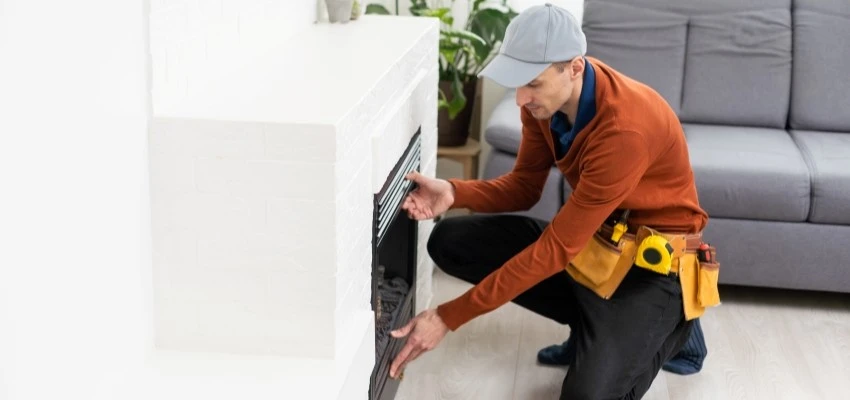
Wood units, stoves and inserts: Fireplace Experts serving New Westminster
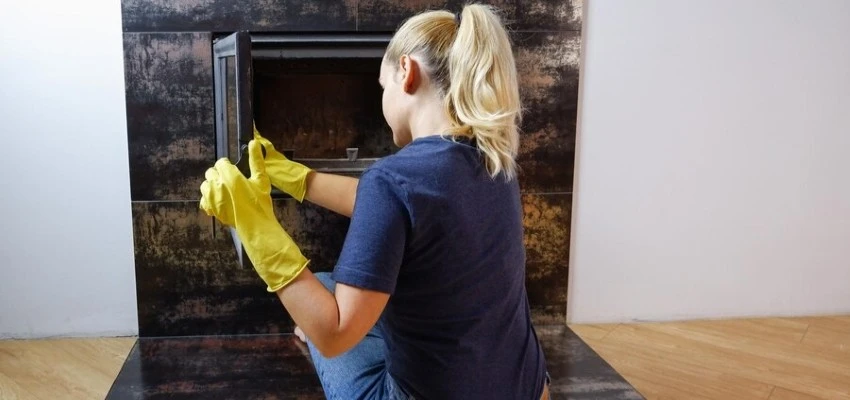
Fireplace smell at startup? Gas Fireplace Cleaning in New Westminster
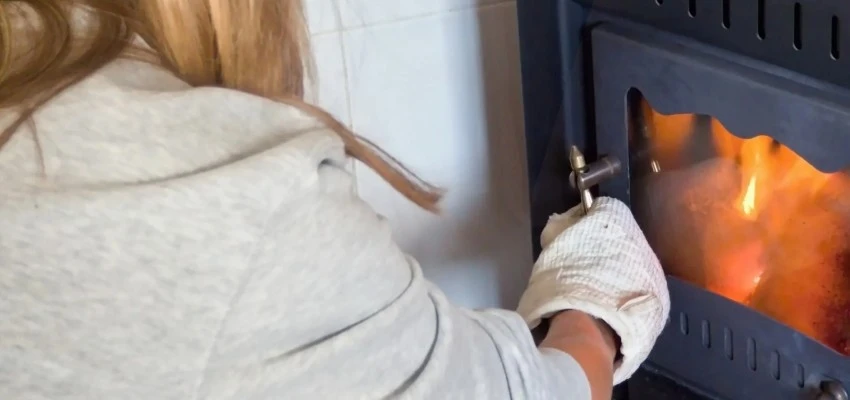
Slow to light? Gas Fireplace Maintenance near New Westminster

